From Digital Camera World · · 3m
Canon's retro camera isn't retro. I love it anyway.
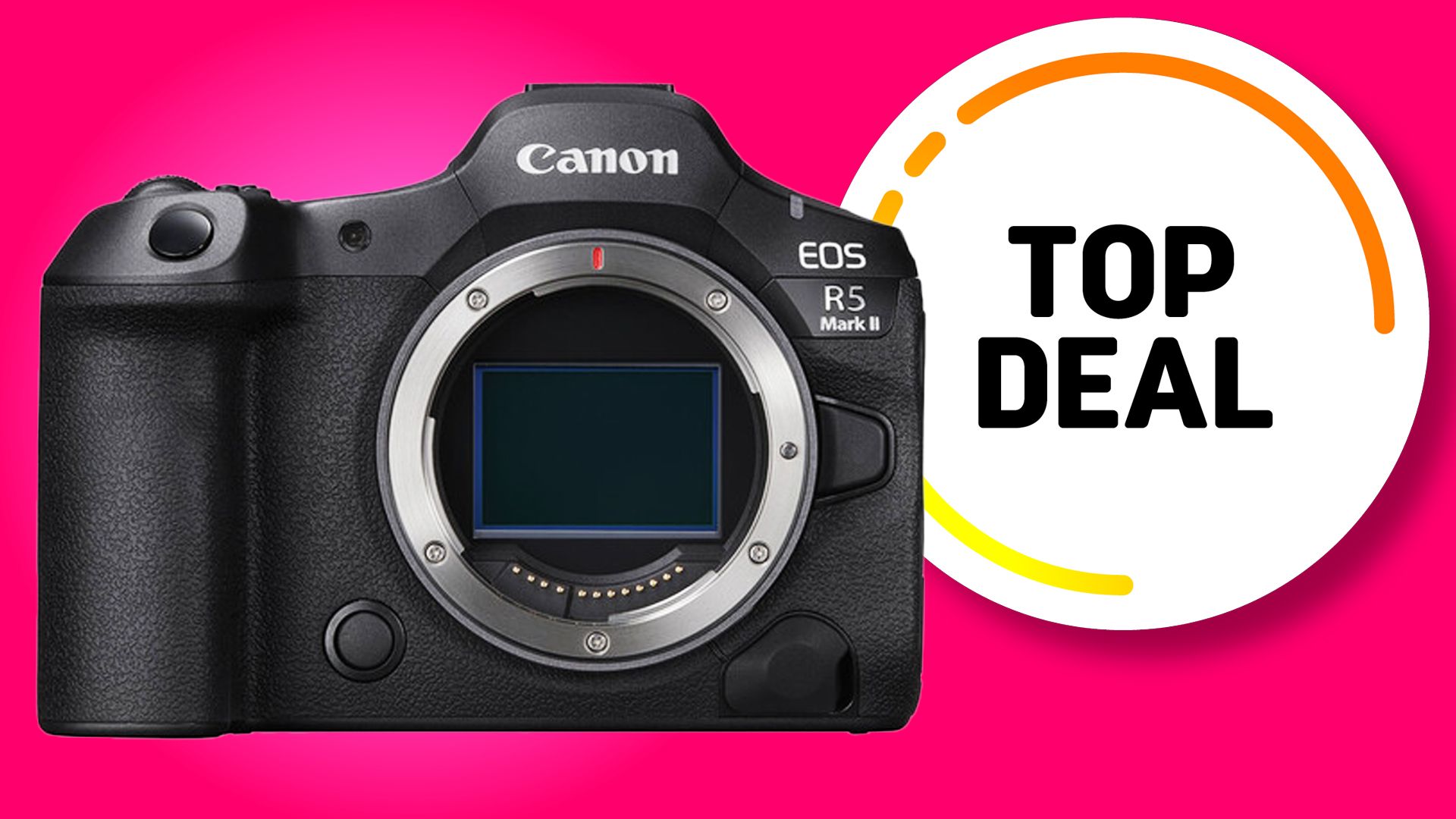
The Canon EOS R8 Mark II takes design cues from a 1985 consumer camera, not the classic SLR look most expect from retro gear.
In brief
The Canon EOS R8 Mark II takes design cues from a 1985 consumer camera, not the classic SLR look most expect from retro gear. The R8 Mark II's subtle retro design and excellent ergonomics make it a practical entry-level full-frame camera, even if it doesn't look like other retro cameras. Originally reported by Digital…
Quick answers
- Why no retro dials?
- The T80 lacked manual exposure mode, so it had a flat top without dials. The R8 Mark II keeps standard dials to avoid intimidating newer photographers.
- What is the key takeaway from Canon's retro camera isn't retro. I love it anyway.?
- The R8 Mark II's subtle retro design and excellent ergonomics make it a practical entry-level full-frame camera, even if it doesn't look like other retro cameras.
Canon's retro camera arrives
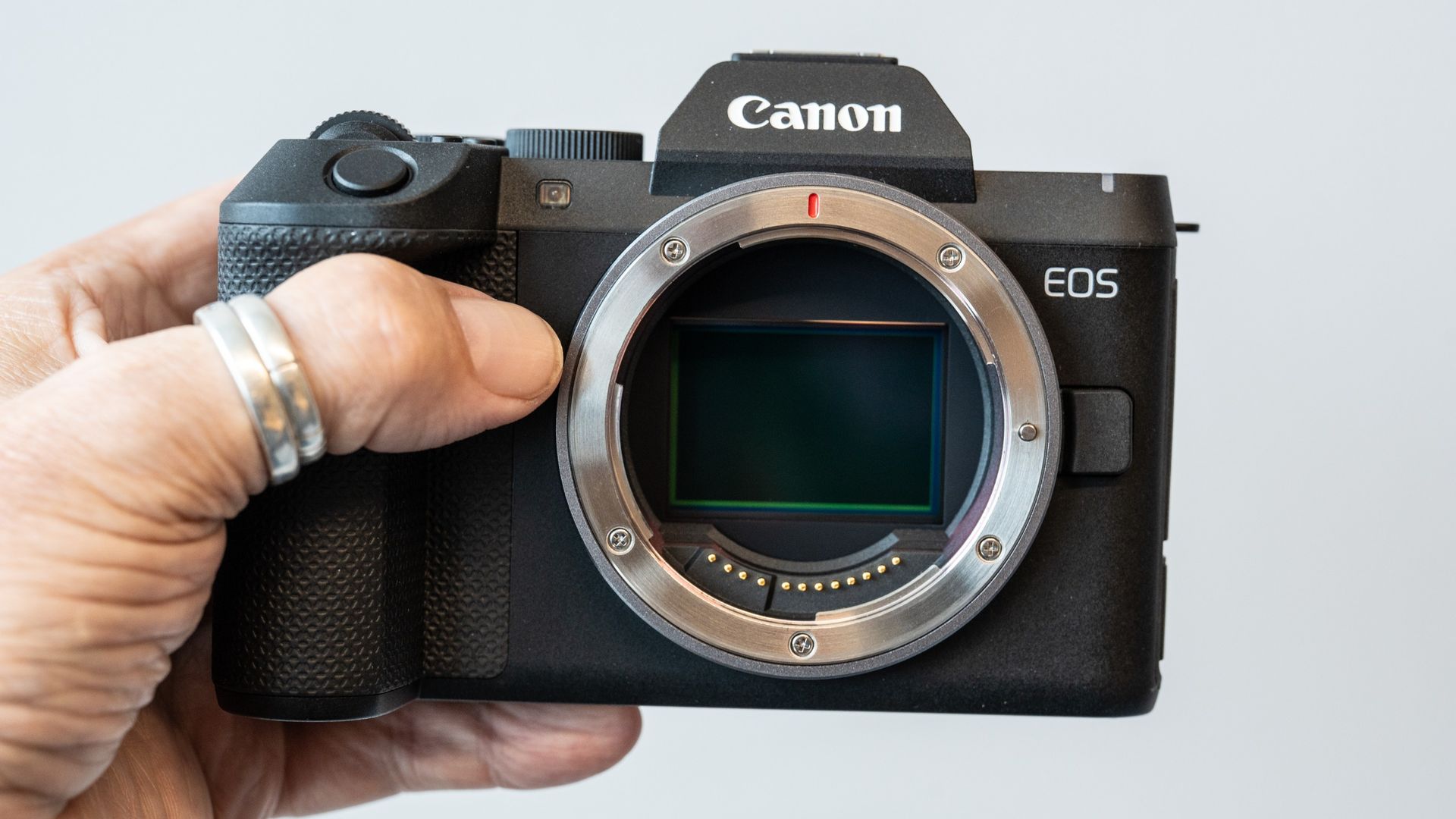
Canon finally released its first retro mirrorless, the EOS R8 Mark II, but the internet had mixed reactions to its design.
Fans wanted the AE-1 look
Many hoped Canon would draw from the popular AE-1, while others thought the sharp lines made it look more like a Sony.
It doesn't feel retro at all
The R8 Mark II doesn't match the silver-and-black vintage aesthetic most retro cameras aim for, with its flatter top and modern lines.
Canon drew from the T80
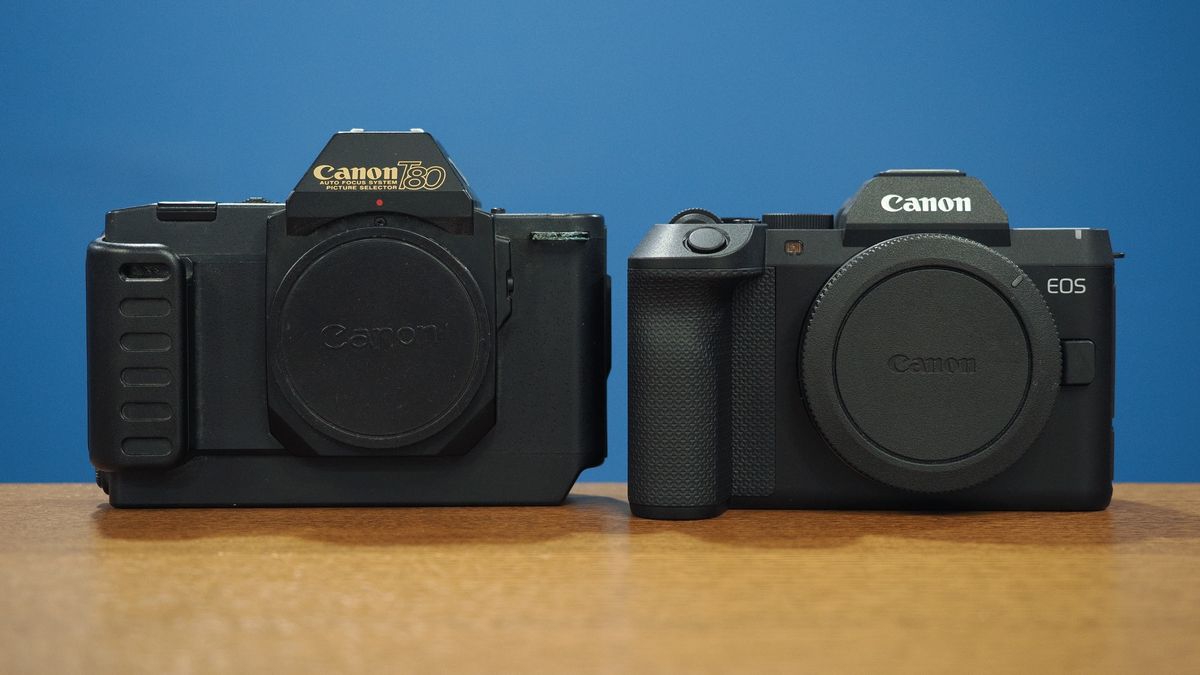
The R8 Mark II takes inspiration from the 1985 Canon T80, a consumer camera without full manual controls, not a professional SLR.
Why no retro dials?
The T80 lacked manual exposure mode, so it had a flat top without dials. The R8 Mark II keeps standard dials to avoid intimidating newer photographers.
Entry-level for smartphone users
About 20 percent of original R8 buyers were upgrading from smartphones, so Canon designed the Mark II as a camera newer photographers can grow into.
The retro touches are subtle
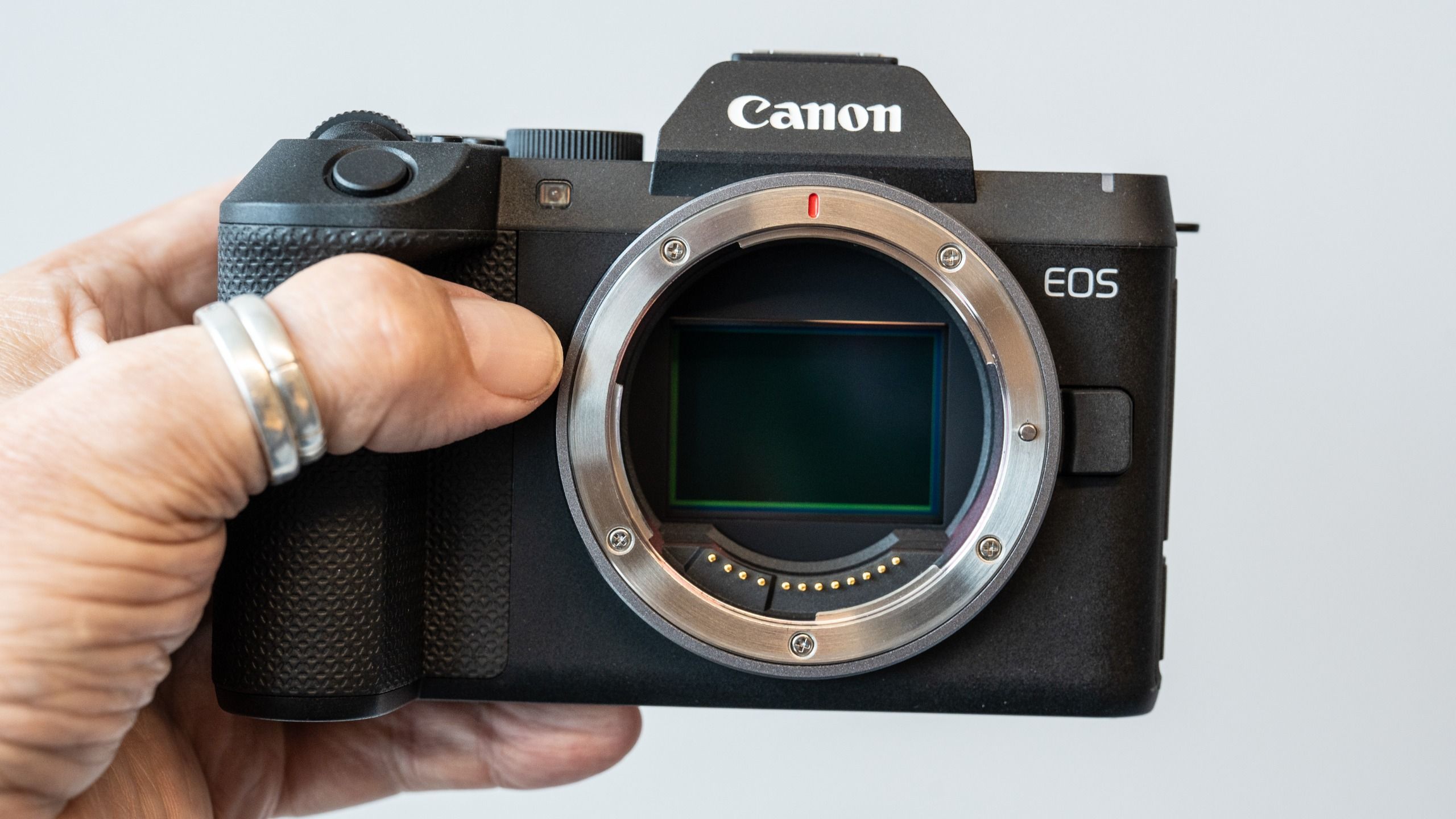
The viewfinder has sharp angles like the T80, and the top features sharp lines instead of Canon's usual curves, but the inspiration is understated.
It looks different from other retros
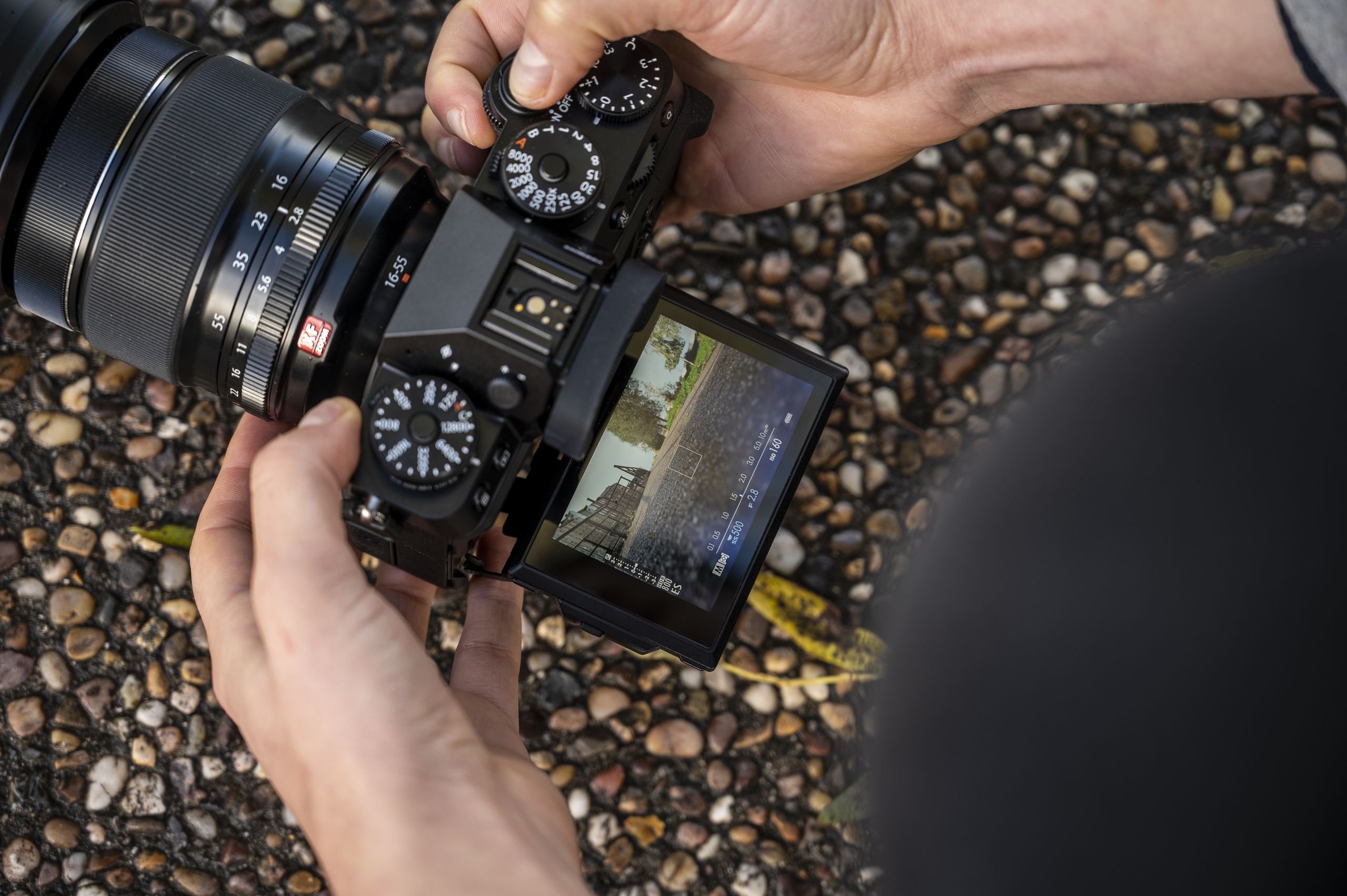
The R8 Mark II doesn't resemble the Nikon Zf or Fujifilm X-T5 because Canon drew from a different era of camera design.
Canon's curves are gone
The R8 series usually features smooth, curved lines and chunky grips. The Mark II's sharp angles are a departure from Canon's typical design language.
The grip is actually excellent
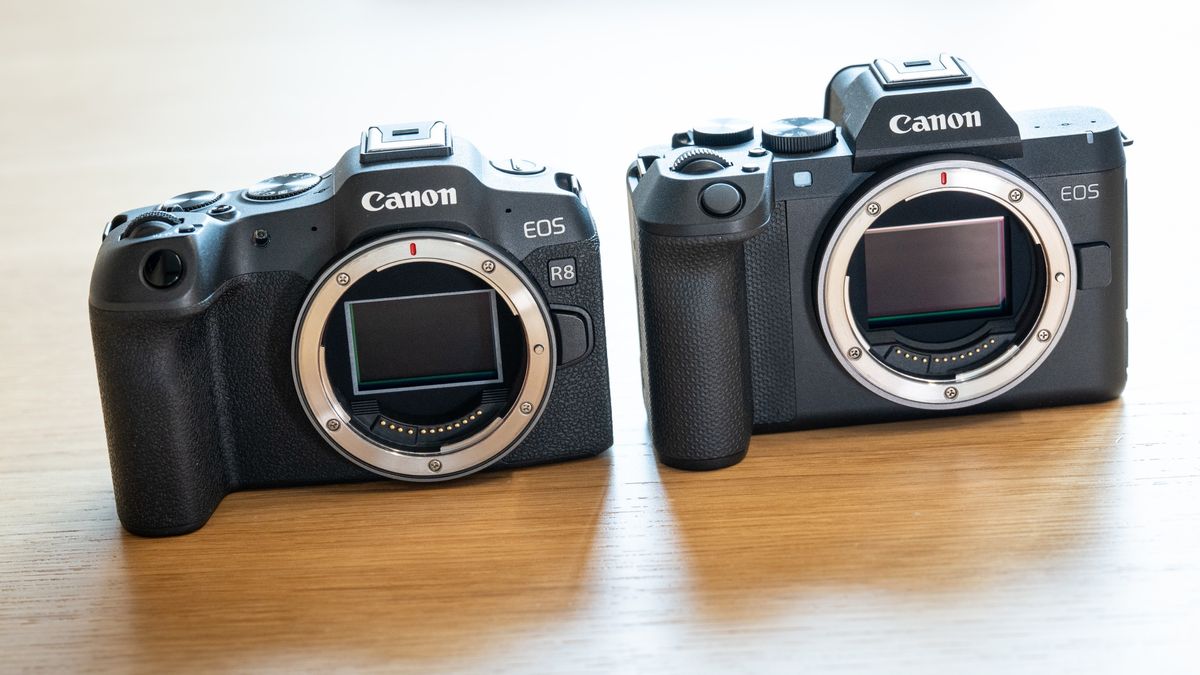
Unlike many retro cameras with tiny grips, the R8 Mark II keeps a substantial grip that feels comfortable and very much like a Canon.
“I hate that "retro" usually translates to "tiny grip."”
The joystick makes a difference
The R8 Mark II adds an autofocus joystick that was missing from the original, making the camera easy to control with one hand.
Same sensor, new ergonomics
The R8 Mark II keeps the same sensor and processor as the original but adds in-body stabilization, better burst buffer, and improved autofocus.
The verdict: retro-ish, not retro
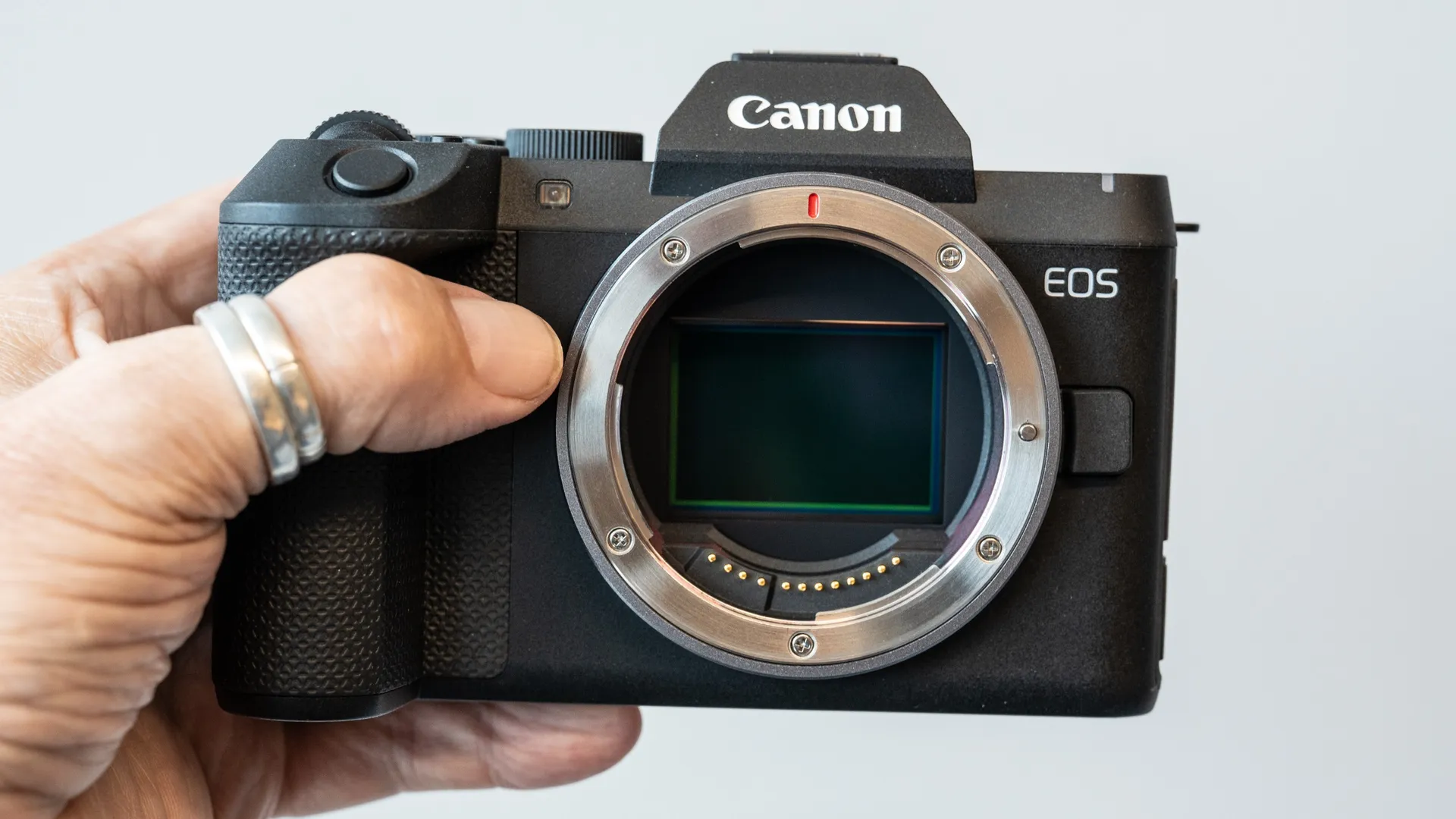
The R8 Mark II is more subtle in its retro design than competitors, but the ergonomics and grip make it a significant upgrade worth considering.
“I'd call the R8 Mark II more "retro-ish" than "retro."”
The short version
The R8 Mark II's subtle retro design and excellent ergonomics make it a practical entry-level full-frame camera, even if it doesn't look like other retro cameras.