From Digital Camera World · · 1m 10s
First-ever sea turtle nest found on US West Coast
California beach sees first documented olive ridley turtle nesting on US West Coast, with photos showing multiple nests.
In brief
California beach sees first documented olive ridley turtle nesting on US West Coast, with photos showing multiple nests. Olive ridley turtles are nesting farther north than usual, challenging previous records for West Coast nesting. Originally reported by Digital Camera World.
First documented nest
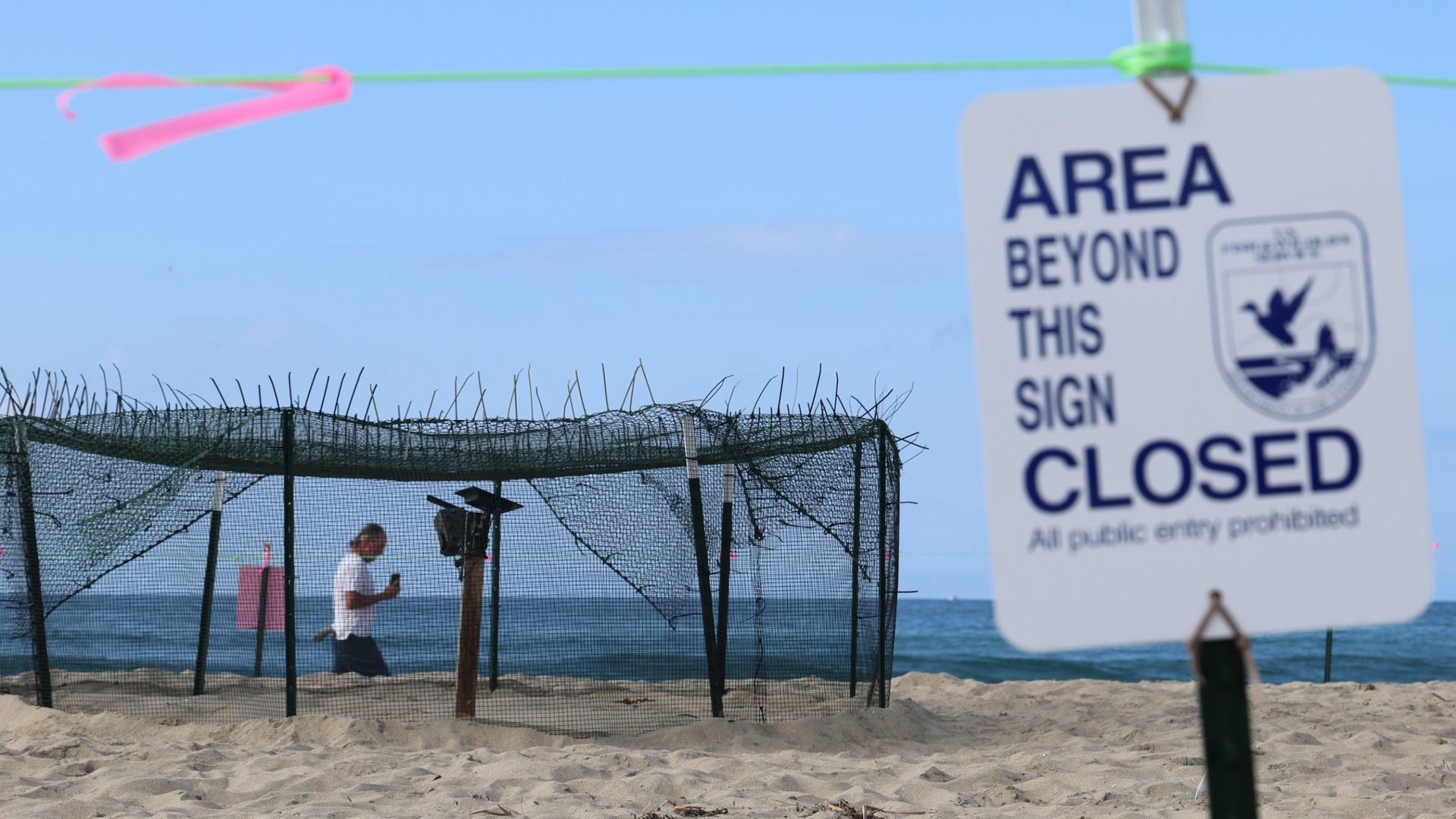
On September 16, 2026, a sea turtle laid eggs near Saal Beach in Orange County, California. NOAA called it the first-ever recorded natural nesting for any sea turtle species on the US West Coast.
“The National Oceanic and Atmospheric Administration called the sighting the first-ever recorded natural nesting for any sea turtle species on the US West Coast.”
Second nest confirmed
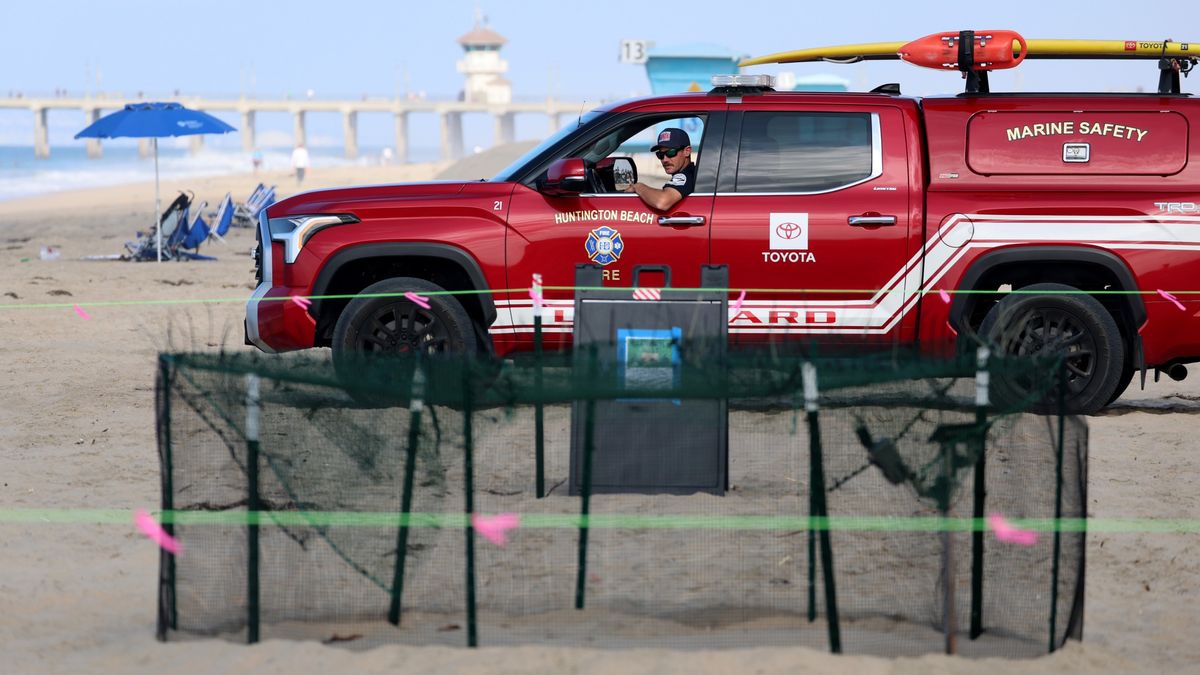
A few days later, another olive ridley turtle built a nest at Huntington Beach Pier, showing the same species can nest multiple times in one season.
“At first, authorities weren't sure if the turtle from both beaches was the same one, as olive ridleys are known to lay multiple nests in one season.”
Turtle identification
Research biologist Dr. Cali Turner Tomaszewicz compared shell patterns to confirm the two nests came from different mothers.
“Research biologist Dr. Cali Turner Tomaszewicz analyzed photos of the two turtles and compared the shape and pattern on the turtles' shells, confirming that the two nests are from two different mothers.”
Northward shift
Olive ridley turtles typically nest in Costa Rica and Mexico, but this sighting marks the farthest north they've been recorded nesting.
“The species is known for coming on shore at the same time, with mass nesting bringing thousands of turtles to the same beach typically in Costa Rica and Mexico.”
El Niño theory
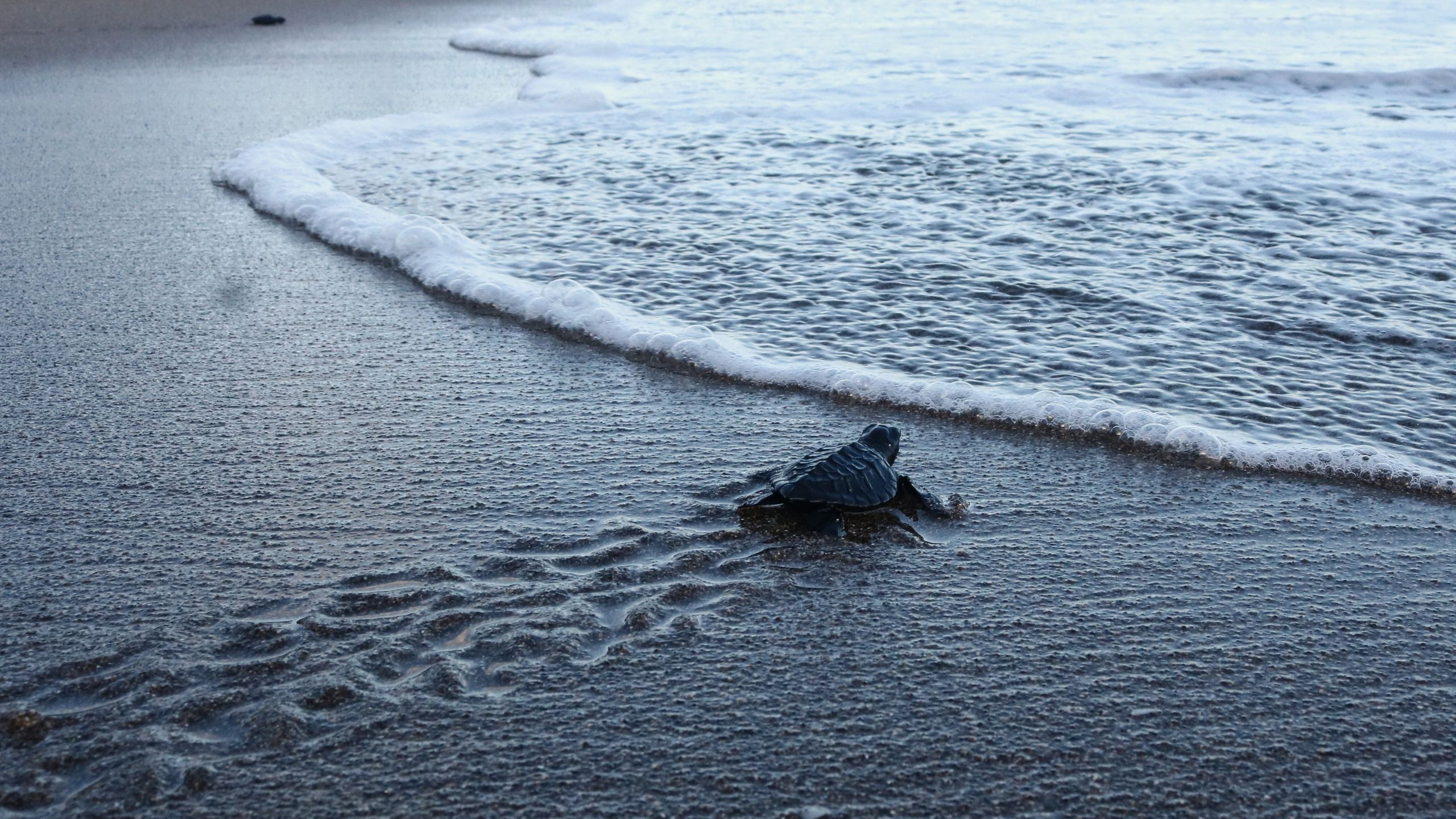
Warmer waters from El Niño may be driving the turtles to nest farther north than usual, though this is unconfirmed.
“One of the theories circulating is that warmer waters triggered by El Niño could be why the turtles have built nests much farther north.”
Public safety
Beaches near the nests are closed to protect eggs, with multiple agencies monitoring the sites to ensure safety.
“The two nesting areas have been closed off to the public to protect the eggs, while multiple government agencies and organizations will monitor the nesting sites.”
The big picture
Olive ridley turtles are nesting farther north than usual, challenging previous records for West Coast nesting.