From Digital Camera World · · 3m
How a 1959 camera failure inspired modern mirrorless design
Yoshihisa Maitani's radical PEN camera was called a failure, but its vision of compact, simple photography lives on 67 years later.
In brief
Yoshihisa Maitani's radical PEN camera was called a failure, but its vision of compact, simple photography lives on 67 years later. Great design principles endure across technology shifts: the original PEN's focus on size, simplicity, and affordability still guides compact camera design today. Originally reported by…
A radical design called failure

Yoshihisa Maitani designed the Olympus PEN in 1959 as a smaller, lighter SLR. He later called it a huge failure because the patents were so protective that no other camera makers could copy it, preventing the boom he'd hoped for.
“Because we took all the patents, no other company could manufacture this type of camera, and there was no boom.”
The half-frame camera that sparked a movement
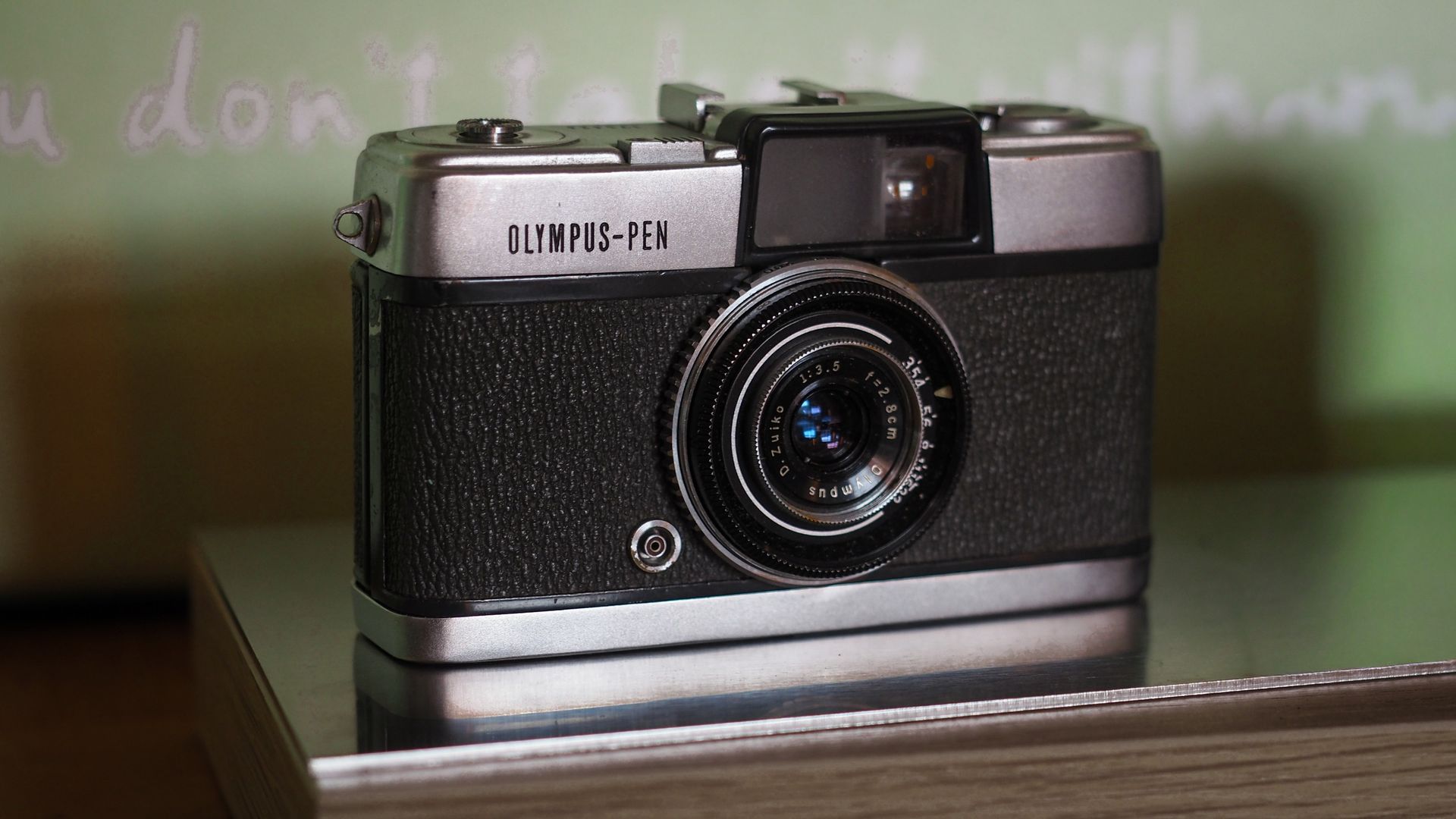
Despite Maitani's disappointment, the first half-frame camera made in Japan became unexpectedly popular and sparked a wider movement for half-frame film photography.
A camera for everyone
Maitani described the PEN as a tool that allows everyone to enjoy photography easily, just like a paper and pen. This philosophy of simplicity and accessibility has remained central to the PEN line through every iteration.
“A tool that allows everyone to enjoy photography easily, just like a paper and pen.”
Size was always the priority
When Maitani started at Olympus in 1956, compact size was his focus. The original PEN was half-frame, similar to how Micro Four Thirds cameras work today, making it easy to carry anywhere.
Solving the mirror box problem
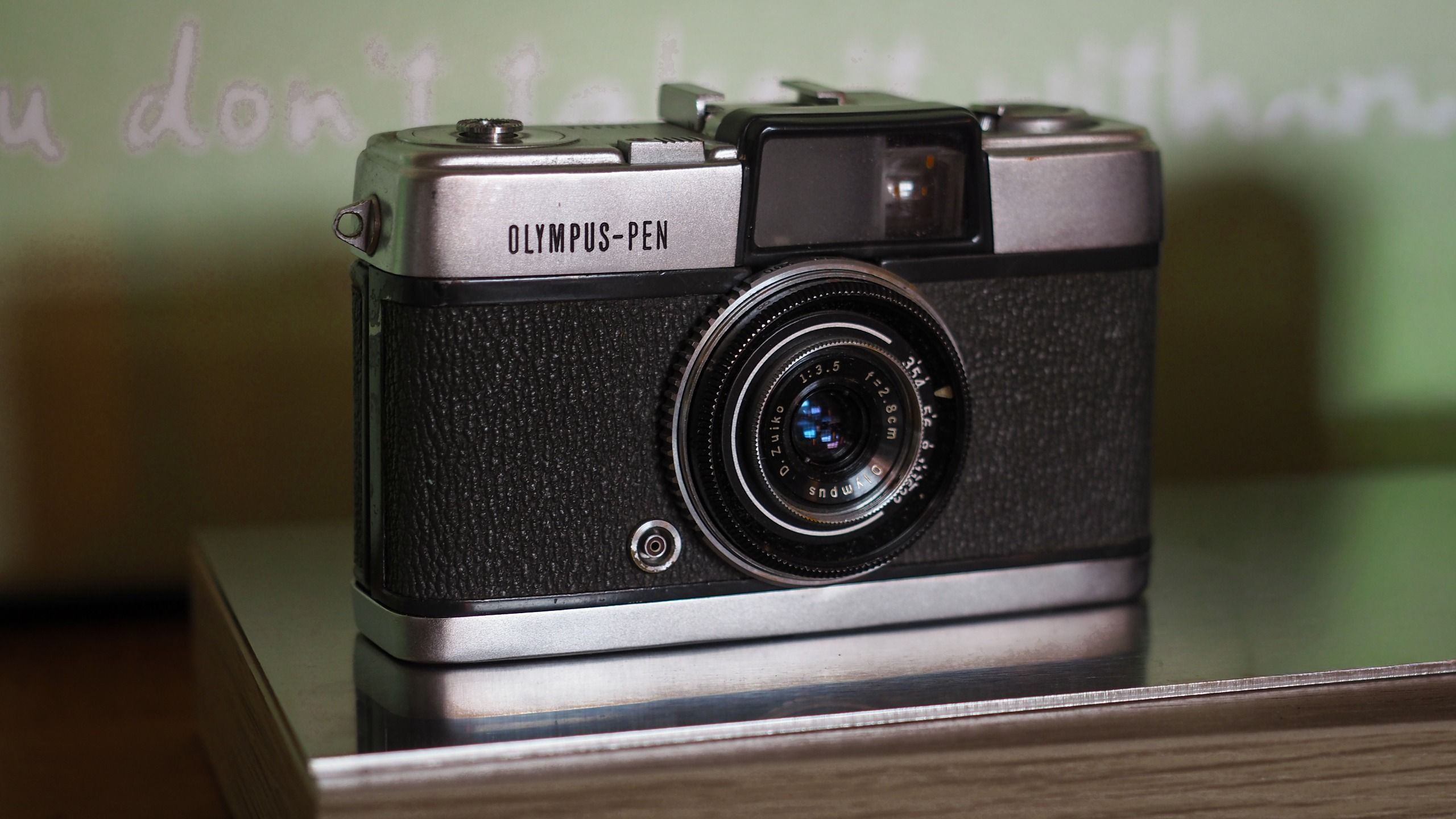
To create a smaller SLR, Maitani had to redesign the mirror box by turning it sideways. This required a new rotary shutter made from titanium, leading to the PEN F in 1963, the first interchangeable lens camera in the series.
A camera meant for the outdoors
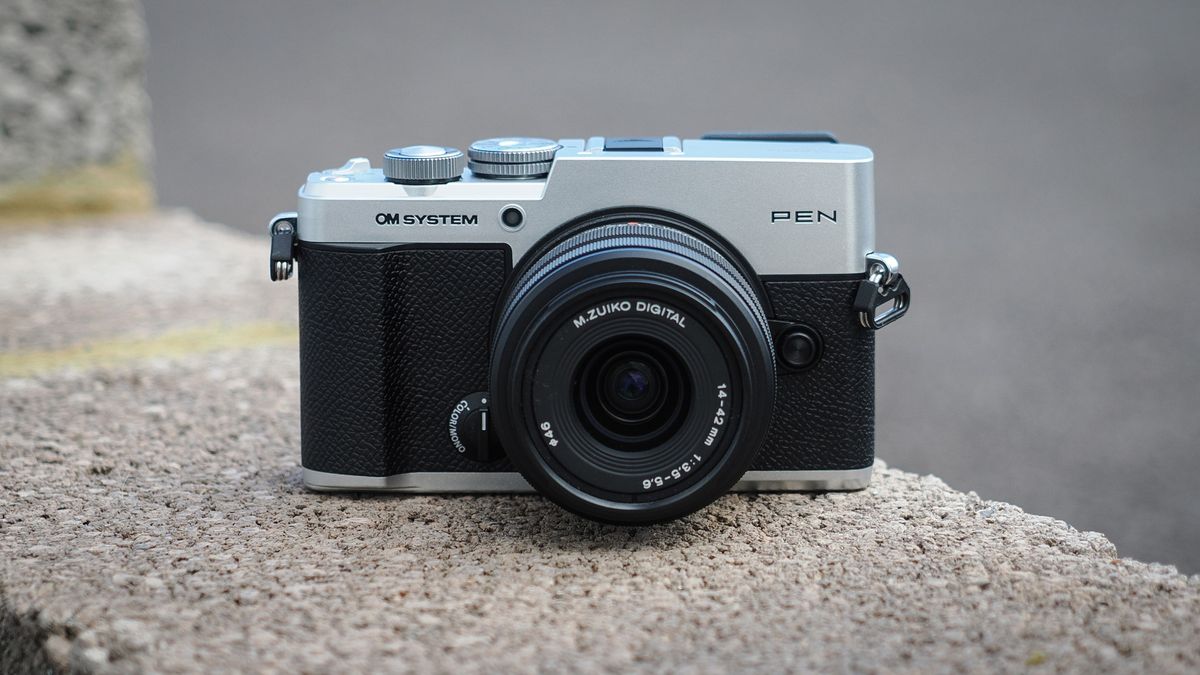
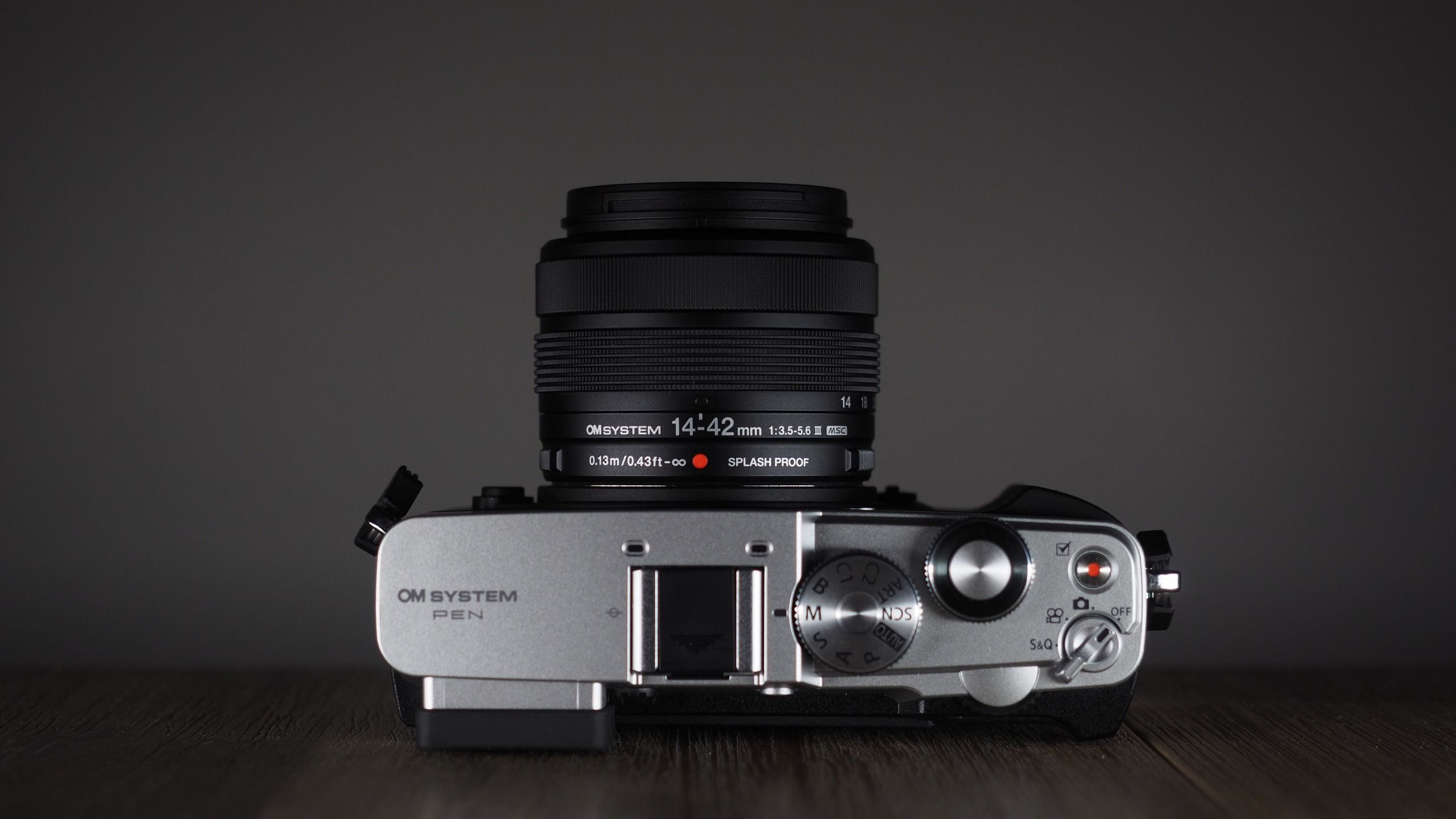
Maitani believed a camera is meaningless unless you take it outside. The new 2026 OM System PEN honors this with full weather-sealing and a sealed kit lens, making it a true everyday carry camera.
“A camera is meaningless unless you take it outside.”
Affordability was non-negotiable
Maitani set a strict price target of six thousand yen for the original PEN, about one-quarter the cost of Olympus' cheapest consumer camera at the time. That's roughly one hundred ninety-six dollars today.
From film to digital evolution
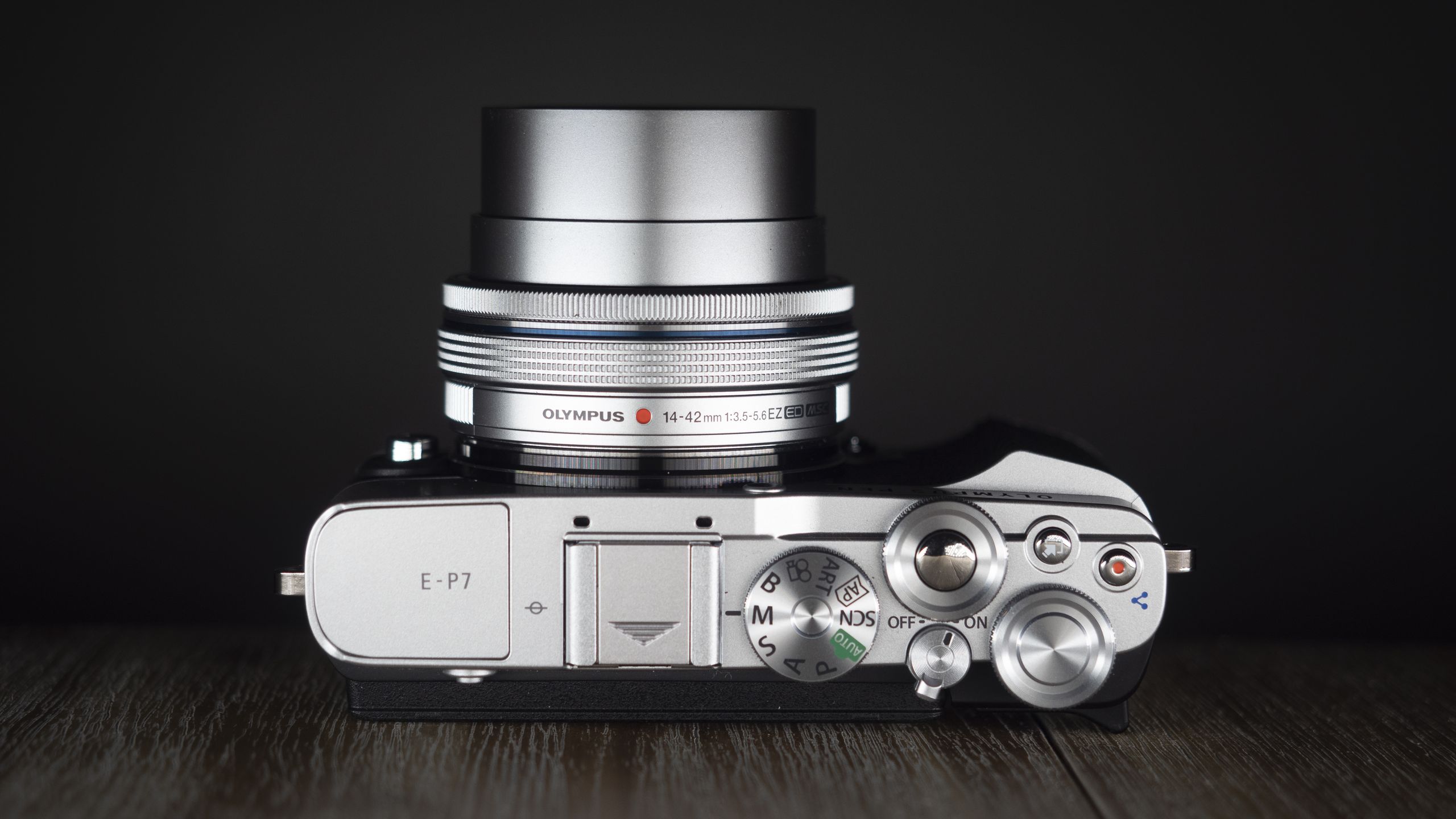
The PEN survived the shift from film to digital, evolving from the PEN F to the digital PEN E-P1, which was Olympus' first mirrorless camera and the second on the market after Panasonic.
The new OM System PEN arrives
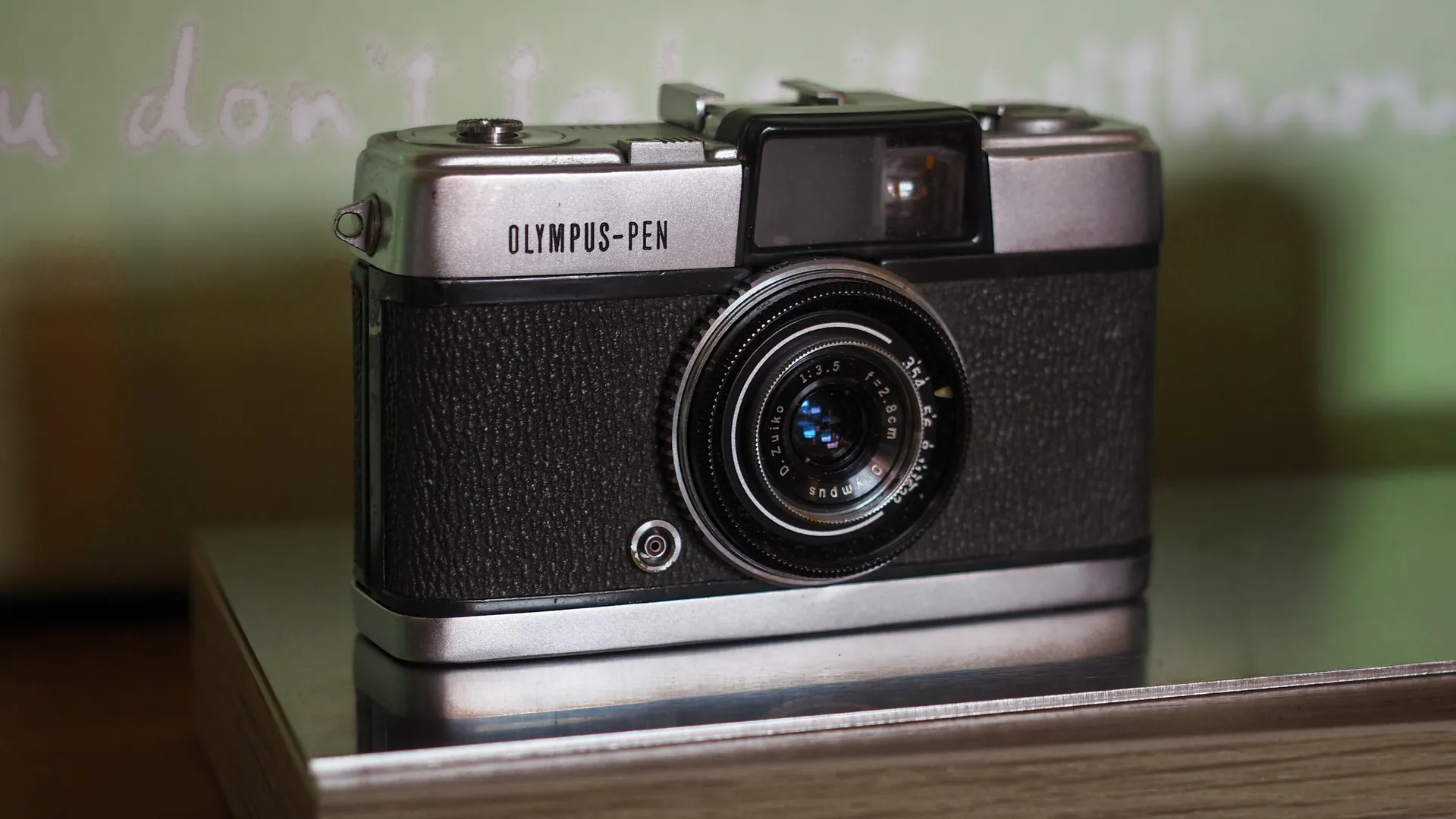
Sixty-seven years after the original, the 2026 OM System PEN still prioritizes size, simplicity, and price. At nine hundred ninety-nine dollars, it's one of the few mirrorless cameras under four figures with in-body stabilization, weather-sealing, and an electronic viewfinder.
Design principles that endure
Despite 67 years between them, the original PEN and the modern OM System PEN share the same three priorities: size, simplicity, and price. Maitani's vision of accessible, portable photography remains unchanged.
The big picture
Great design principles endure across technology shifts: the original PEN's focus on size, simplicity, and affordability still guides compact camera design today.