From Digital Camera World · · 1m 40s
I still miss my Leica M9
The Leica M-E's CCD sensor, once a marvel, now feels irreplaceable despite modern cameras' advances.
In brief
The Leica M-E's CCD sensor, once a marvel, now feels irreplaceable despite modern cameras' advances. The Leica M-E's CCD sensor creates uniquely beautiful photos that modern cameras can't replicate. Originally reported by Digital Camera World.
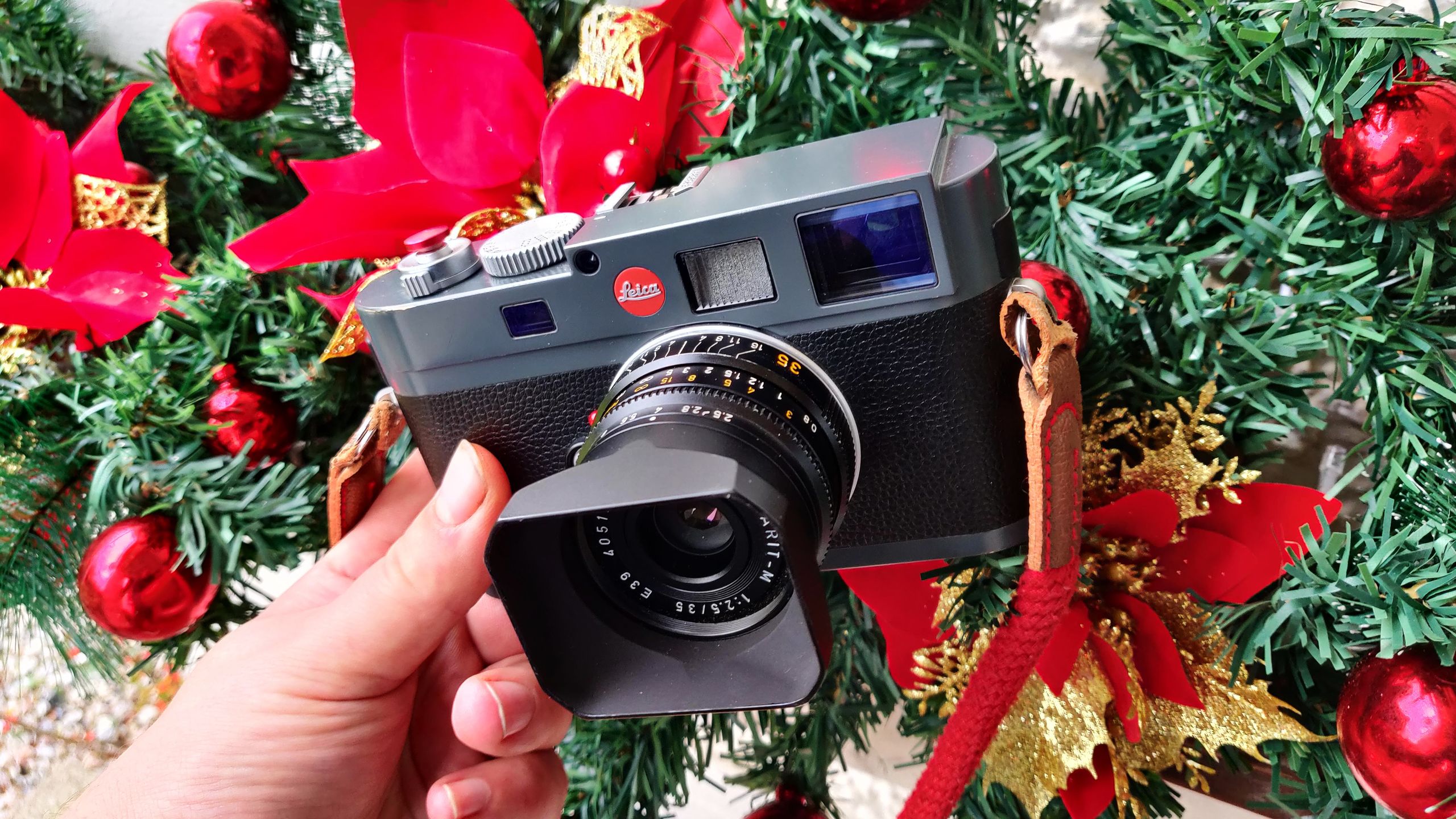
My Leica M-E

The Leica M-E (Typ 220) was the affordable digital version of the legendary Leica M9, introduced in 2012.
The CCD sensor

The M-E used the same 18MP full-frame CCD sensor as the original Leica M9, known for its film-like color quality.
Sensor corrosion issue
The protective glass covering the CCD sensor could develop corrosion, especially on earlier models, leaving unwanted marks.
Leica M240 comparison
The Leica M240 (Typ 240) was the next generation with a 24MP CMOS sensor, improved high-ISO performance, and live view.
Why the M-E remains special

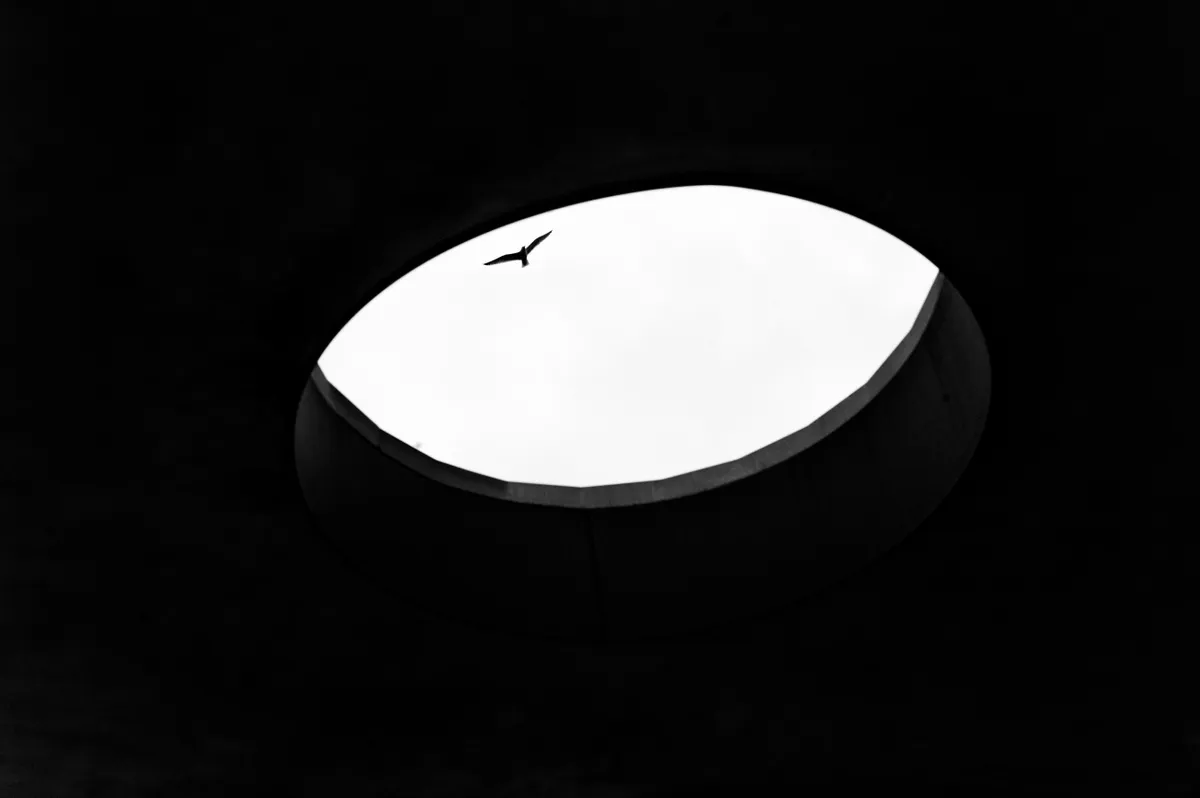
The M-E's CCD sensor produced rich, organic colors and exceptional black-and-white tonal transitions that modern cameras can't replicate.
Collectibility of vintage Leicas

Examples with documented sensor replacements now command asking prices around $3,500 despite their age and limited features.
The lasting appeal

The M-E's slow, uncomplicated nature encouraged thoughtful photography despite its technical limitations.
Why modern cameras fall short

Modern cameras focus on resolution and computational processing rather than the unique character of the CCD sensor.
The emotional connection

The M-E's distinctive character and the experience of using it create a lasting emotional connection for photographers.
The lasting legacy
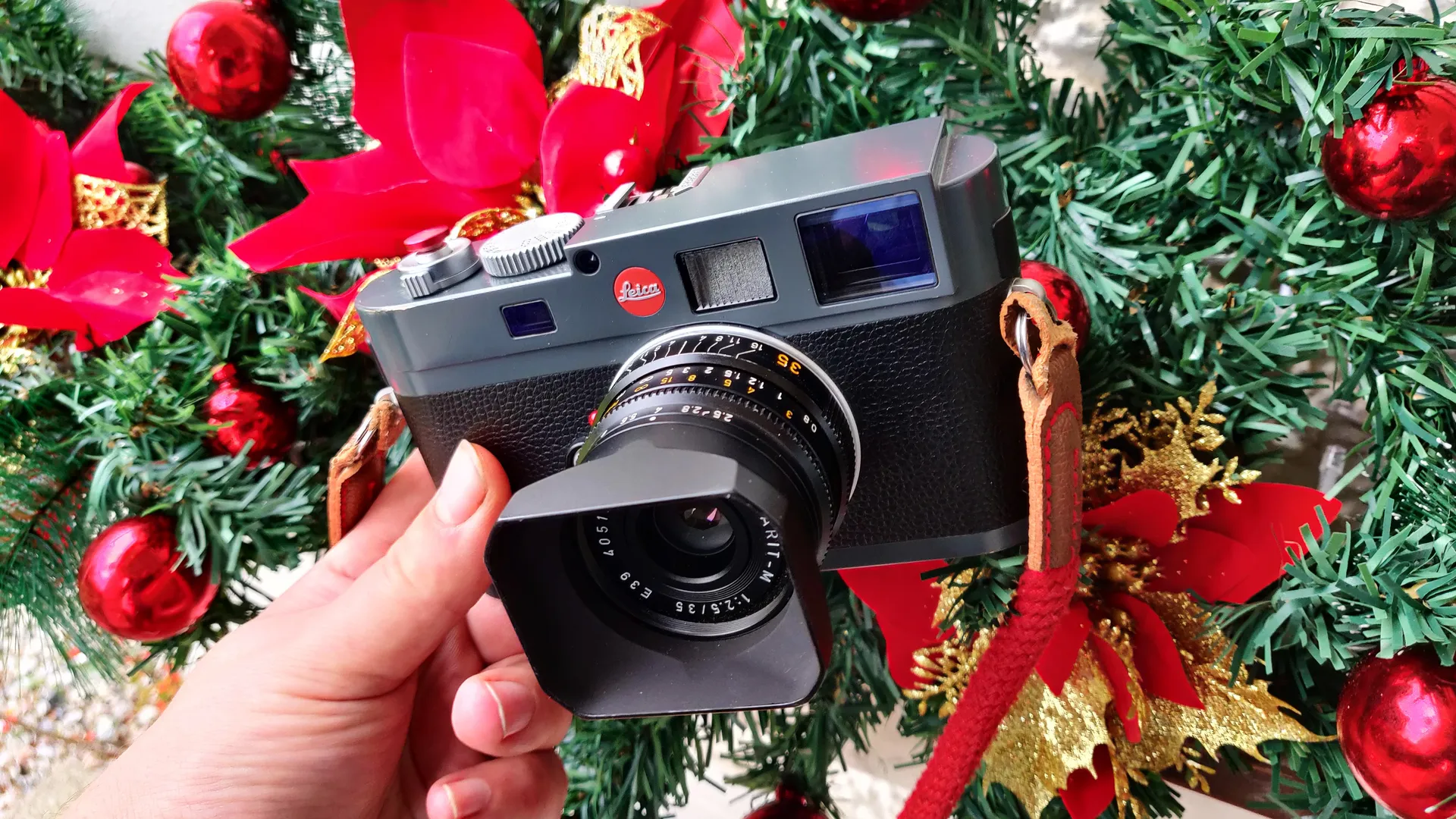
The Leica M-E remains a cherished camera despite its age and technical limitations, with its unique sensor creating irreplaceable photographs.
The key point
The Leica M-E's CCD sensor creates uniquely beautiful photos that modern cameras can't replicate.