From Digital Camera World · · 1m 50s
Lost masterpieces found in a Paris crate
Decades after fleeing Nazi-occupied France, Philippe Halsman's rediscovered glass plates reveal the formative years of a photography legend.
In brief
Decades after fleeing Nazi-occupied France, Philippe Halsman's rediscovered glass plates reveal the formative years of a photography legend. Halsman's pre-war Paris negatives, abandoned in 1940 and rediscovered in 2006, show a young photographer experimenting with psychology and technique years before becoming famous…
Fleeing with only a camera
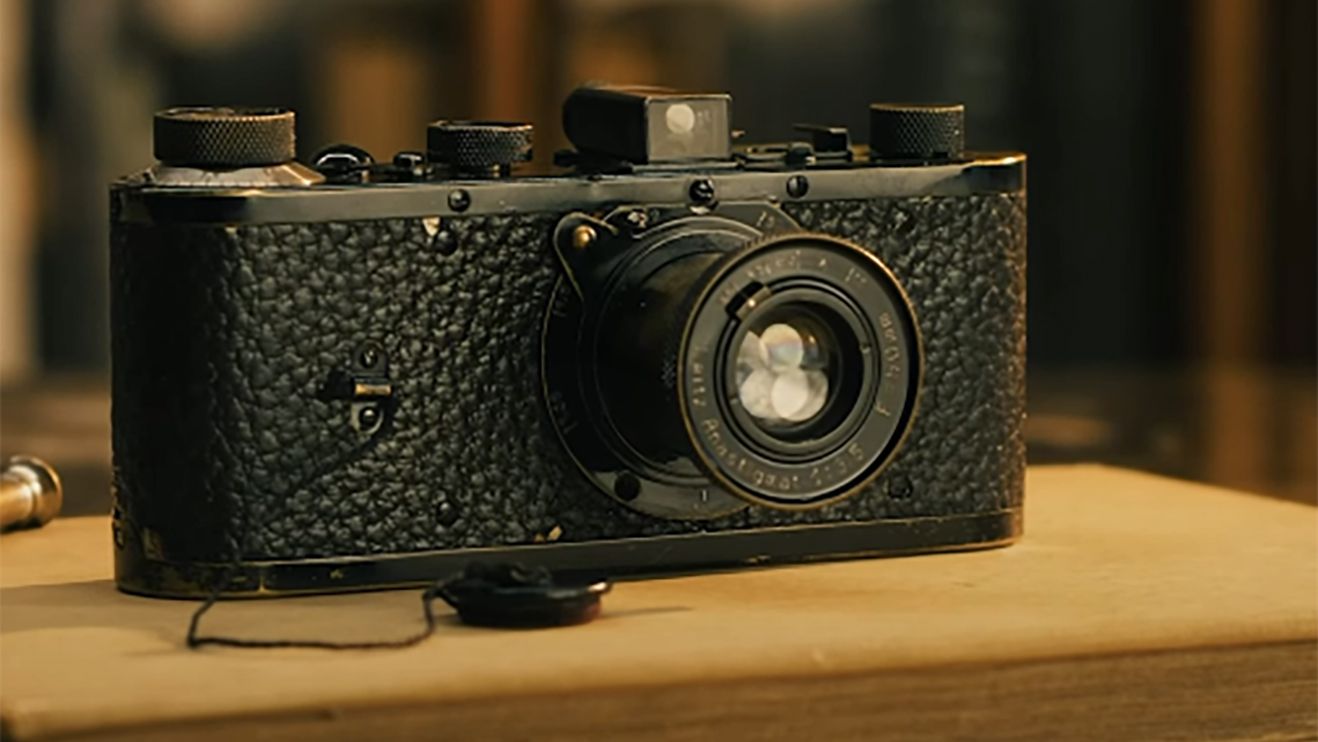
When Nazi forces invaded France in 1940, photographer Philippe Halsman abandoned his entire body of work in Paris and escaped with just his camera and 12 prints.
“he fled Paris with only his camera and 12 prints, leaving behind an entire body of work.”
A life marked by adversity
Born in Riga in 1906, Halsman was wrongfully imprisoned for two years in Austria after being accused of killing his father. When the Nazis arrived, he knew he had to leave.
From Paris to New York fame
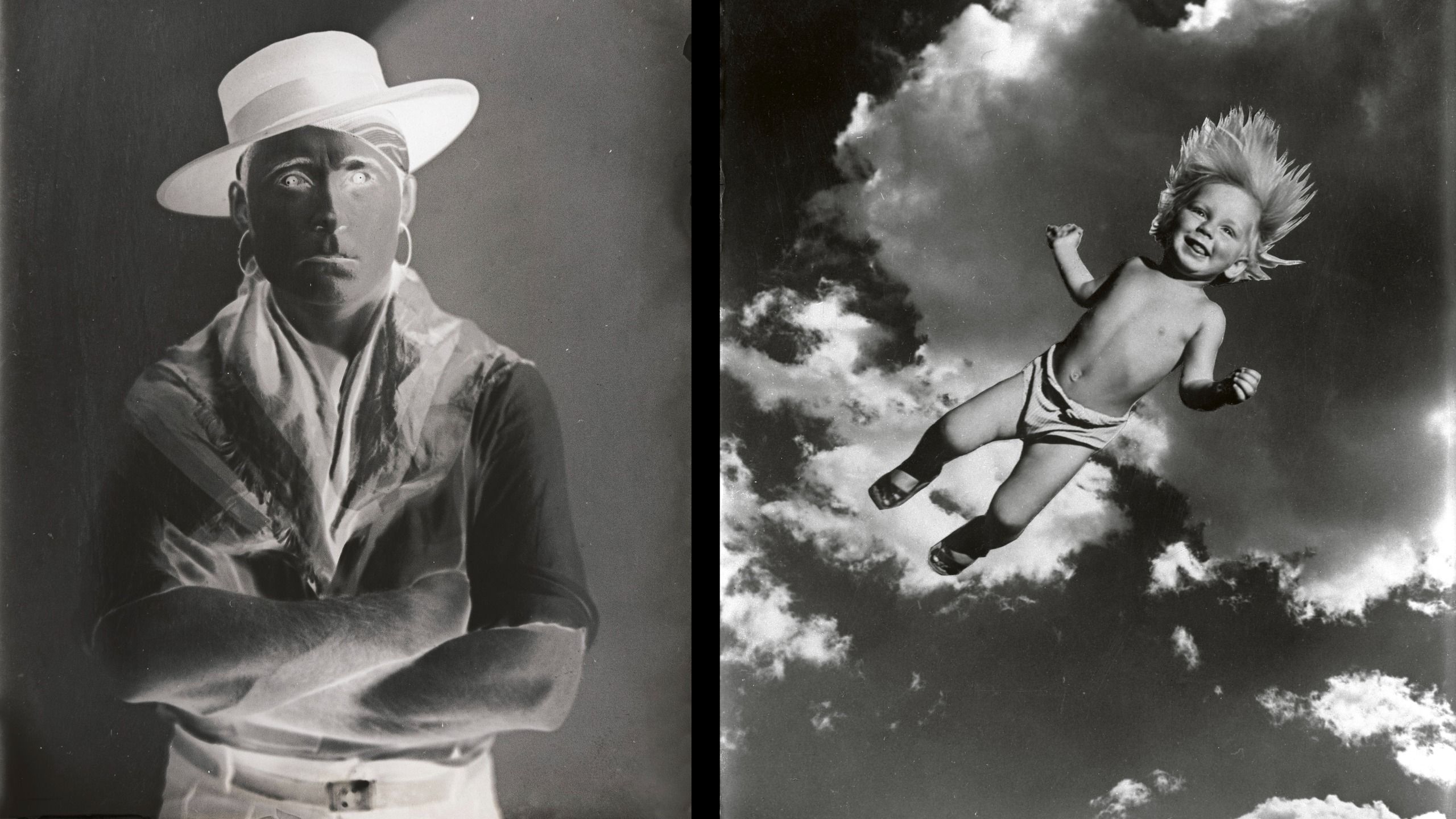
After Albert Einstein helped him relocate to New York in 1940, Halsman became one of the 20th century's most celebrated portrait photographers, shooting 101 Life magazine covers and photographing Marilyn Monroe and Salvador Dali.
The crate sat forgotten for decades
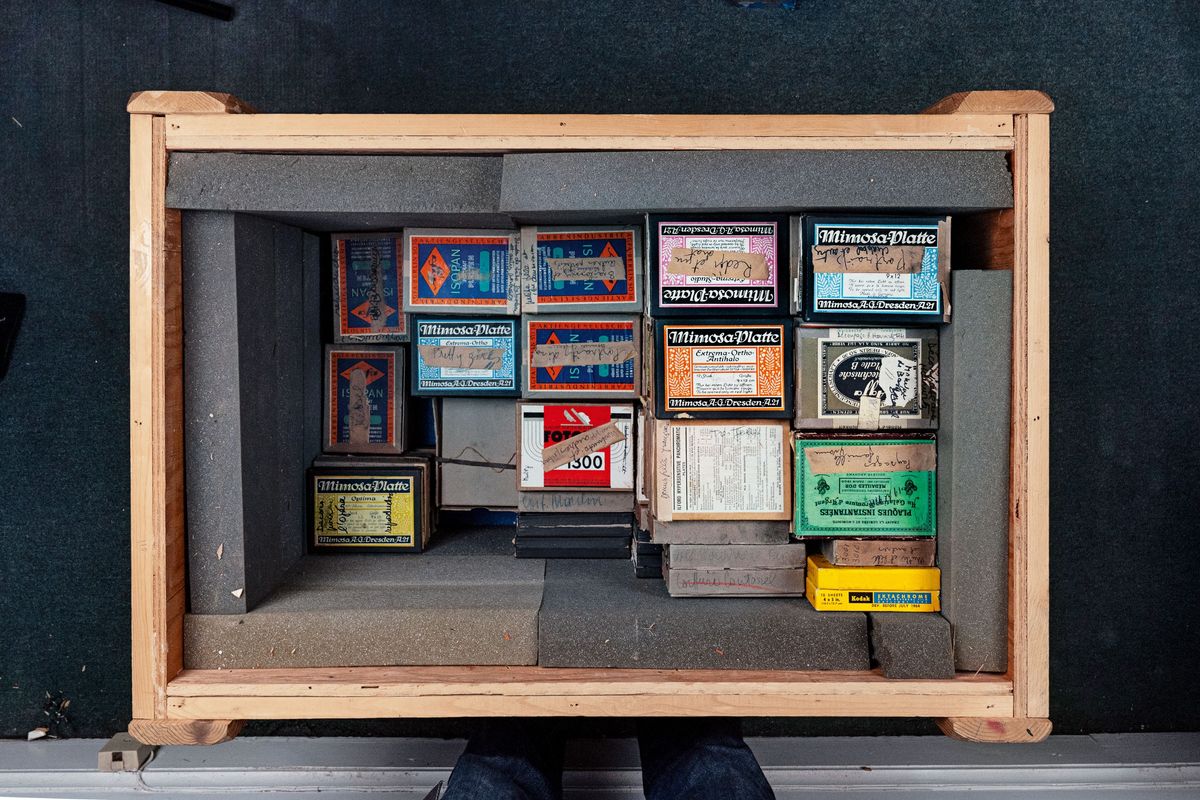
A crate of Halsman's glass-plate negatives was returned after the war but ignored until his death in 1979. His grandson Oliver Halsman Rosenberg didn't rediscover them until 2006.
Experimenting with psychology
In the 1930s, Halsman dropped out of engineering school to pursue photography and investigate what he called the mystery of another human being, influenced by writer Dostoevsky.
“"the mystery of another human being"”
Breaking studio photography rules
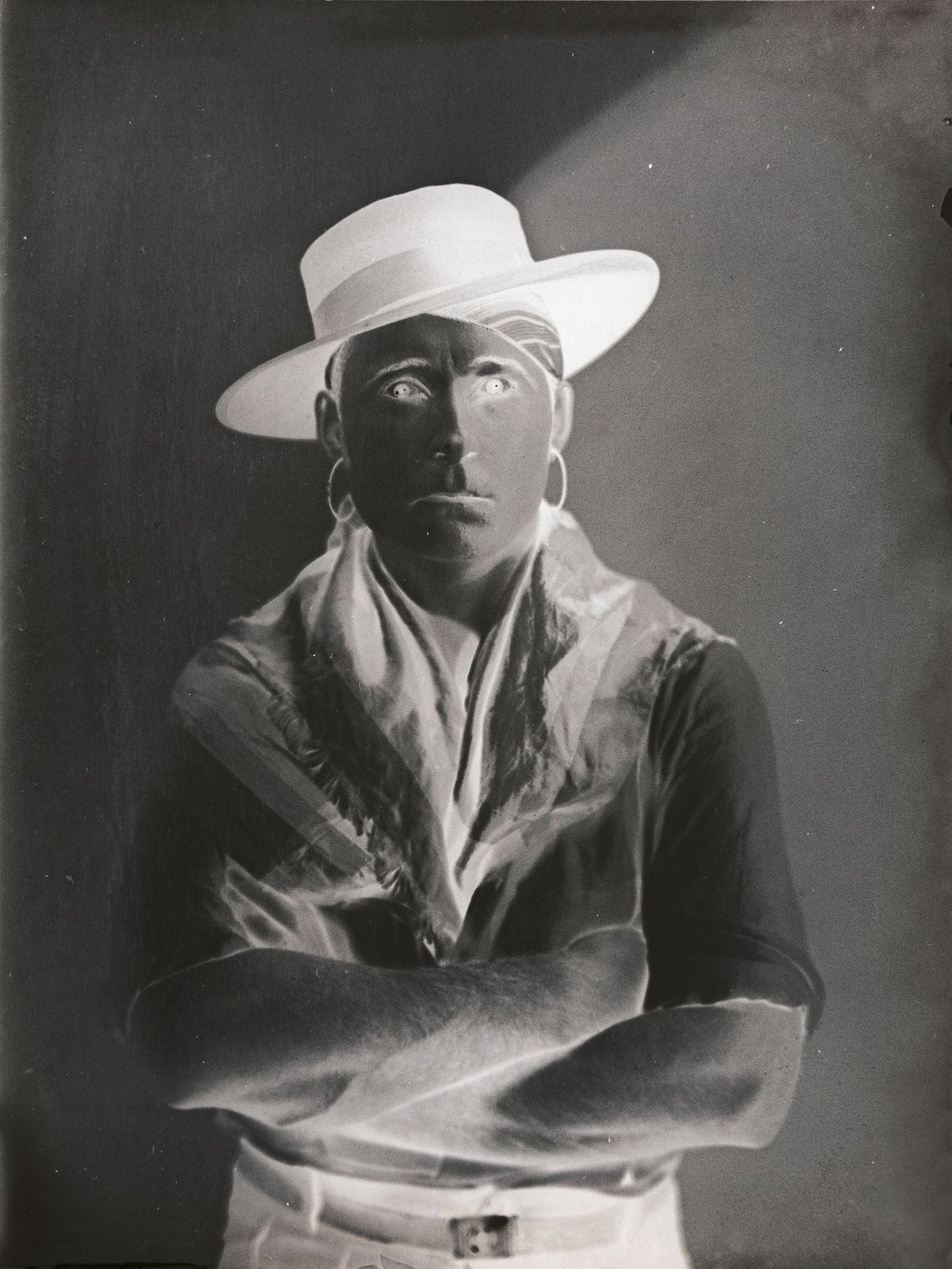
His rediscovered portraits reject the flattering symmetry of 1930s studio work, catching sitters mid-grimace with unguarded expressions and asymmetrical features.
Pioneering double exposure
Halsman experimented with layering a sitter's face beneath sheer fabric or veiling, with eyes glowing where the exposures overlapped, a technique ahead of its time.
A book reveals his foundation
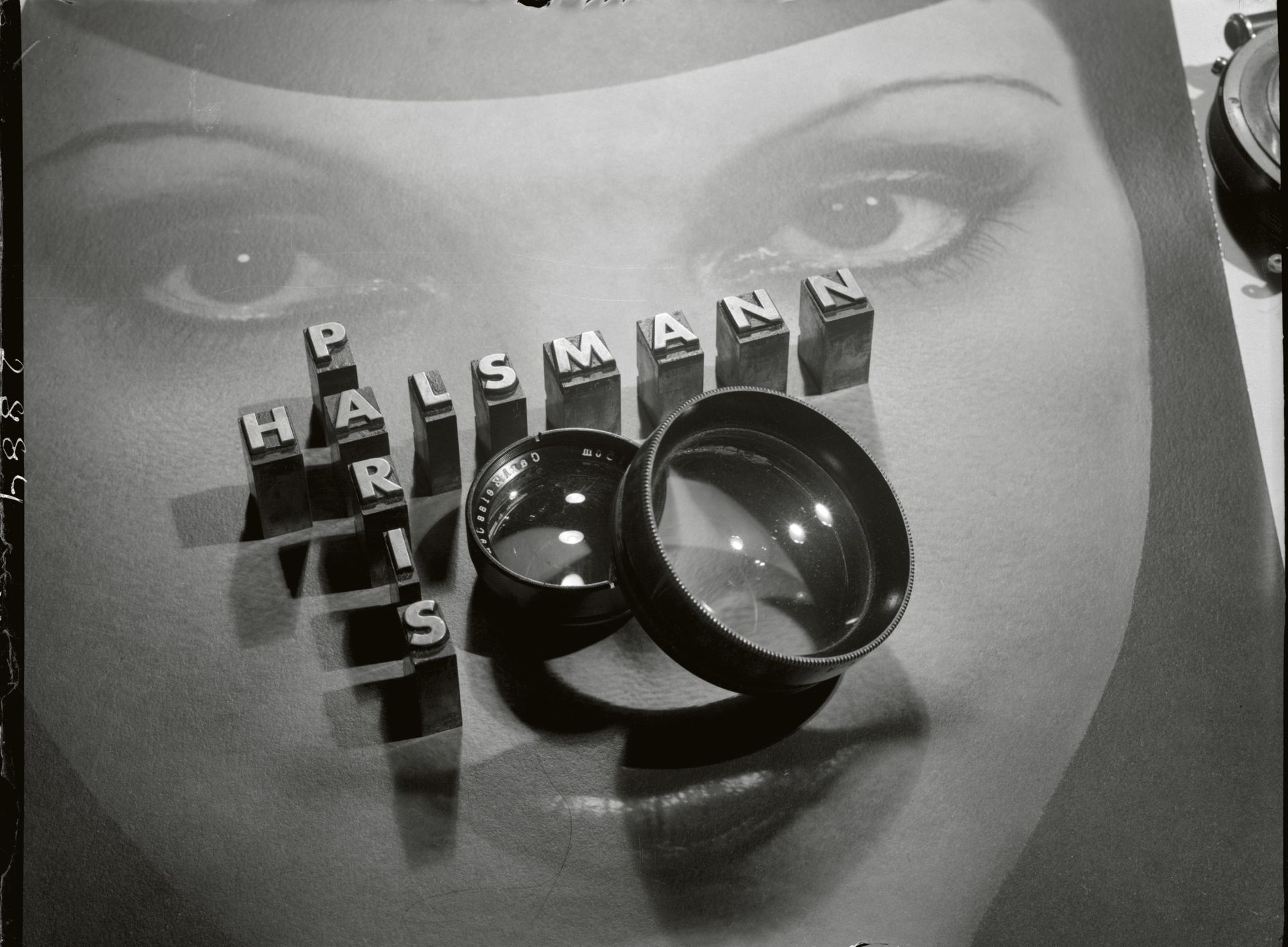
Thames and Hudson published Philippe Halsman: The French Crate in October 2024, offering a rare look at a major photographer's formative years before he became world famous.
The headline
Halsman's pre-war Paris negatives, abandoned in 1940 and rediscovered in 2006, show a young photographer experimenting with psychology and technique years before becoming famous for celebrity jump portraits.