From Digital Camera World · · 1m 50s
Nicolas Rachline's film noir photography book
French photographer Nicolas Rachline's debut monograph uses shadow, mystery and restraint to create mood over narrative.
In brief
French photographer Nicolas Rachline's debut monograph uses shadow, mystery and restraint to create mood over narrative. Street photography doesn't need a clear subject or decisive moment to be powerful; ambiguity and mood can be just as compelling. Originally reported by Digital Camera World.
Rachline's debut monograph arrives
Nicolas Rachline's first book, Elsebound, launches September 22 from Rizzoli New York. It captures empty streets, half-lit doorways and shadowy figures that evoke classic film noir.
Mystery over explanation
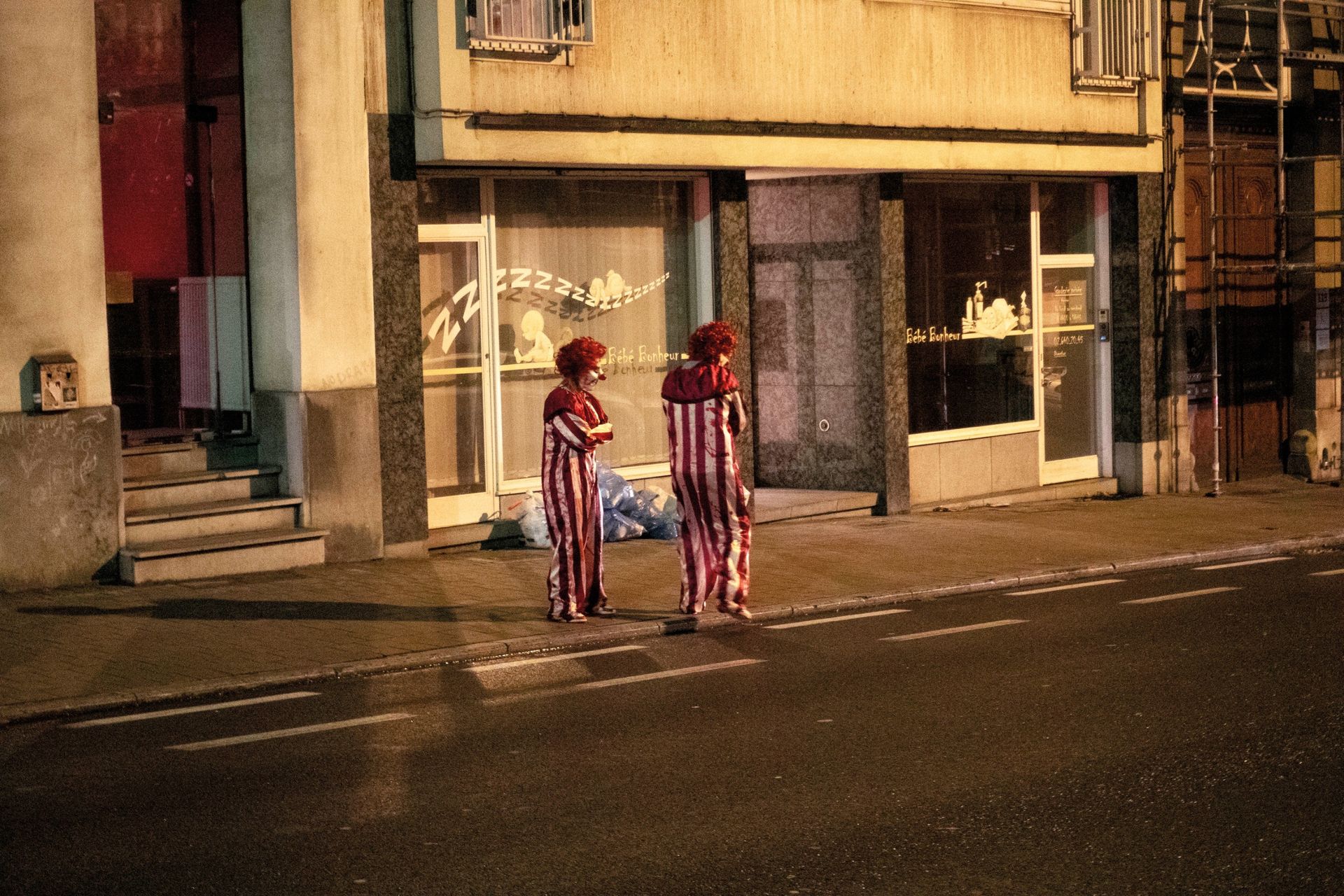
The book's images deliberately withhold narrative. A clown talks outside a shuttered shop, a man walks past Café de Flore, a woman climbs stairs toward shadow. You never know what happened before or after.
“It's less about where he points his camera than where he doesn't.”
The power of what's unsaid
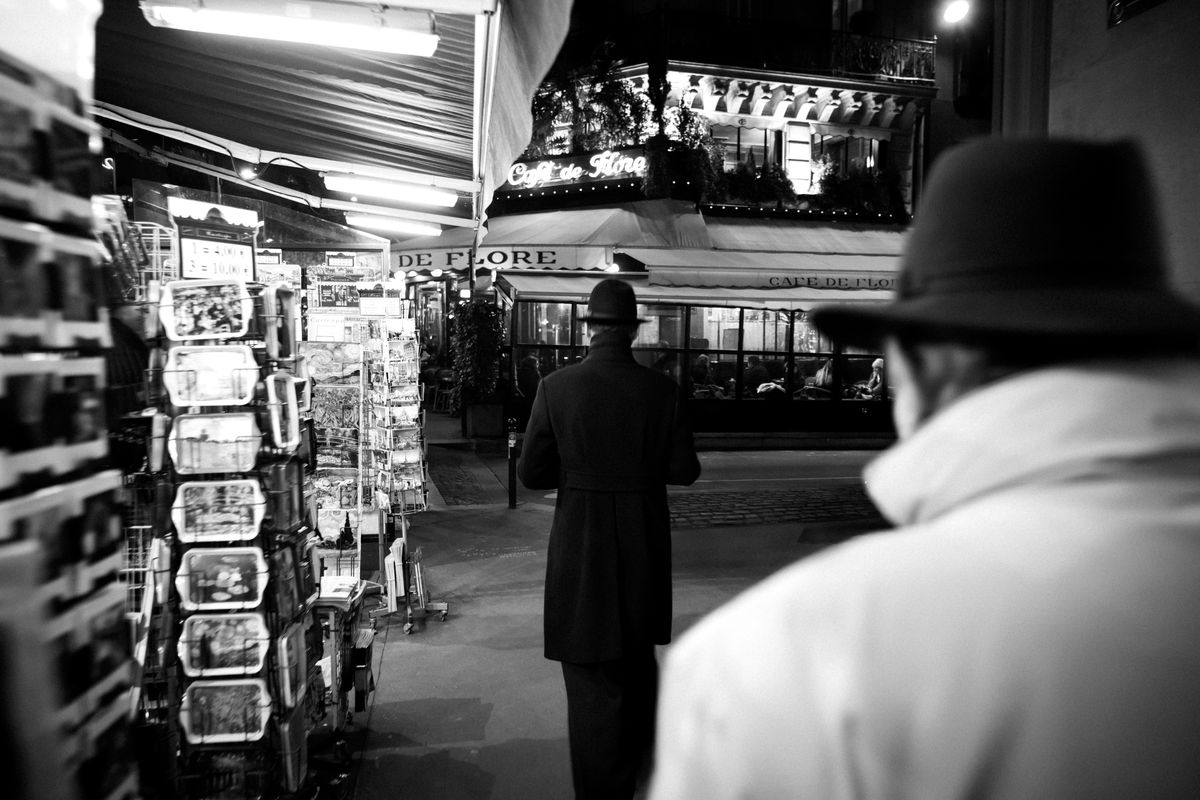
Rachline's approach mirrors Miles Davis's jazz philosophy: it's not what you show, it's what you leave out. The images provoke viewers to fill gaps or simply wonder, rather than explaining themselves.
“"It's not the notes you play; it's the notes you don't play."”
From advertising to photography
Rachline spent decades in advertising, publishing and music video production before shifting to photography over ten years ago. His influences include photographers Brassai and Saul Leiter, plus painters Edward Hopper and Paul Delvaux.
Architecture carries the weight
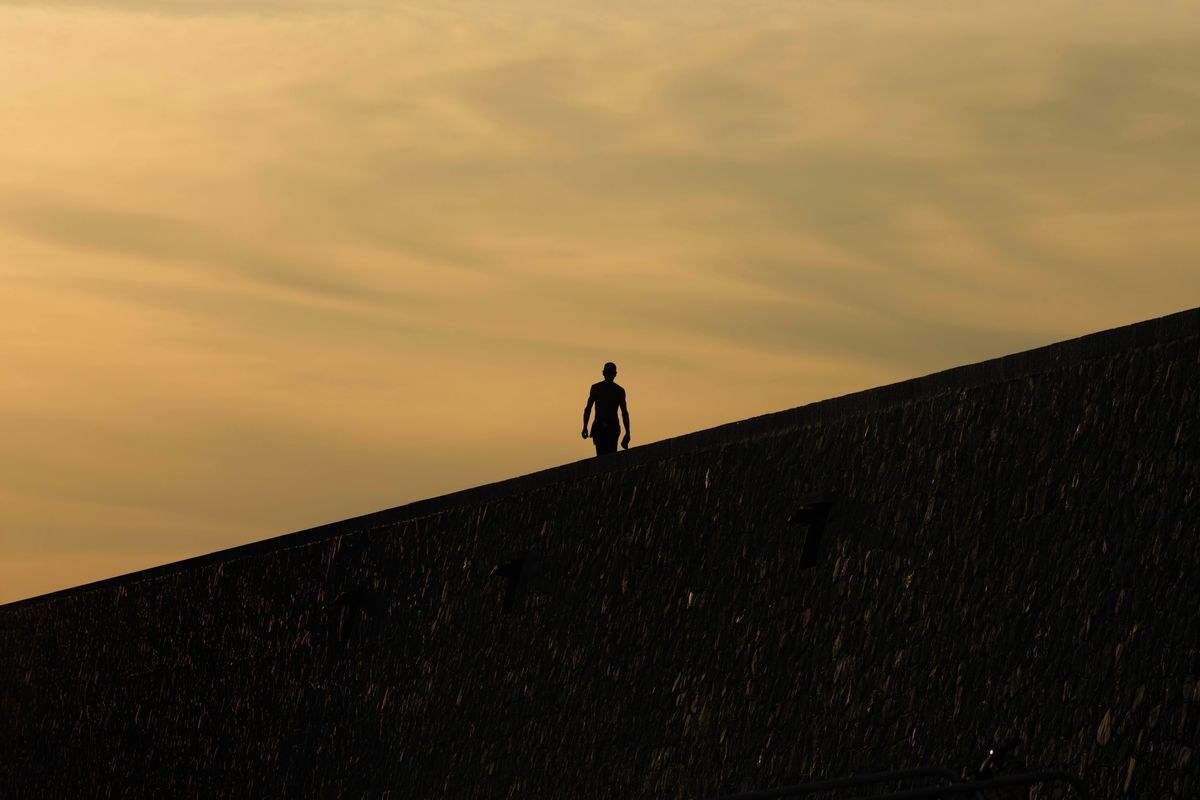
In Rachline's work, buildings and landscapes often matter as much as people. When humans appear, they're small, distant or turned away, letting stone walls, rooftops and skylines become the real subjects.
Melancholy with hidden warmth
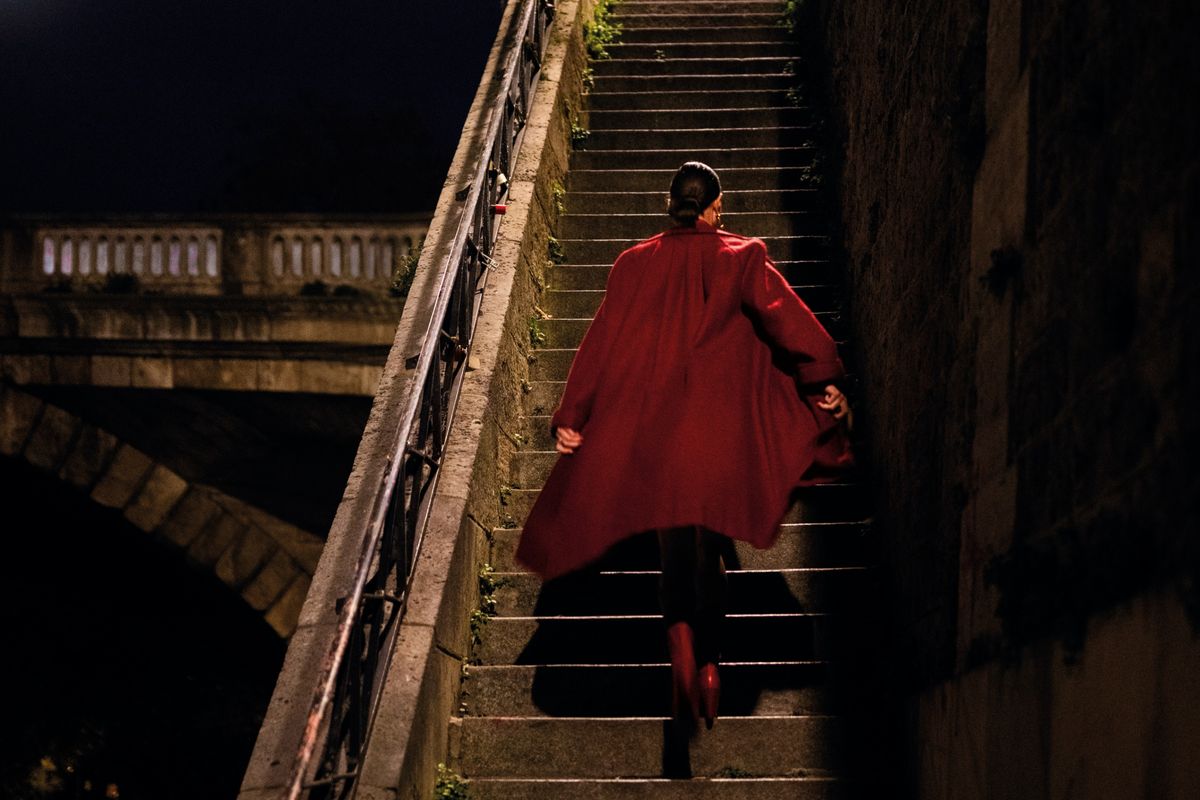
The images look lonely but rarely feel sad. Foreword writers Graydon Carter and Nathan King argue the pictures carry hope alongside melancholy, creating tension between unease and warmth.
Restraint beats the decisive moment
Rachline builds mood across 224 pages rather than chasing single dramatic moments. His key lesson for street photographers: not every shot needs a clear subject doing something obvious. Ambiguity can be equally powerful.
“Not every street shot needs a clear subject doing something legible.”
In short
Street photography doesn't need a clear subject or decisive moment to be powerful; ambiguity and mood can be just as compelling.