From Digital Camera World · · 1m 30s
Purple haze aurora captured from space
NASA astronaut Jessica Meir photographed a stunning aurora from the ISS, showing the northern lights dancing across Earth's curved horizon.
In brief
NASA astronaut Jessica Meir photographed a stunning aurora from the ISS, showing the northern lights dancing across Earth's curved horizon. Auroras look far more vibrant through a camera lens than to the naked eye, whether you're viewing from Earth or from 255 miles up in space. Originally reported by Digital Camera…
Astronaut captures purple aurora from orbit
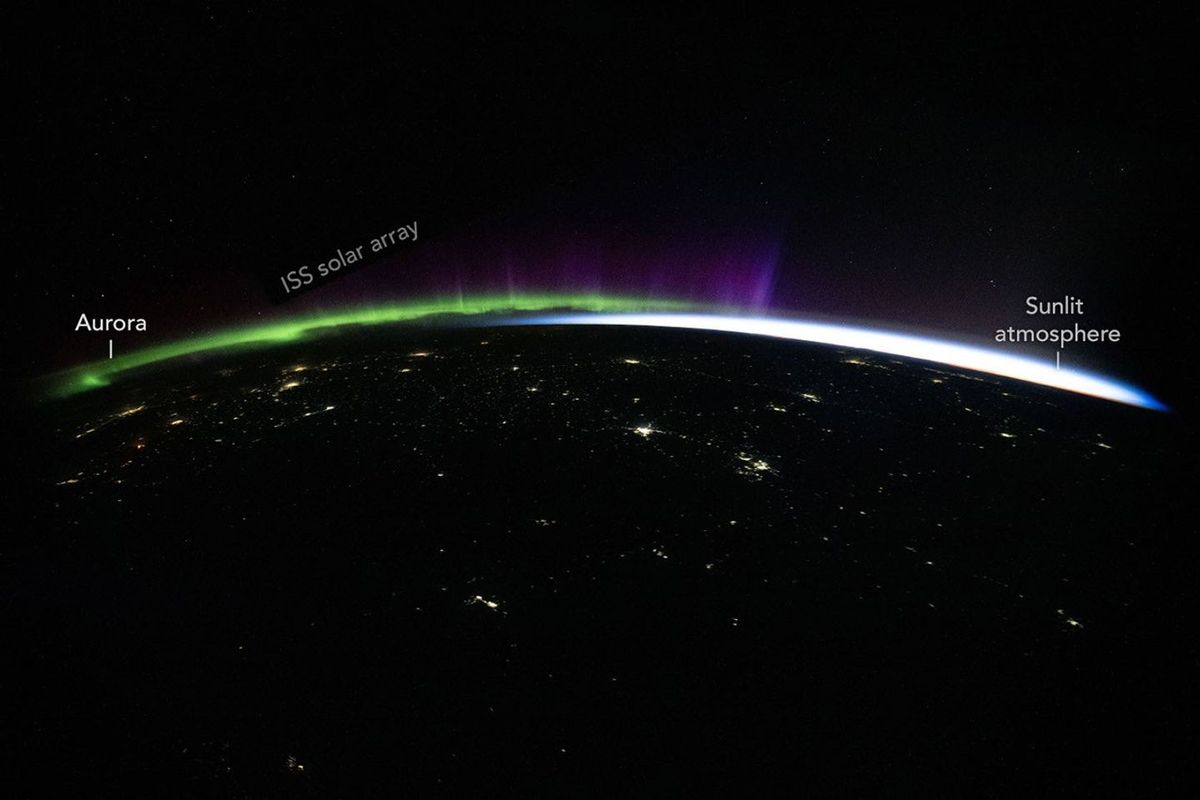
Jessica Meir photographed a stunning aurora from the International Space Station at 255 miles altitude above Kyrgyzstan using a Nikon Z9 and Zeiss 15mm lens.
The purple haze inspiration
NASA titled the image 'Purple Haze Aurora' after Jimi Hendrix's song, which was itself inspired by Philip José Farmer's science-fiction novella about a cyclical purple haze that transforms a planet.
Multi-shot stacking reveals star trails
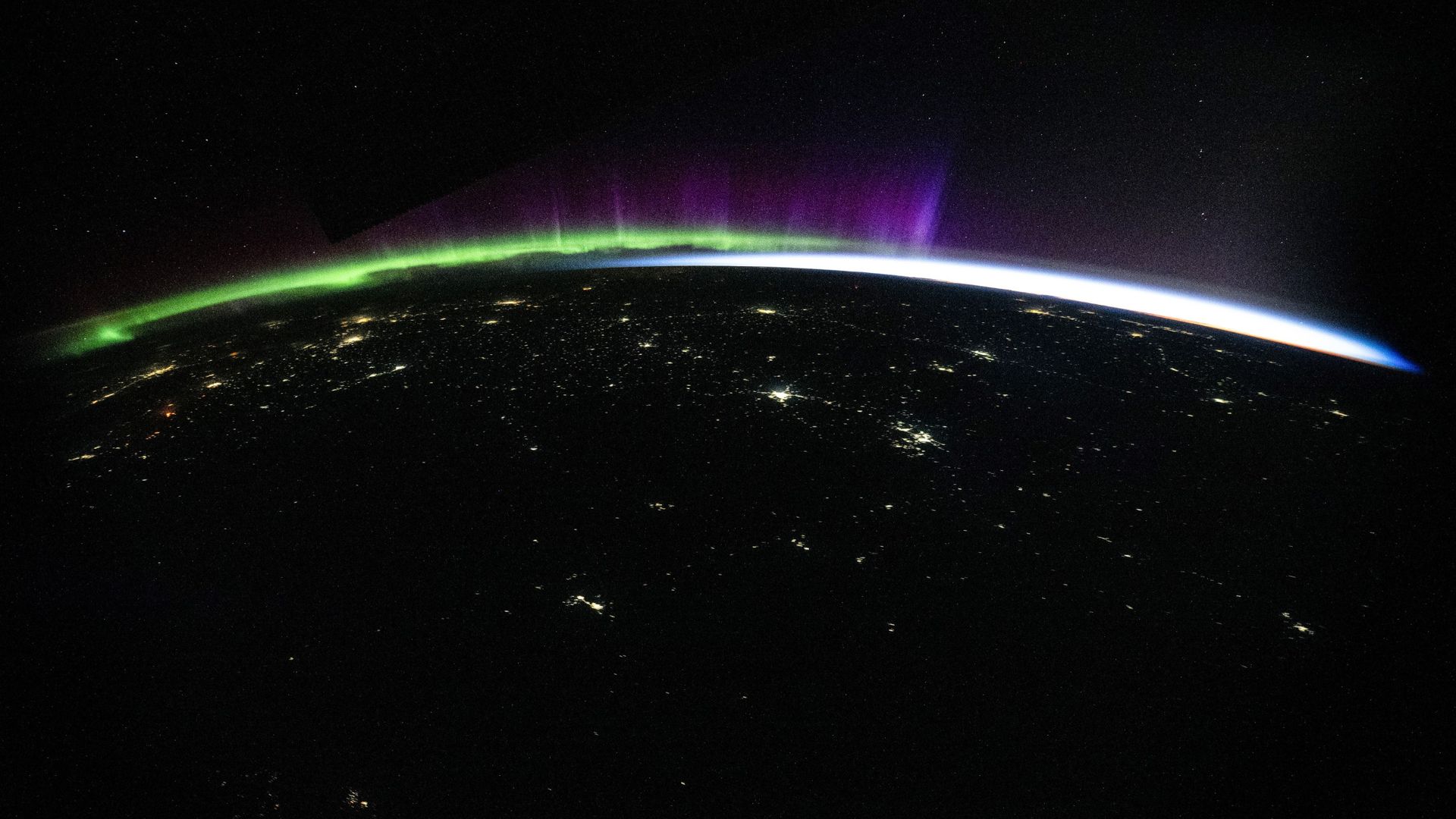
Meir combined multiple exposures to create star trail images showing 30-second long exposures, satellite arrays, and the Moon rising, evoking NASA's Artemis ambitions.
Auroras look better through your lens
Auroras appear far less vibrant to the naked eye than they do in photographs, so don't dismiss a faint display until you've seen it through your camera.
“auroras are less vibrant when viewed by the naked eye, so don't be put off by an unspectacular display until you've seen it through the lens of your camera.”
Shoot auroras with manual settings
Switch to manual mode and use a wide aperture to maximize light. Start with a 10-second exposure and adjust ISO to balance brightness without introducing motion blur.
Phone cameras can capture auroras too
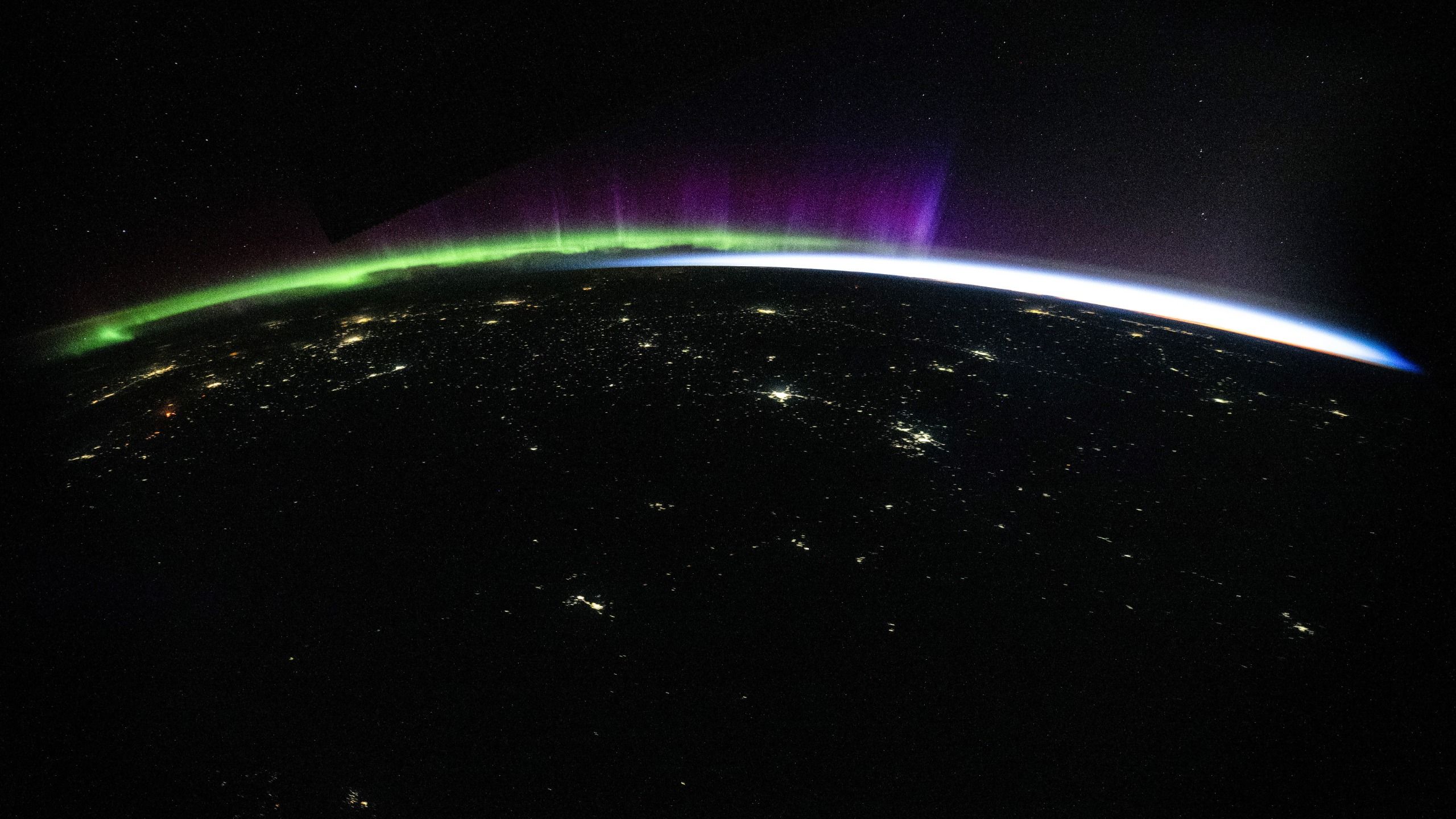
While serious astrophotographers prefer manual mode, it's entirely possible to photograph auroras using just a smartphone camera.
What to remember
Auroras look far more vibrant through a camera lens than to the naked eye, whether you're viewing from Earth or from 255 miles up in space.