From Digital Camera World · · 1m 40s
Samsung's forgotten camera dreams
Samsung built innovative mirrorless cameras a decade ago, then abandoned them for smartphones.
In brief
Samsung built innovative mirrorless cameras a decade ago, then abandoned them for smartphones. Samsung's NX camera line showed real innovation but failed because it couldn't build a lens ecosystem or compete with established camera brands while its own phones offered a simpler alternative. Originally reported by…
Samsung's camera ambitions
A decade ago, Samsung built a thriving digital camera range with innovations that competitors couldn't match. The company eventually chose smartphones over dedicated cameras.
The NX10 started it all
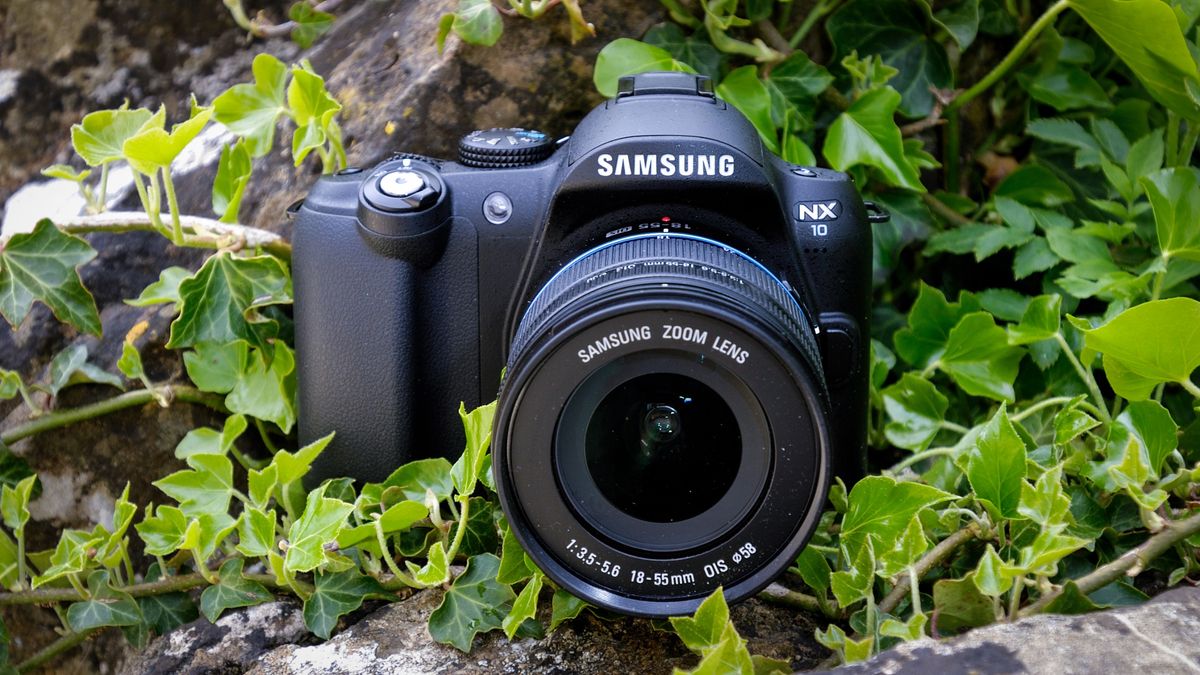
Samsung launched the NX10 in 2010, beginning its interchangeable lens camera series. The line showed real promise with connected features and innovative designs.
Android in a camera body
The 2013 Galaxy NX was the world's first mirrorless camera with a full Android operating system, letting users do almost everything a smartphone could except make calls.
The NX Mini showed promise
Samsung's 2014 NX Mini featured a flip-up selfie screen and a one-inch sensor, proving the company understood what photographers wanted.
The proprietary mount problem
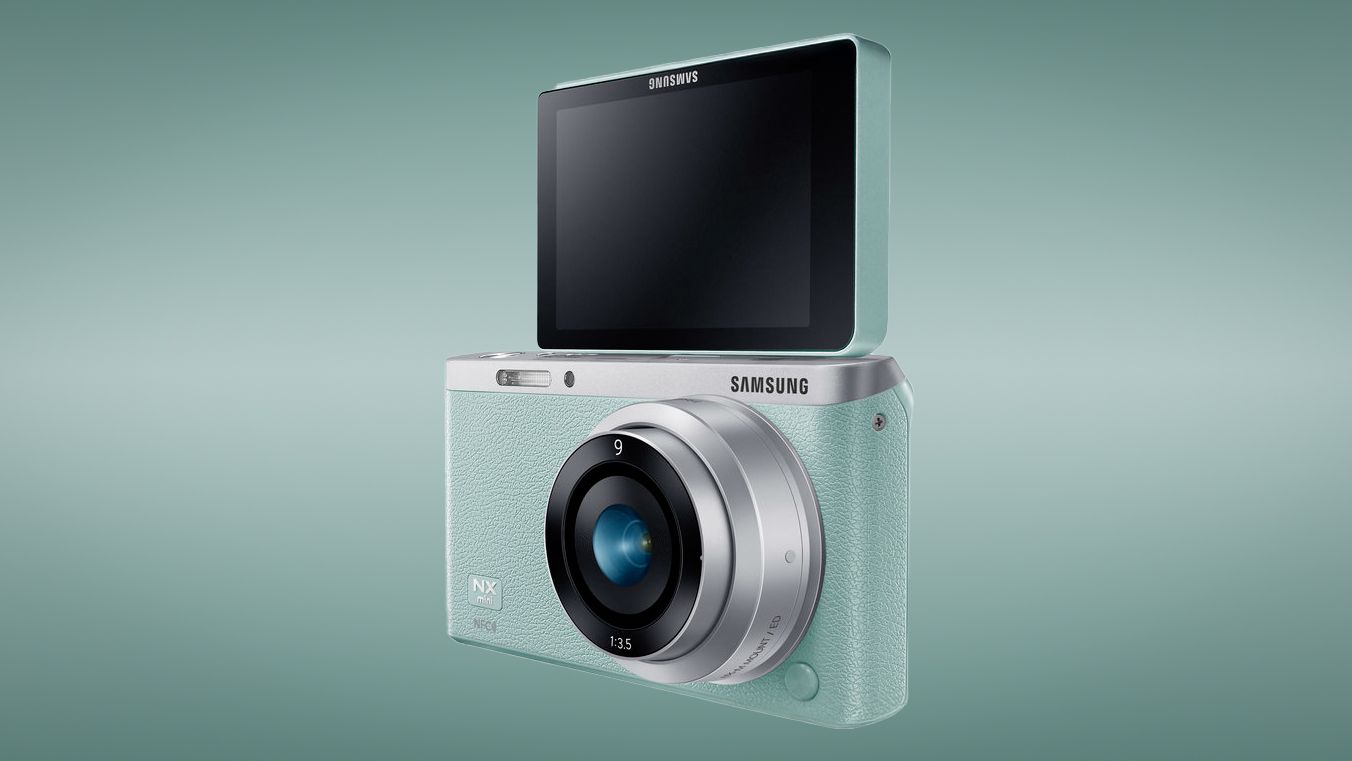
Samsung created its own NX lens mount instead of adopting an existing standard. This forced buyers to invest in a proprietary ecosystem with limited lens options.
Why Samsung lost the battle
Samsung couldn't win over enthusiast photographers while building its own lens ecosystem against established brands. Meanwhile, its own smartphones offered casual users a simpler alternative.
The final cameras
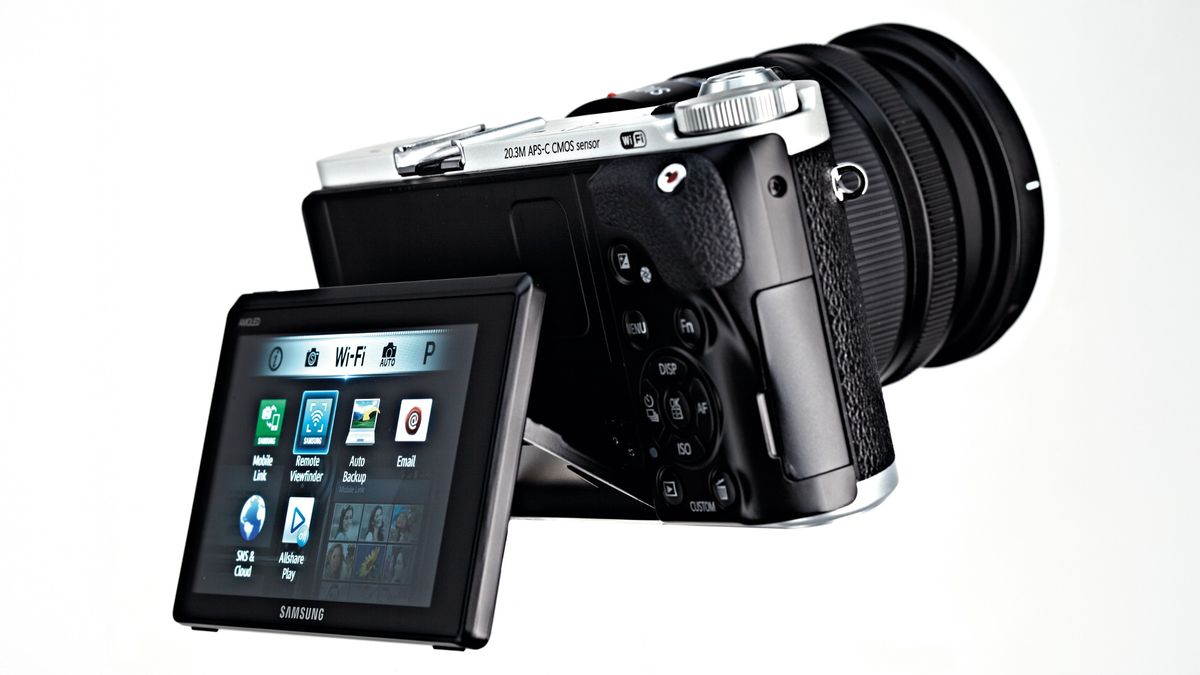
The NX500 in 2015 borrowed the pro NX1's 28-megapixel sensor and 4K video. The NX300 introduced a tilting screen that remains essential on mirrorless cameras today.
A missed opportunity
Samsung abandoned Android in cameras just as it seemed to be showing photography's future. No other manufacturer has seriously pursued that vision since.
What it means
Samsung's NX camera line showed real innovation but failed because it couldn't build a lens ecosystem or compete with established camera brands while its own phones offered a simpler alternative.