From Digital Camera World · · 4m
Tamron's 16-30mm f/2.8 is a trinity zoom that fits in your bag
A 450g f/2.8 ultra-wide that takes 67mm filters and costs a third of Sony's own, with the sharpness to back it up.
In brief
A 450g f/2.8 ultra-wide that takes 67mm filters and costs a third of Sony's own, with the sharpness to back it up. If you shoot Nikon Z or Sony E, this gets you trinity-grade wide-angle performance at 450g and under $1,000, and it takes normal screw-on filters. Originally reported by Digital Camera World.
The trinity trade-off
Pro-grade f/2.8 wide zooms give you sweeping angles of view and speed in dull light. They also tend to be heavy, costly, and missing a front filter thread.
“I hate that trinity wide-angle zooms are typically big, heavy and very expensive”
The lens that started it
Tamron's 2019 17-28mm f/2.8 proved a compact, affordable alternative could work. It took a five-star rating here, and Nikon licensed it as the Z 17-28mm in 2022.
“the Tamron 17-28mm f/2.8 Di III RXD was a revelation to me”
All new, not a refresh
Rather than revamp the 17-28mm, Tamron built the 16-30mm f/2.8 Di III VXD G2 from scratch in July 2025. It gains reach at both ends plus a quicker AF motor.
Small for its class
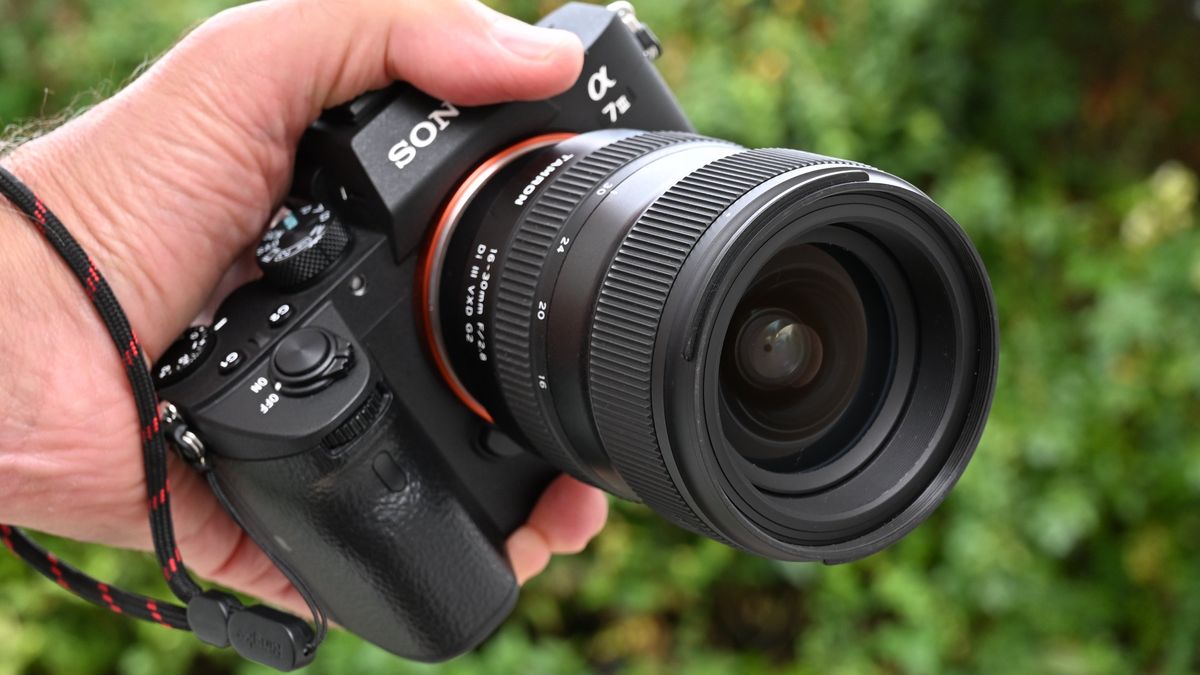
450g and 75x104mm, with 16 elements in 12 groups and a nine-blade diaphragm. No optical stabilization, and it focuses down to 0.19m at the wide end.
Six years, same price
Launch RRP is $929 / £849 / AU$1,799, barely moved from the 2019 lens despite everything else going up.
“the Tamron 16-30mm potentially looks quite a bargain”
What the rivals ask
Sigma's 16-28mm f/2.8 Contemporary runs $989 but skips Nikon Z. The Nikon Z 17-28mm is $1,299, and Sony's own 16-35mm f/2.8 GM II is $2,598.
Why it stops at 16mm
It won't reach 14mm or 12mm like some rivals, and that's the point. Going wider usually means a bulging front element and a fixed hood bolted over it.
Filters you can actually fit
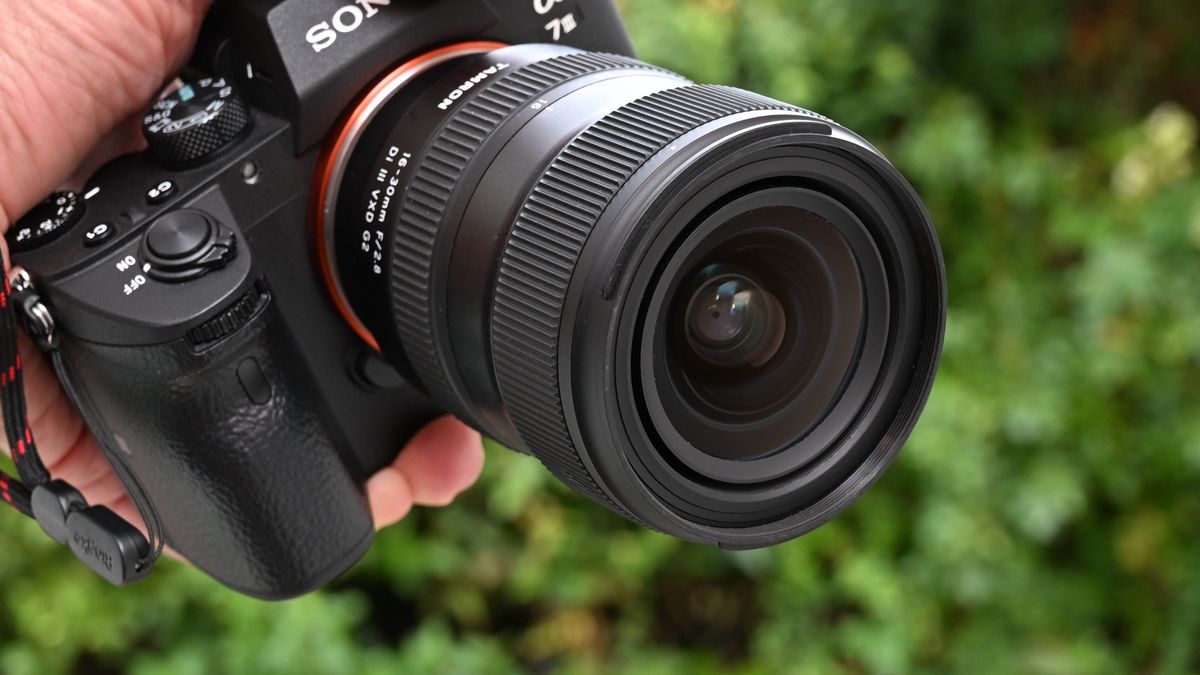
A flatter front element leaves room for a 67mm thread, so ND grads and high-density NDs just screw on. Polarizers still give uneven skies on any ultra-wide.
“That's worth its weight in gold as far as I'm concerned.”
Zoom that stays put
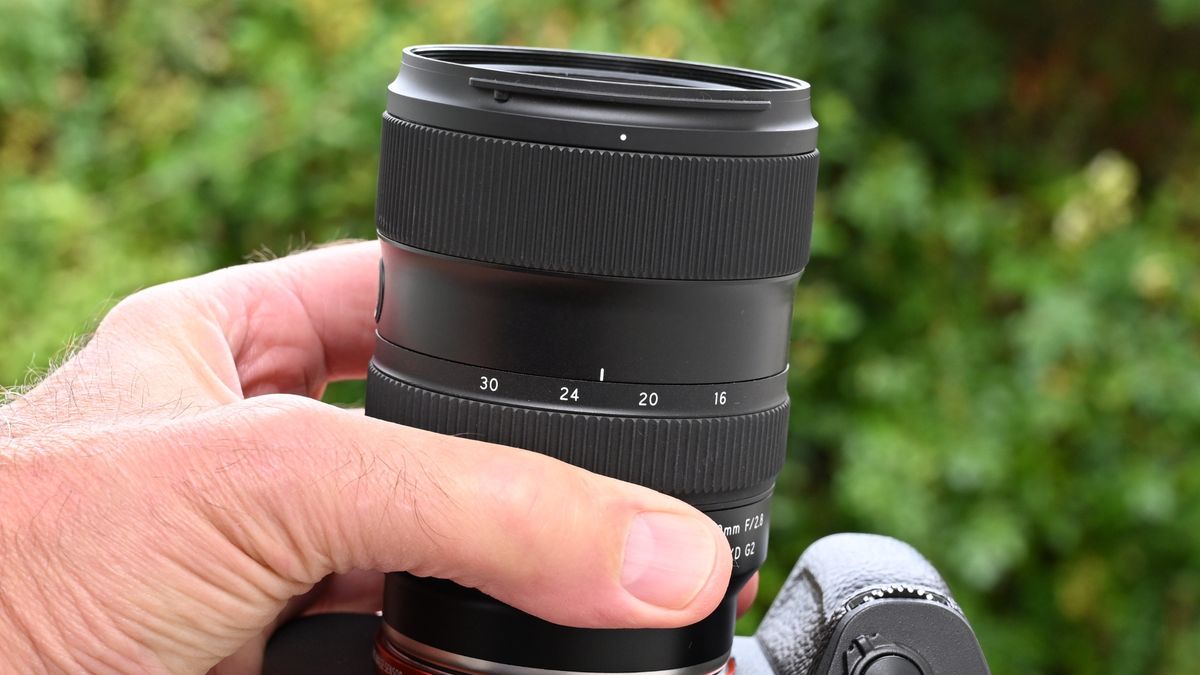
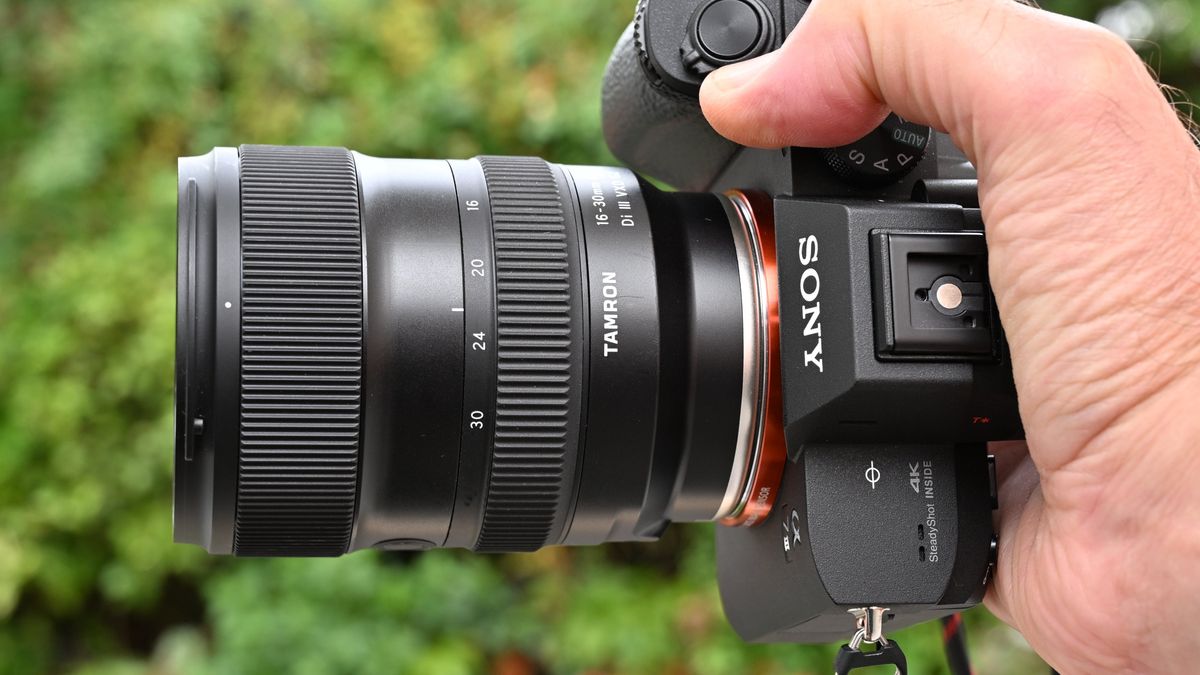
An inner barrel creeps toward the front as you zoom out to 16mm, but never past the outer barrel. The action is smooth with no droop, so there's no lock switch.
“there's absolutely no need for one”
Two rings, two systems
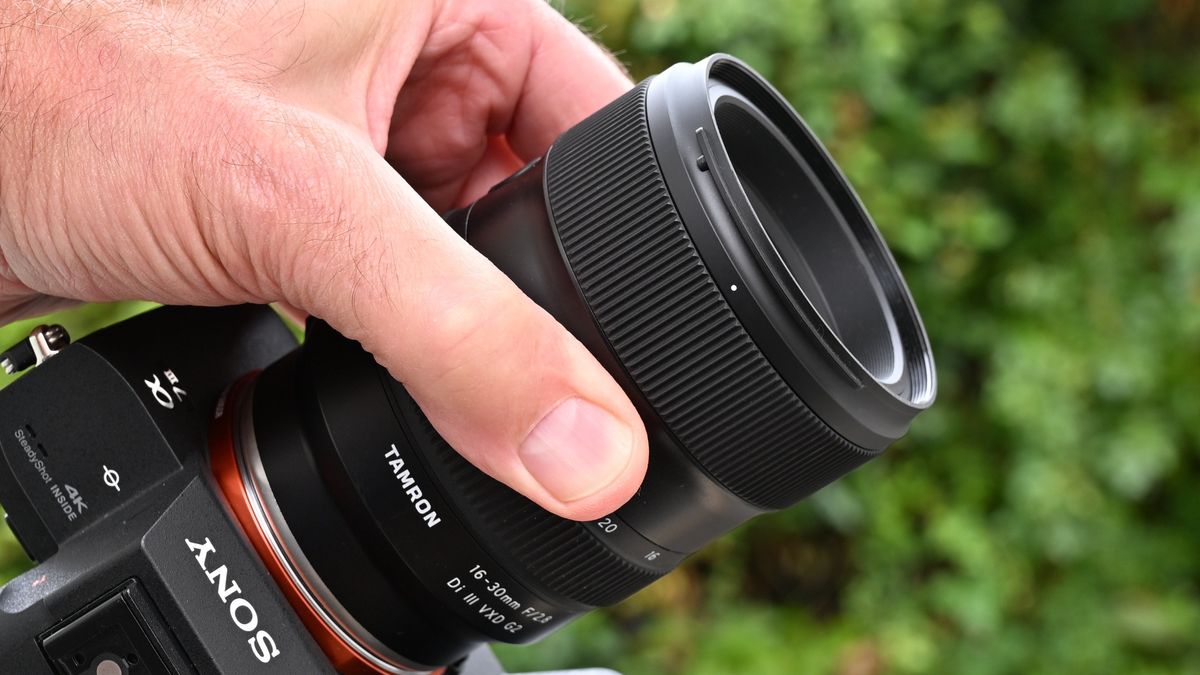
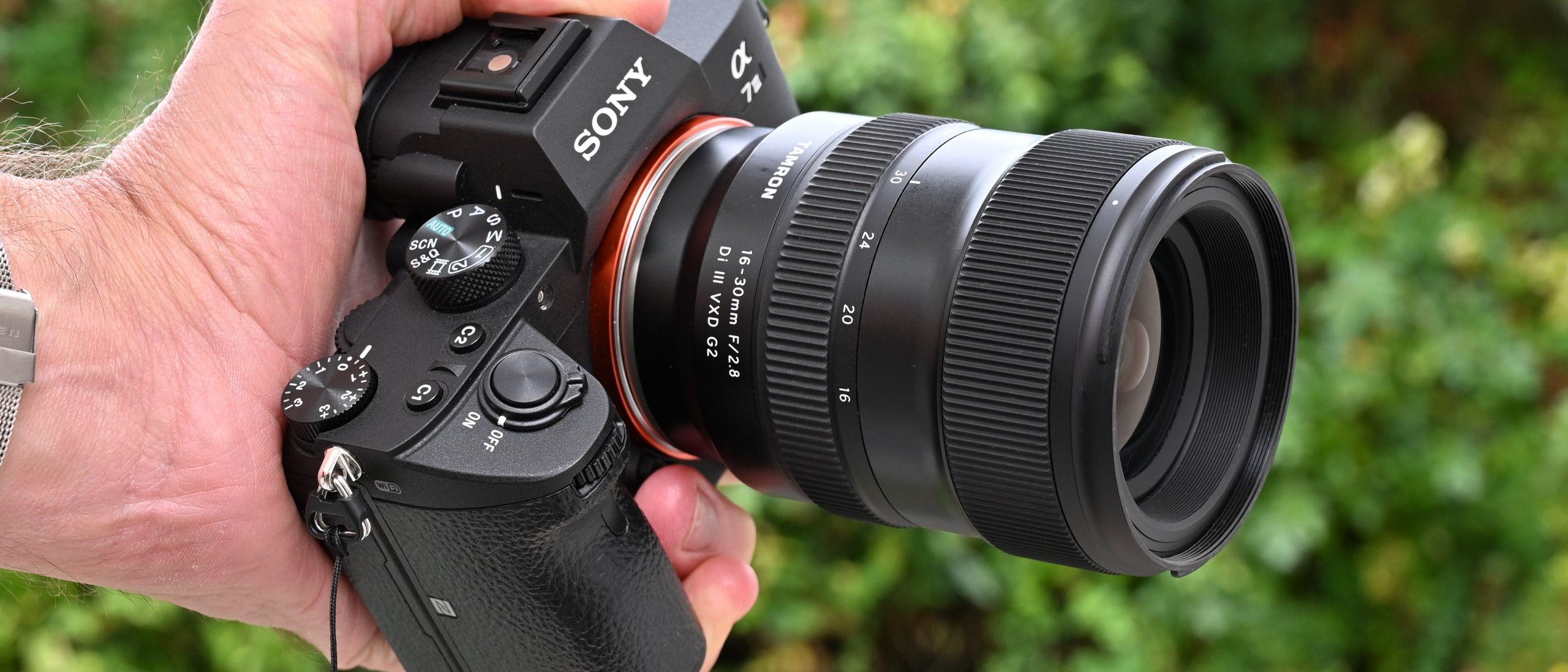
The rear zoom ring is mechanically coupled and marked at 16, 20, 24 and 30mm. The front focus ring is electronic, as the voice-coil motor requires.
Autofocus that keeps up
The VXD voice-coil motor is a clear step past the 17-28mm: quick to lock, and smooth enough for video focus pulls as well as subject tracking in stills.
“the new one is really rapid and virtually silent”
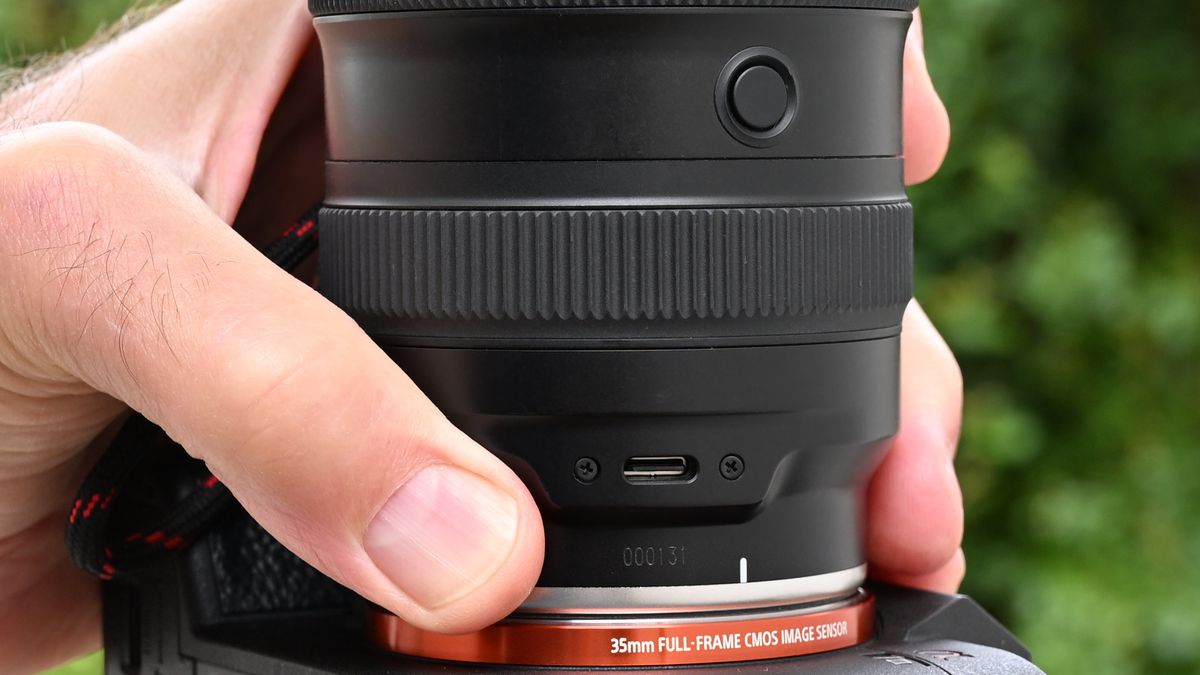
A button under your thumb
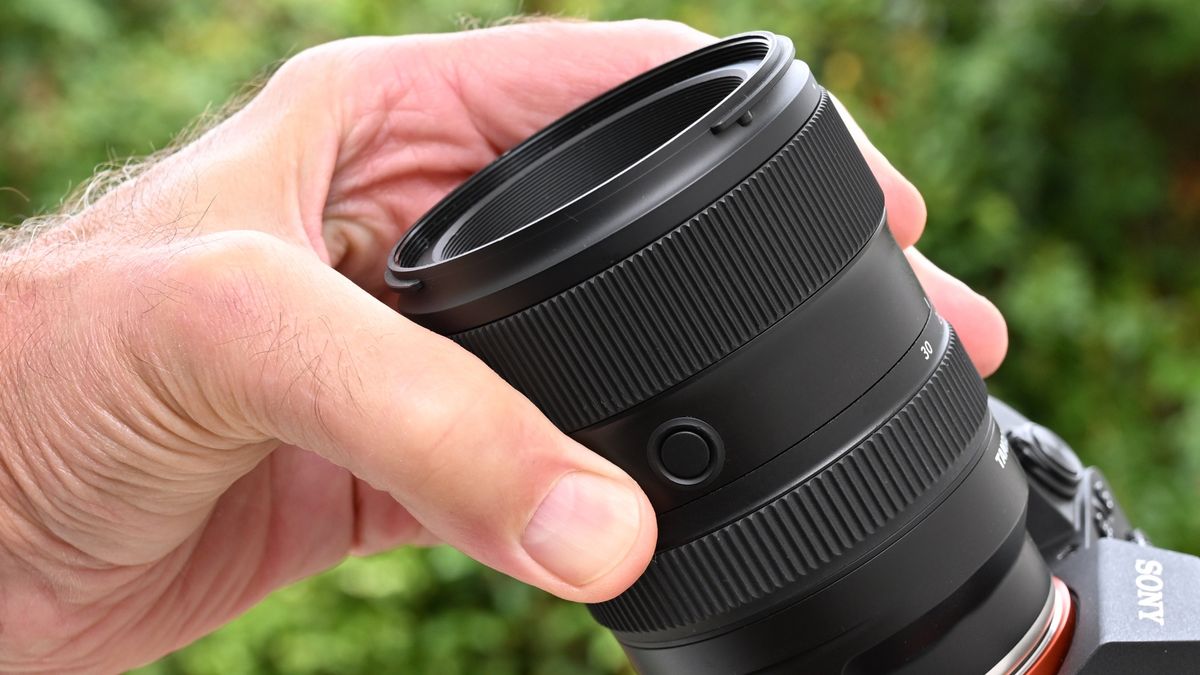
A customizable barrel button defaults to AF-Hold and falls right where your thumb sits holding the camera horizontally. There's no second one up top for upright shots.
Hood and cap done right
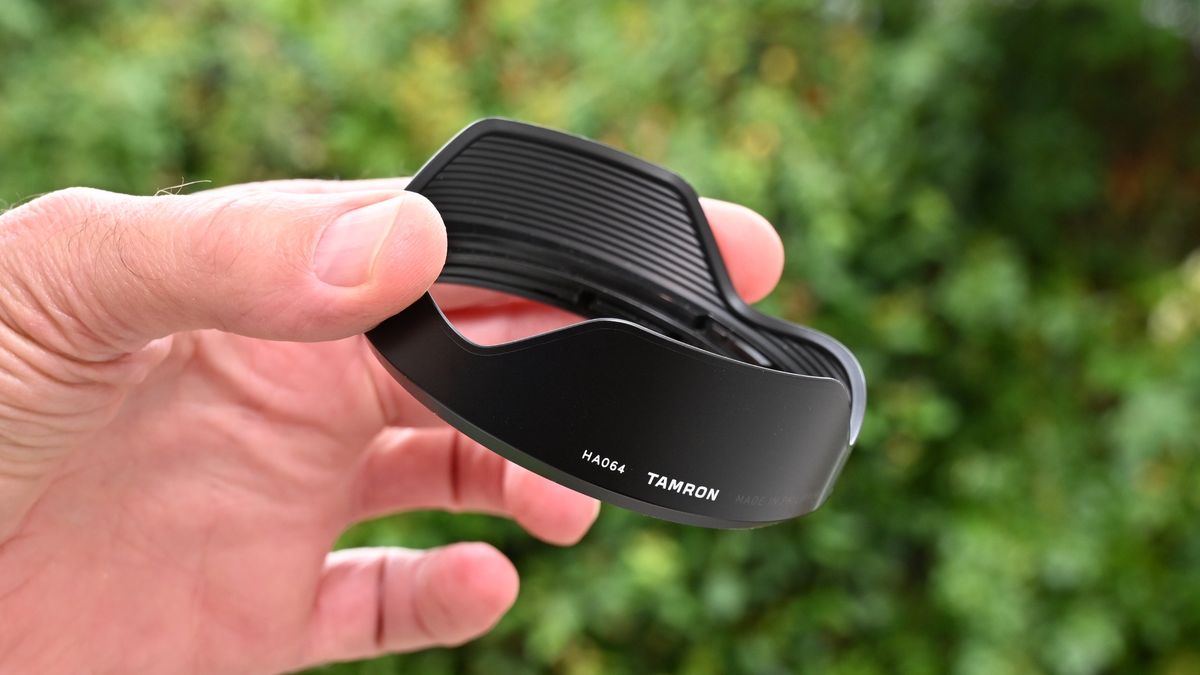
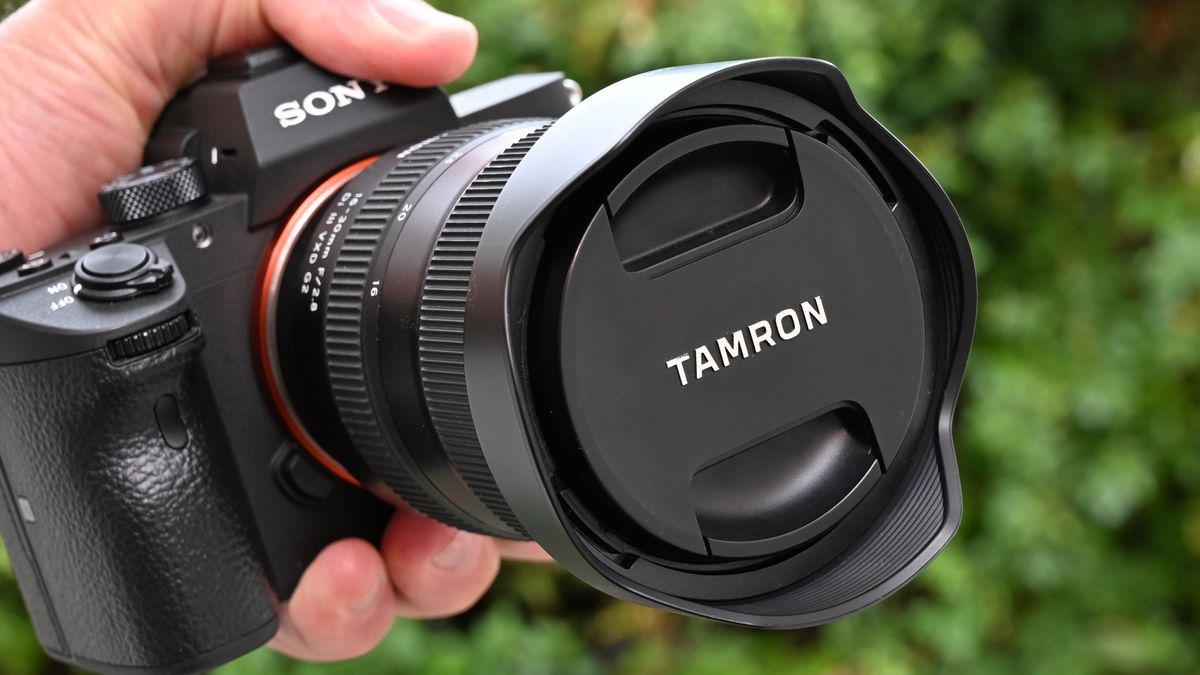
The petal hood bayonets on, reverses for storage, and adds little length facing forward. A pinch-action cap still comes off with the hood in place.
USB-C on a lens
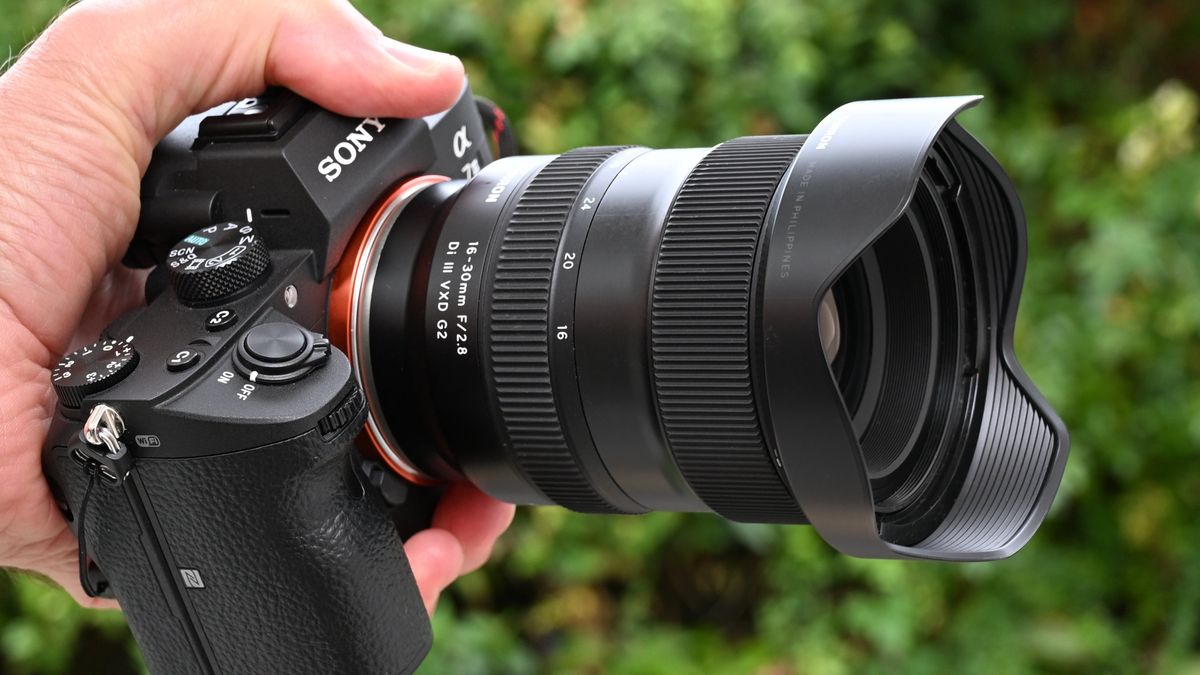
A port on the barrel connects to the Tamron Lens Utility app for firmware updates and custom tuning. An optional Bluetooth adapter does the same wirelessly.
Sealed for bad weather
A metal mounting plate with gold-plated contacts carries a rubber gasket, backed by more seals at joints along the barrel. The sample shoot ran in steady rain.
Sharp into the corners
Ultra-wides usually go mushy at the frame edges, including some very expensive ones. This holds detail corner to corner across the zoom range, and resists flare well.
“the Tamron has real star quality in delivering excellent sharpness from the center of the frame right out to the extreme edges and corners”
Blur from a wide lens
Close focusing plus f/2.8 at 30mm gets the depth of field thin enough to lift a subject off its background, with smooth bokeh. Not the usual ultra-wide trick.
No crutch from corrections
Most compact mirrorless wides lean on in-camera correction you can't switch off. Here the profile is optional, and the optics hold up on their own without it.
What the lab found
Center to mid sharpness is strong wide open and better one stop down. Chart corners read soft, normal for the type. Barrel distortion at 16mm is minimal.
“Color fringing is very negligible”
The two catches
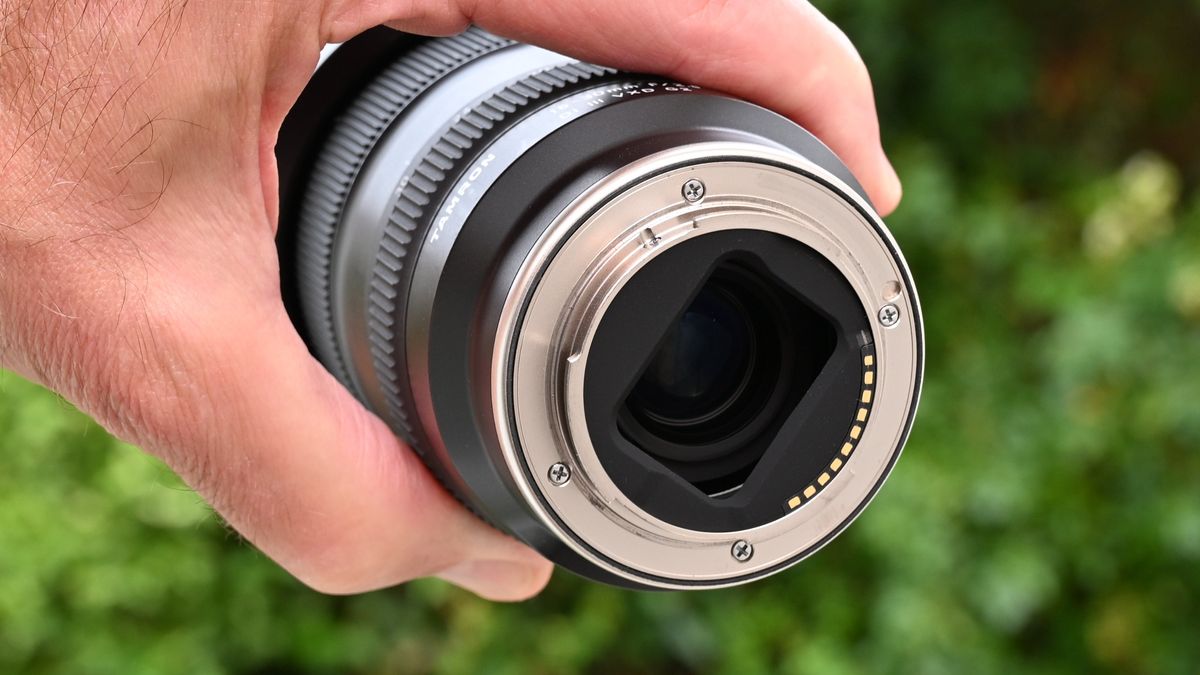
There's no AF/MF switch on the barrel, and it comes only in Nikon Z and Sony E. Shoot either and it massively undercuts a regular trinity wide.
“it's a cracking lens at a very reasonable price”
The main idea
If you shoot Nikon Z or Sony E, this gets you trinity-grade wide-angle performance at 450g and under $1,000, and it takes normal screw-on filters.