From Digital Camera World · · 4m
The eclipse of the century, and where to stand for it
August 2, 2027 brings 6 minutes and 22 seconds of totality, and Luxor is only one of thousands of miles of options.
In brief
August 2, 2027 brings 6 minutes and 22 seconds of totality, and Luxor is only one of thousands of miles of options. Pick your location from the photograph you want, not from the longest totality number, then plan to spend most of those minutes looking up. Originally reported by Digital Camera World.
Six minutes of darkness
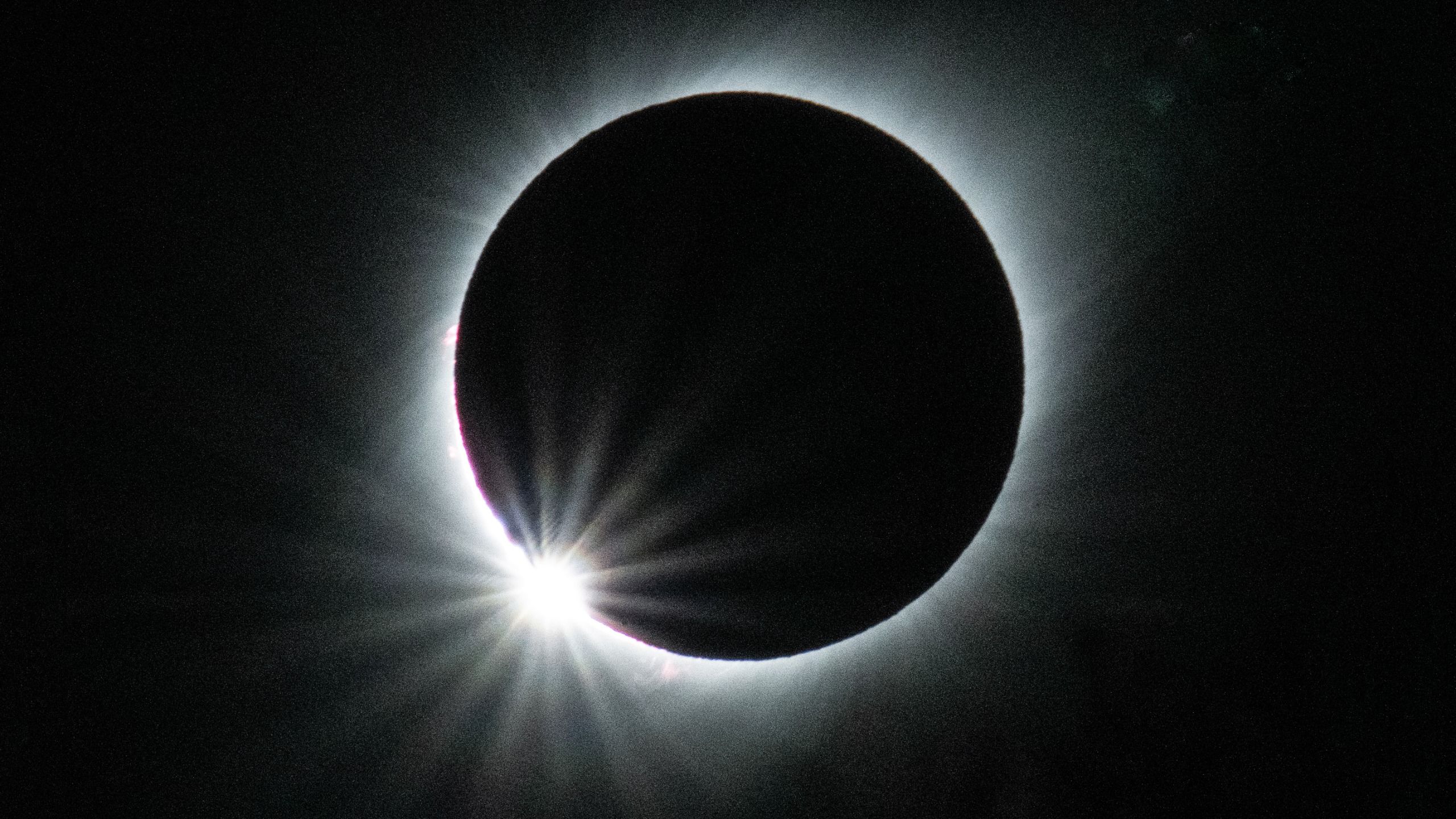
On August 2, 2027, Luxor gets 6 minutes and 22 seconds of totality. Nothing longer arrives until 2114.
“the longest until 2114”
The shadow's long road
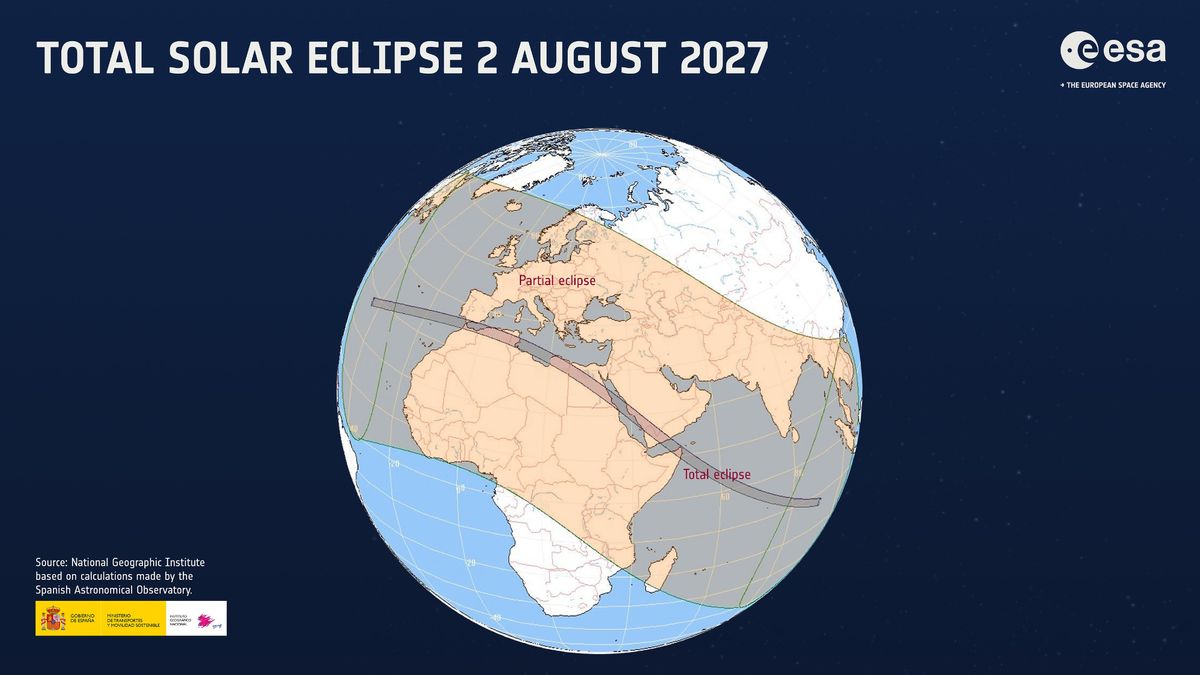
The moon's shadow crosses southern Spain and Gibraltar, then sweeps across North Africa and the Middle East. Thousands of miles of track, plenty of it in familiar holiday country.
Duration is not the point
Clear-sky odds are good along most of the route. Solar altitude, landscape, heat, road access and mobility can all matter more than a few extra seconds.
Start with the photo
Decide the image you want to bring home first, then find the place that makes it. Location follows composition, not the other way round.
“there's only one way to plan an eclipse trip - start with the photograph you want to come home with”
Inside the path or nothing
You must be within the path of totality. A 99% partial eclipse is not a lesser version of the same event, it is a different event entirely.
“A 99% partial solar eclipse is not remotely the same thing”
Skip the centerline
Drifting toward the path's edge costs surprisingly little duration and can buy you better foreground, clearer weather or an easier drive in.
Tools that do the math
Xavier Jubier's interactive map shows the track. The Photographer's Ephemeris, PhotoPills and PlanItPro give you sun altitude and azimuth from any spot you're considering.
Work back from the foreground
Want a castle, mosque or temple under the black sun? Figure out where you actually need to stand. It might be hundreds of meters or several kilometers away.
The sun sits too high
At the Strait of Gibraltar the eclipsed sun is about 38 degrees up in the southeast. By Luxor it's around 82 degrees, nearly straight overhead.
Gear in 40 degree heat
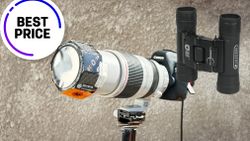
Pointing a long lens near vertical in over 104F needs a tripod head that can hold it. Shade your kit before totality, keep batteries cool, watch for overheating in video.
Spain, the easy option
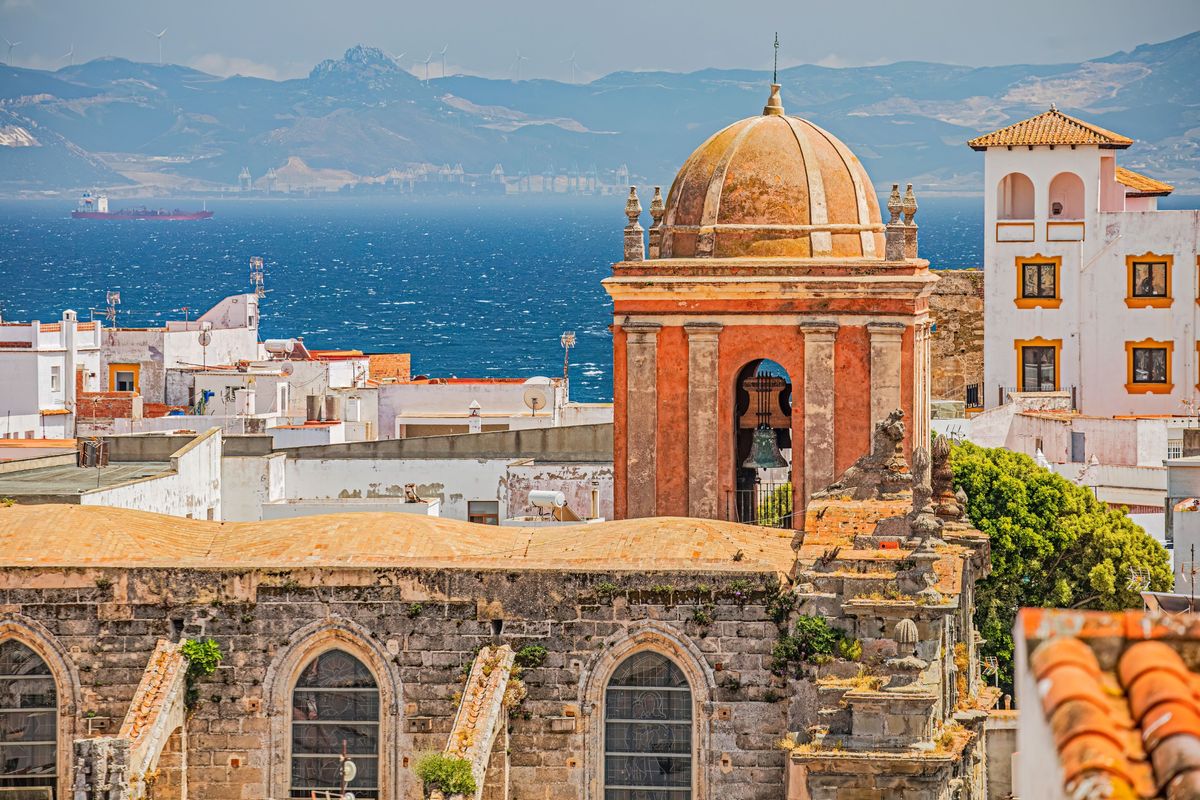
Totality is shorter but the sun is low in the southeast, easy to pair with beaches and mountains. Malaga gets 1:54, Cadiz 2:56, and Tarifa 4:40 near the centerline.
Morocco's low sun
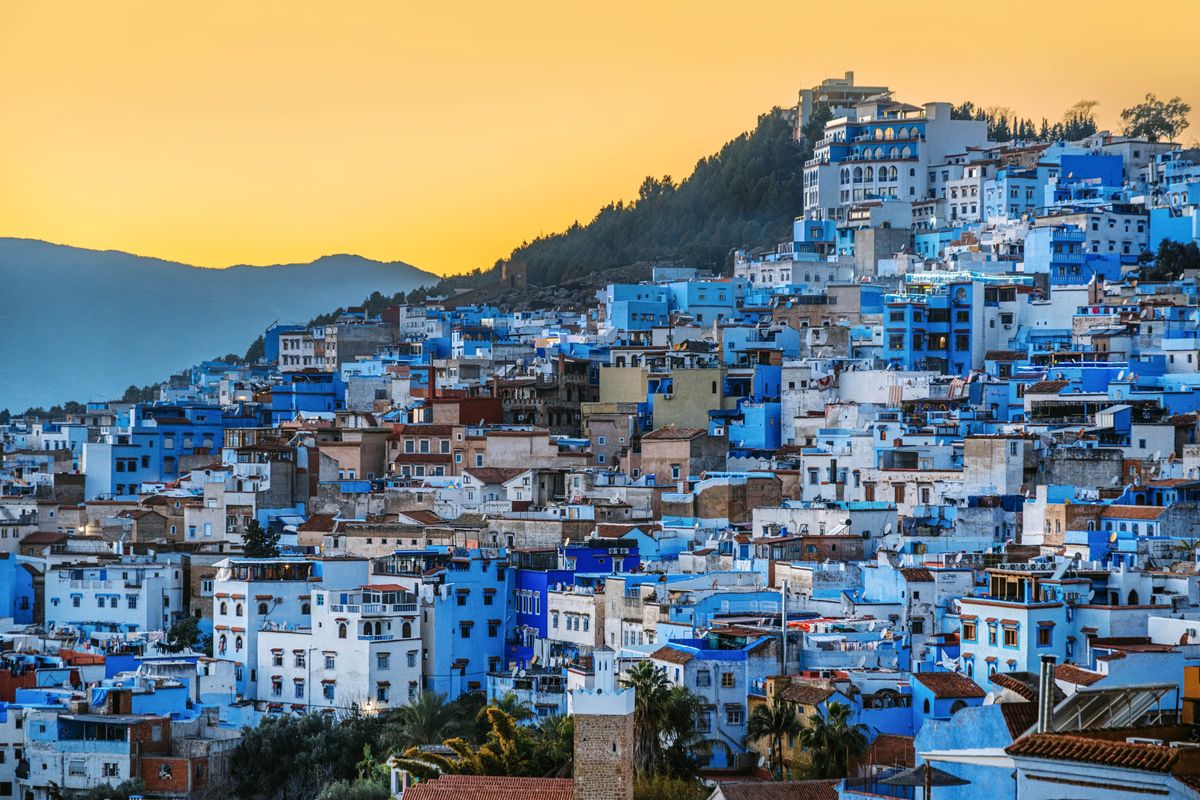
Almost five minutes with a low sun over coastlines, medinas and the Rif. Tangier 4:50, Tetouan 4:51, and blue-painted Chefchaouen 3:39 if you'll trade a minute for the view.
Algeria off the circuit
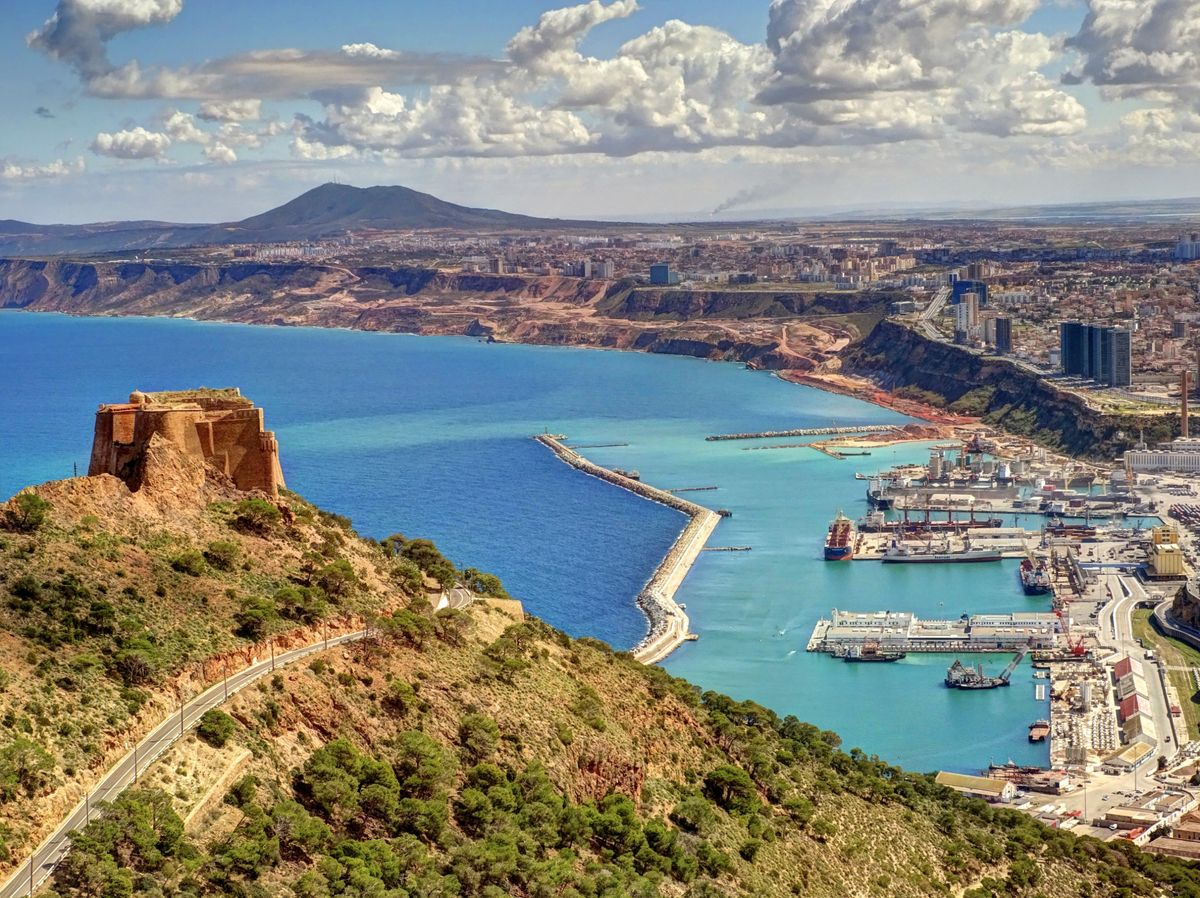
Far from the tour crowds. Oran gives 5:09 with Santa Cruz fort above the Mediterranean, Mostaganem 5:07, and inland M'Sila 5:22 with arid skies and strong clear-sky odds.
Tunisia, desert or coast
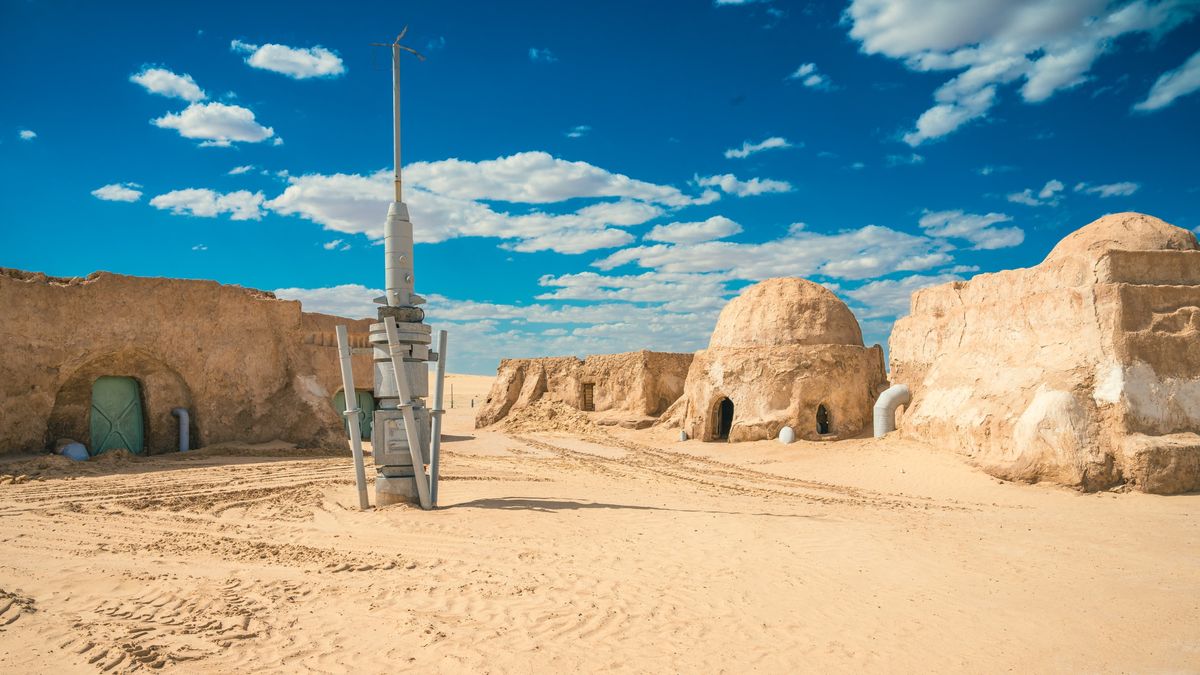
Tozeur gets only 1:43 but sits beside the Mos Espa Star Wars sets. Sidi Bouhlel, the Star Wars Canyon, gets 3:09. Coastal Sfax gets 5:41 with good infrastructure.
Luxor's crowded prize
Maximum totality, reliable skies, famous monuments. Also huge crowds, scarce rooms, and likely restrictions at Karnak and the Valley of the Kings.
“Dust, extreme heat and a throng of humanity may be bigger concerns than clouds”
Boats make bad tripods
Many visitors will watch from Nile cruise boats. A vibrating deck ruins long-lens work, and nearby boats bring engines, music and lights during totality.
Look beyond the Nile
Esna and Edfu have major temples inside the path, Kom Ombo sits near its southern edge, and Siwa Oasis offers 5:31 over dunes and salt lakes. All quieter than Luxor.
Let a 360 camera work
Set one on a tripod, start it early, walk away. It captures the incoming shadow, the twilight horizon and the reactions, and there is nothing to operate during totality.
Spend the time looking up
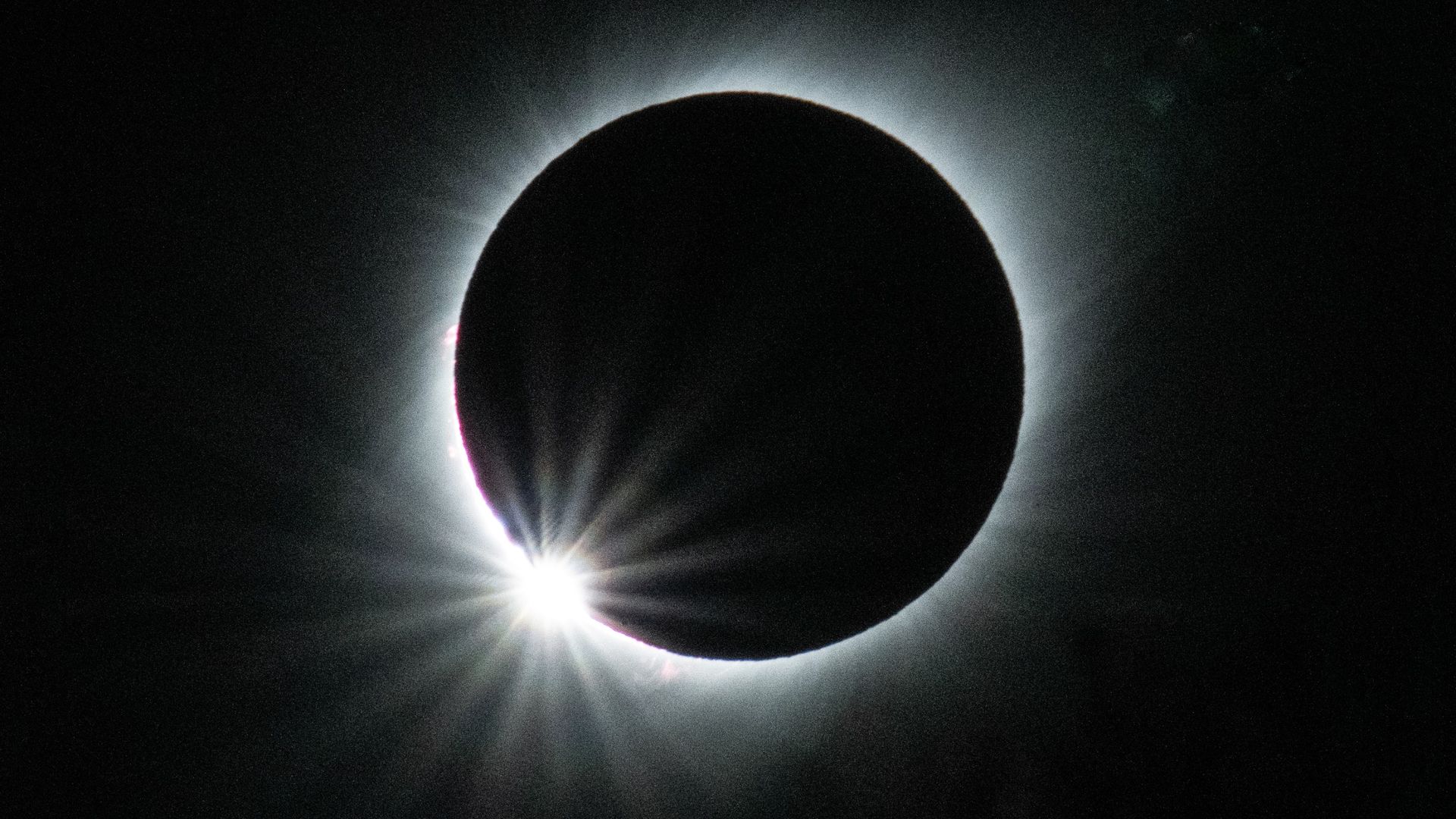
The best frame may be the landscape in twilight or someone's face, not a perfect corona. Rehearse, automate, keep a cloud plan B, then put the camera down.
“you should spend as little time as possible operating cameras and as much as possible looking up”
Here's the gist
Pick your location from the photograph you want, not from the longest totality number, then plan to spend most of those minutes looking up.