From Digital Camera World · · 2m
The New York photos Baldwin Lee hid for 47 years
A young photographer drove into Manhattan before dawn to shoot streets with nobody in them, then put the pictures away for four decades.
In brief
A young photographer drove into Manhattan before dawn to shoot streets with nobody in them, then put the pictures away for four decades. Street photography does not have to chase people. Lee found the city's character in empty pavement, worn storefronts and parked cars. Originally reported by Digital Camera World.
Up before the city
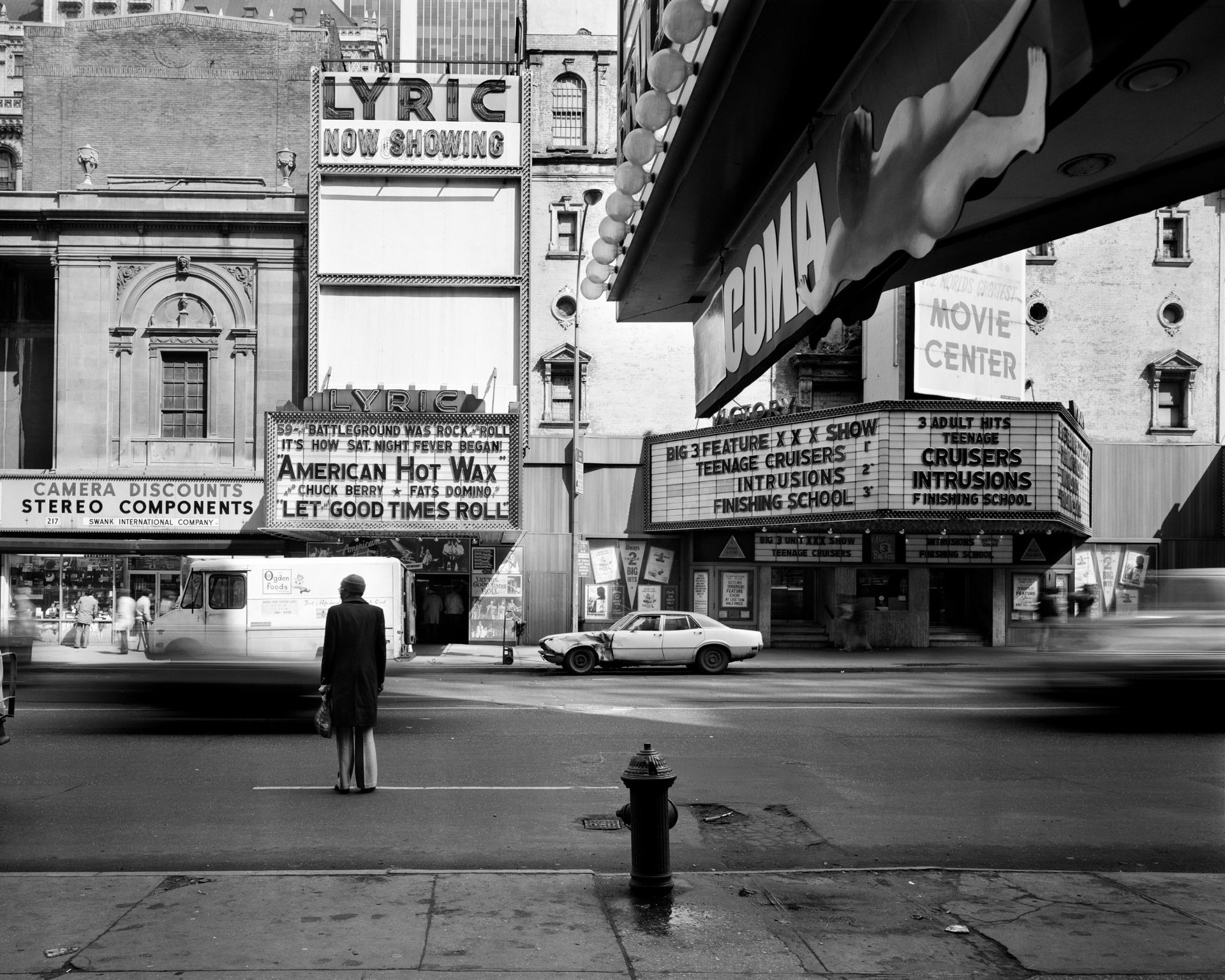
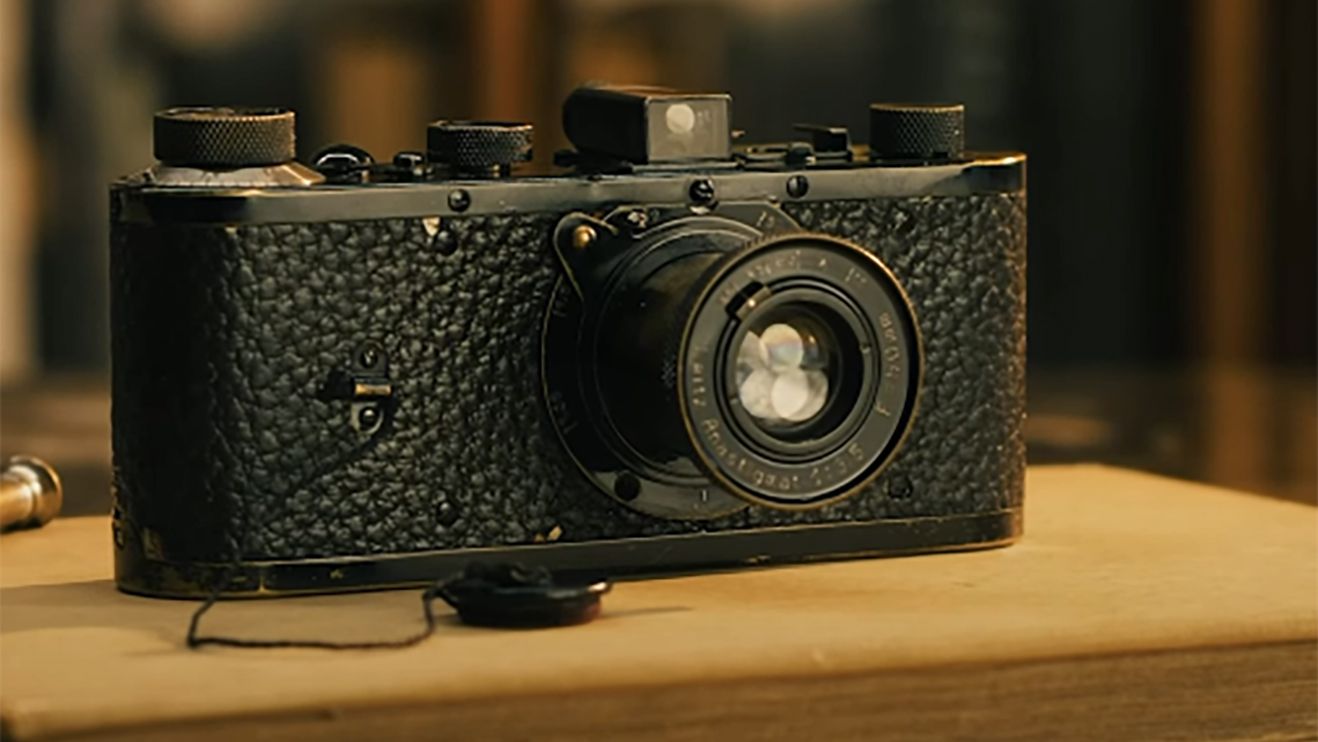
From 1975 to 1979, Baldwin Lee set a pre-dawn alarm, drove from New England into Manhattan, and carried a wooden camera onto pavements he wanted empty.
One sheet at a time
He was working in large format for the first time: a 4x5 view camera, a dark cloth over his head, one sheet of film per exposure. Patience rewarded, movement punished.
Why empty streets
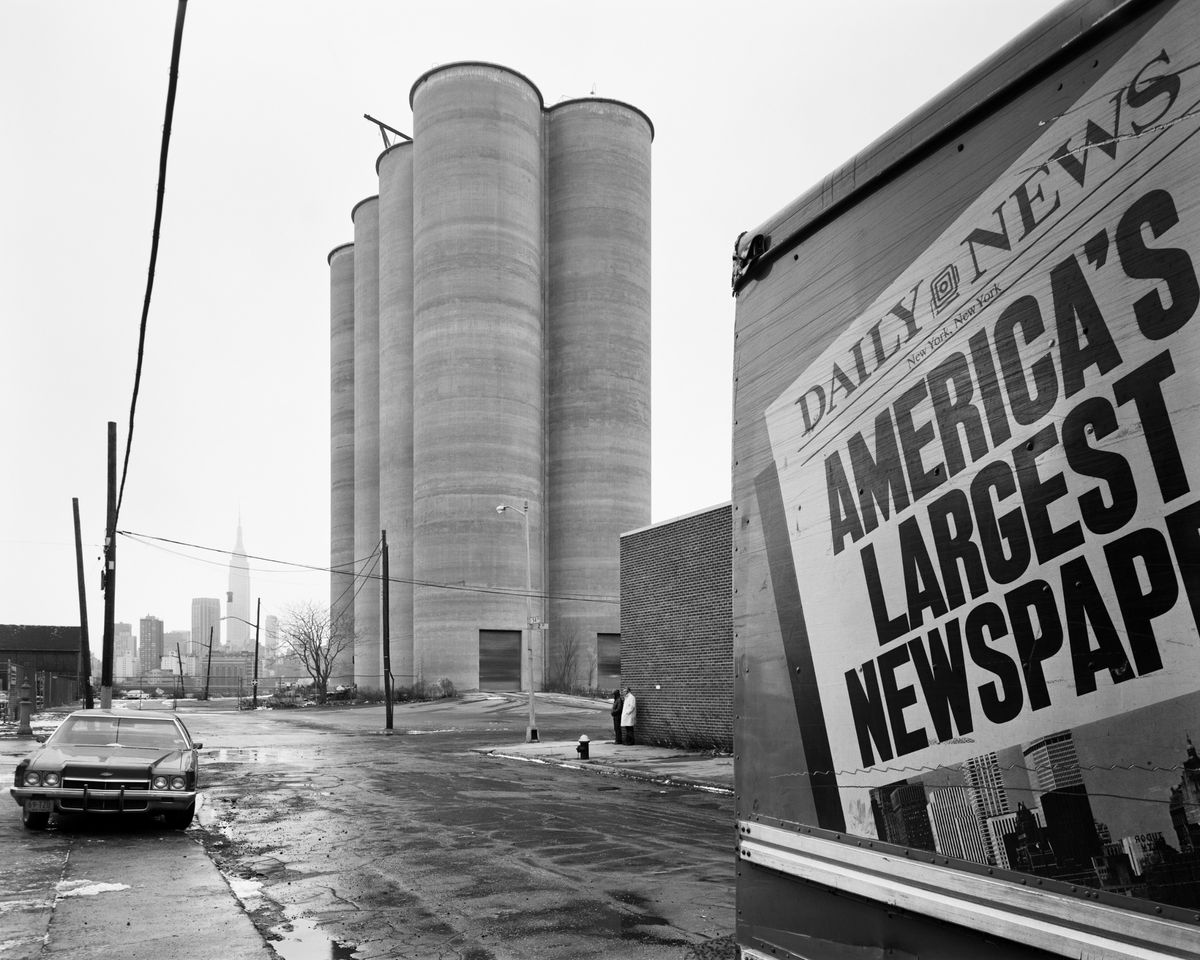
Point a view camera at rush hour and you get blurred legs and cab roofs. Point it at a bare street and you get doorways, fire escapes and the Empire State Building held in perfect detail.
Winter, and a private garden
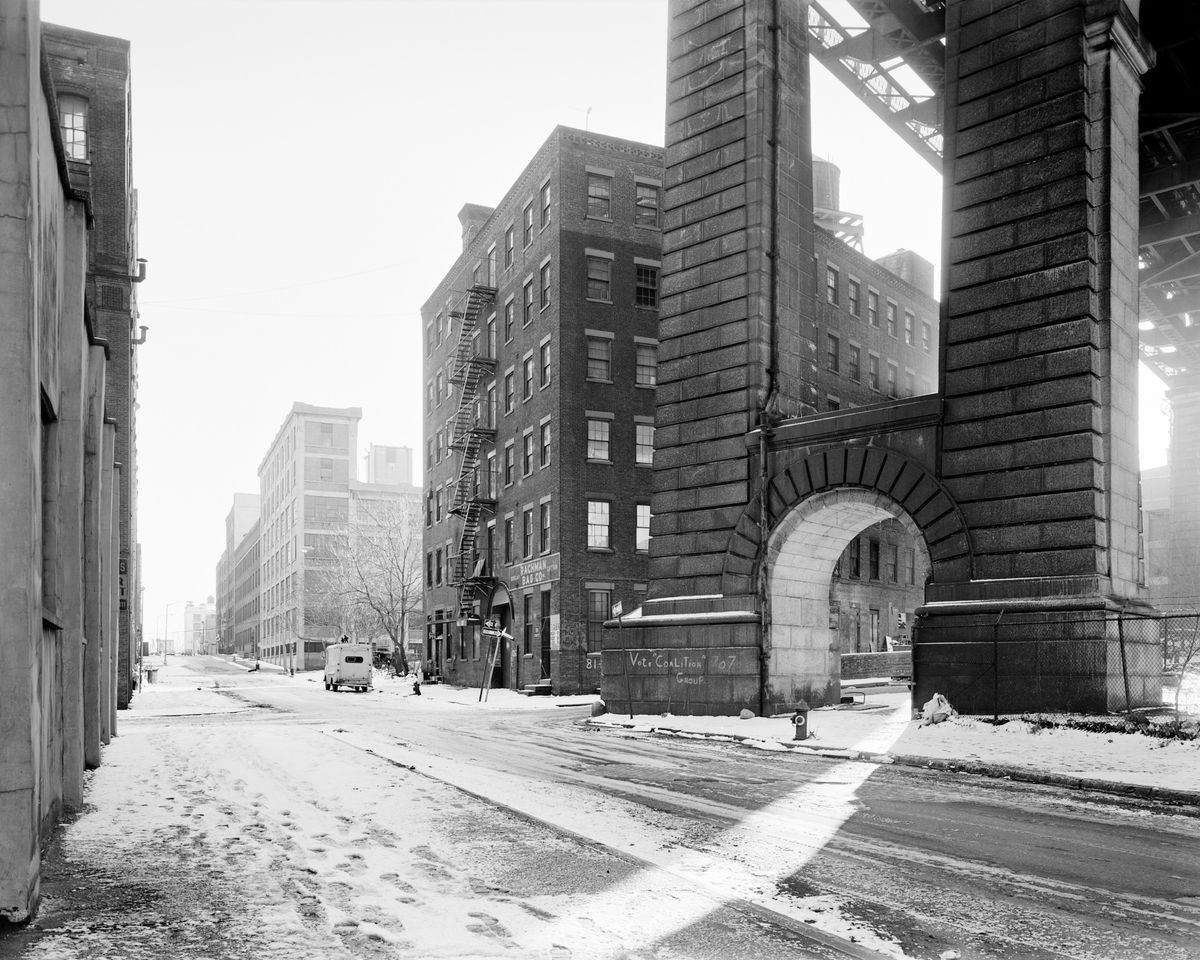
He went out mostly in winter, when sidewalks were closest to bare. He described buildings as organic forms and the city as a landscape rather than architecture.
“Early in the morning, with no one around, I felt an overwhelming intimacy.”
The opposite of street photography
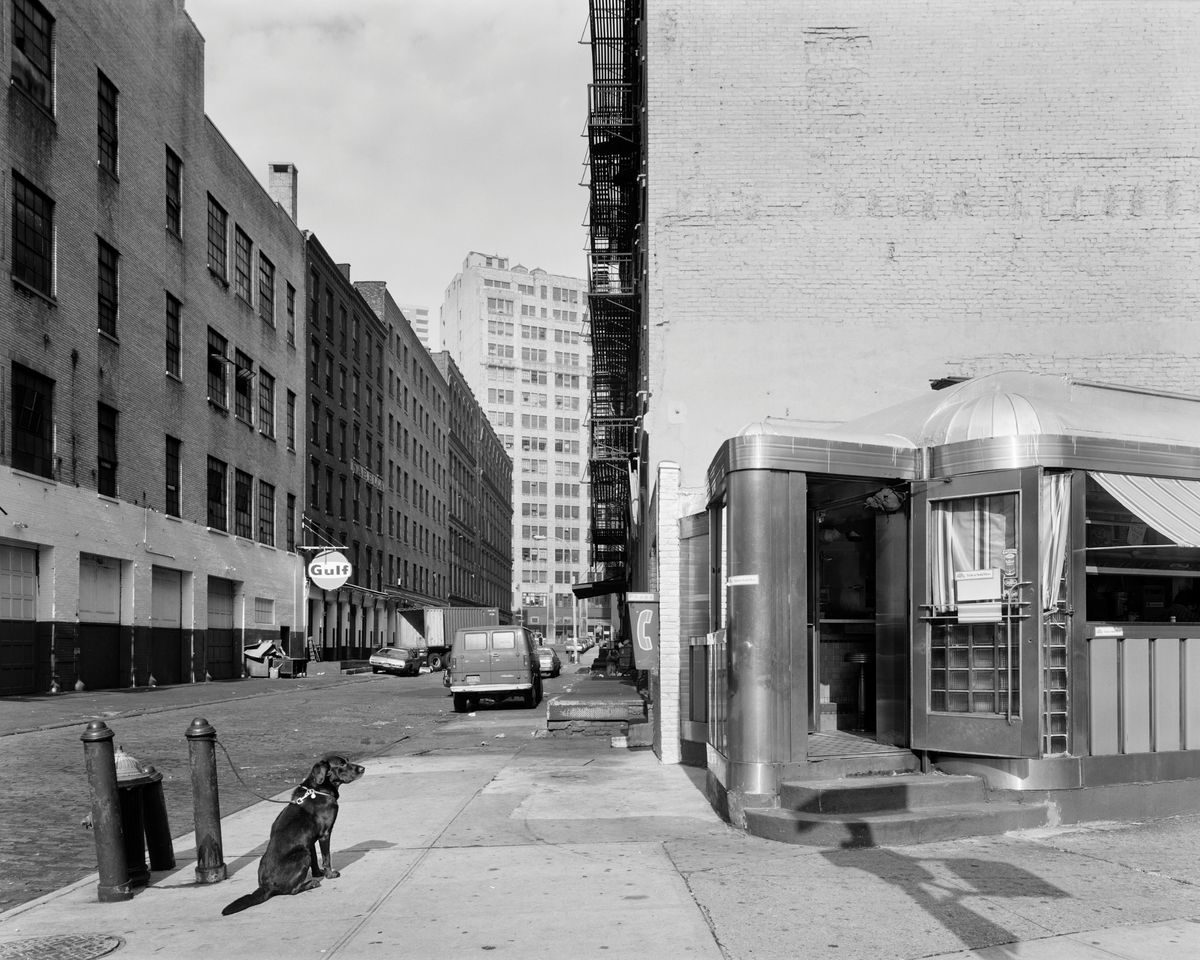
Most street work chases crowds, gesture and the decisive moment. Lee found stillness in places that would be teeming with life an hour later.
Compositions, not fragments
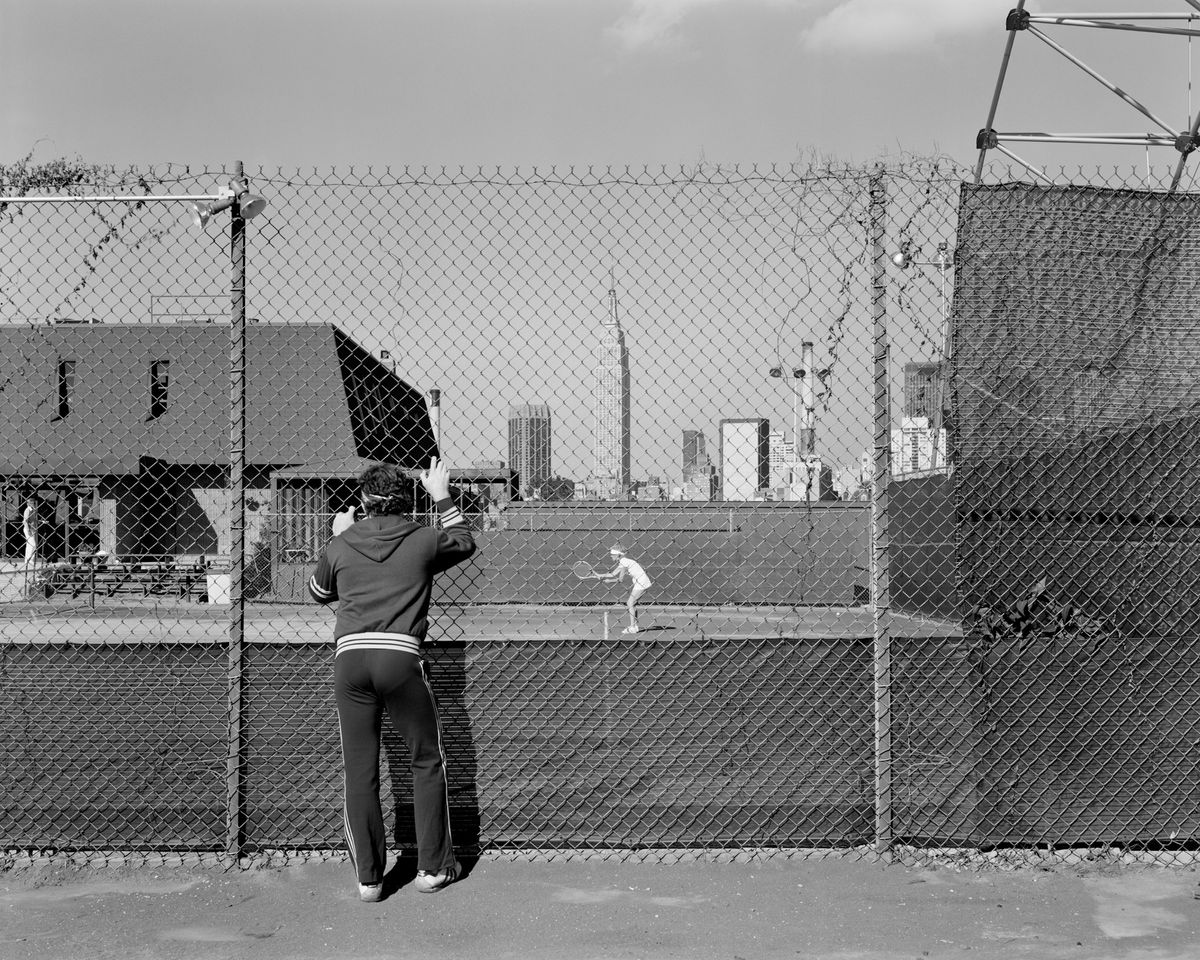
A tennis court fenced off from the skyline. A dog tied outside a shuttered booth. Nothing was going to move, so every frame had time to be built.
People without people
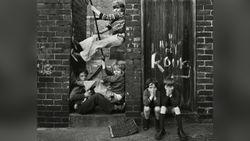
Human figures rarely appear, but you can read them in worn pavements, storefronts and parked cars. The city keeps the record of who walked through it.
“Their presence remains legible in the worn surfaces of streets and buildings.”
Shot first, seen last
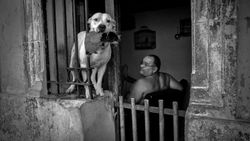
Lee moved to Knoxville in 1982 and made nearly 10,000 photographs of Black communities in the South, the work that made his name. The New York pictures open at Howard Greenberg Gallery on September 18.
The short version
Street photography does not have to chase people. Lee found the city's character in empty pavement, worn storefronts and parked cars.