From Digital Camera World · · 1m 40s
The photographer critics loved to hate
William Eggleston got savaged in 1976 for shooting tricycles and lightbulbs in color. A new London show shows who was actually wrong.
In brief
William Eggleston got savaged in 1976 for shooting tricycles and lightbulbs in color. A new London show shows who was actually wrong. The pictures never changed. The taste of the people looking at them did. Originally reported by Digital Camera World.
Godfather of color
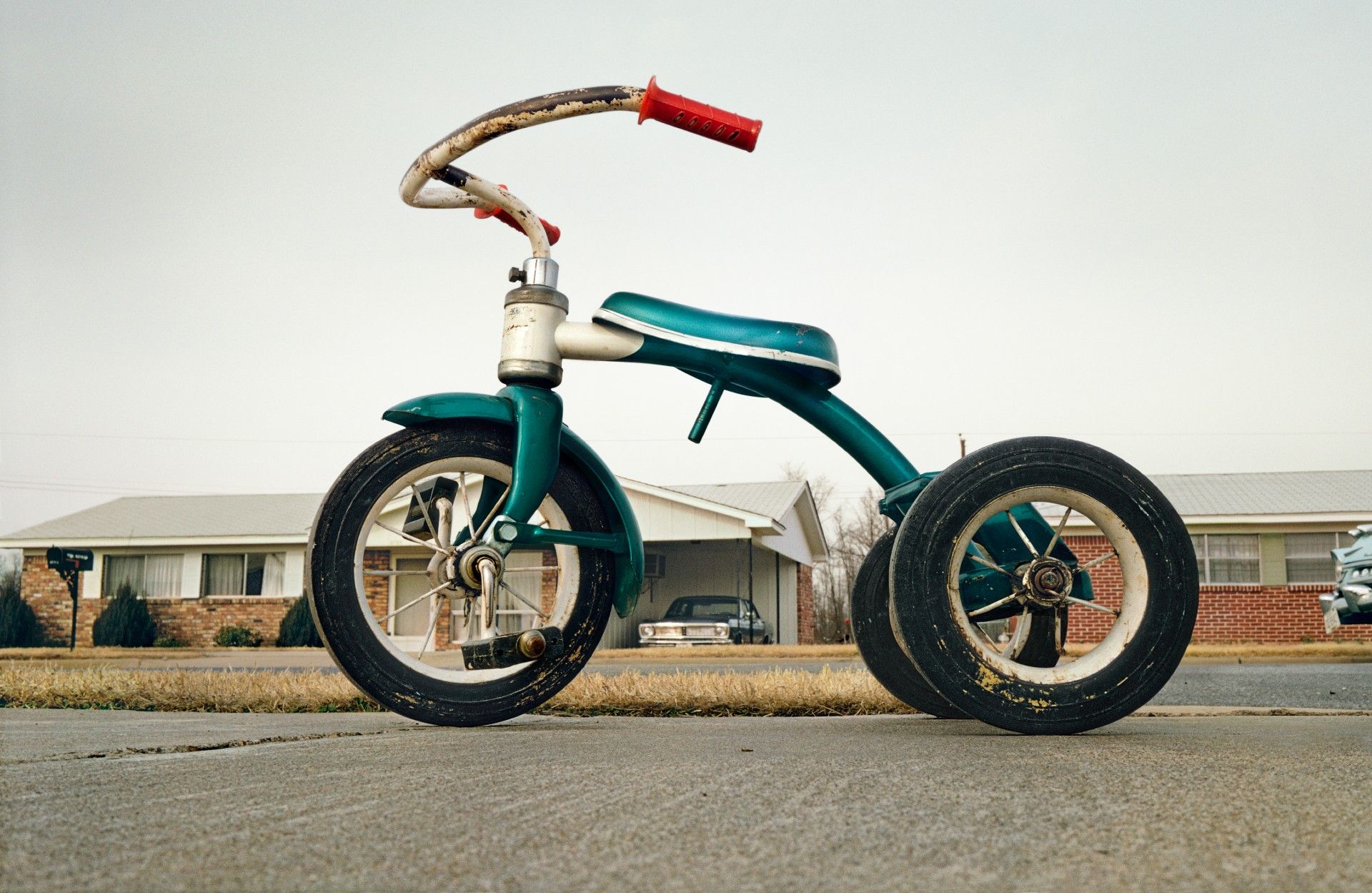
William Eggleston, now 87, is credited with making color photography a serious art form. A new London retrospective is a reminder that nobody handed him that title.
“Godfather of Color Photography”
Sixty years, one gallery
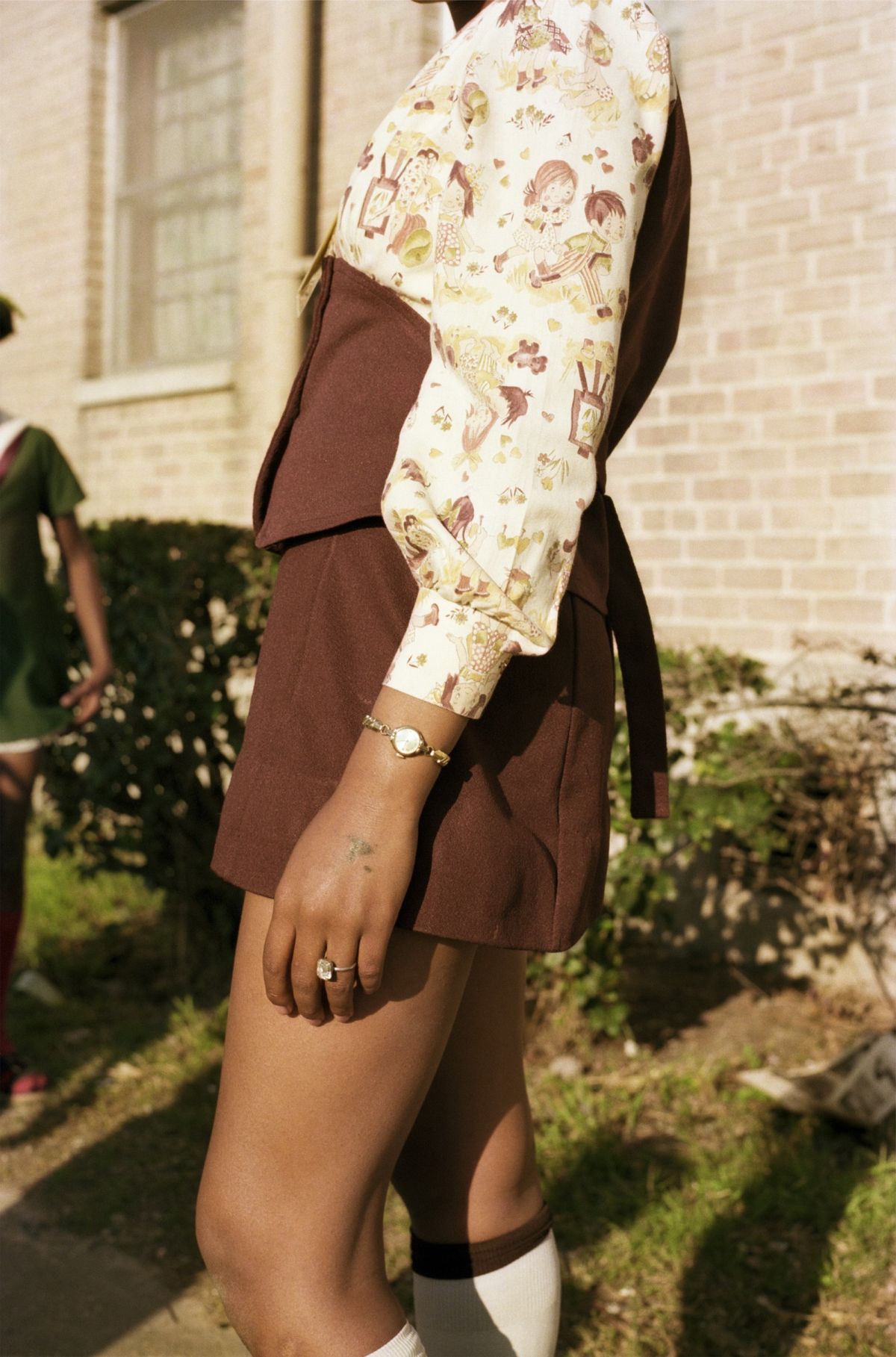
All That Goes Unnoticed runs at The Photographers' Gallery from October to February, covering six decades of work and gathering the images most people already half-remember.
The famous ordinary things
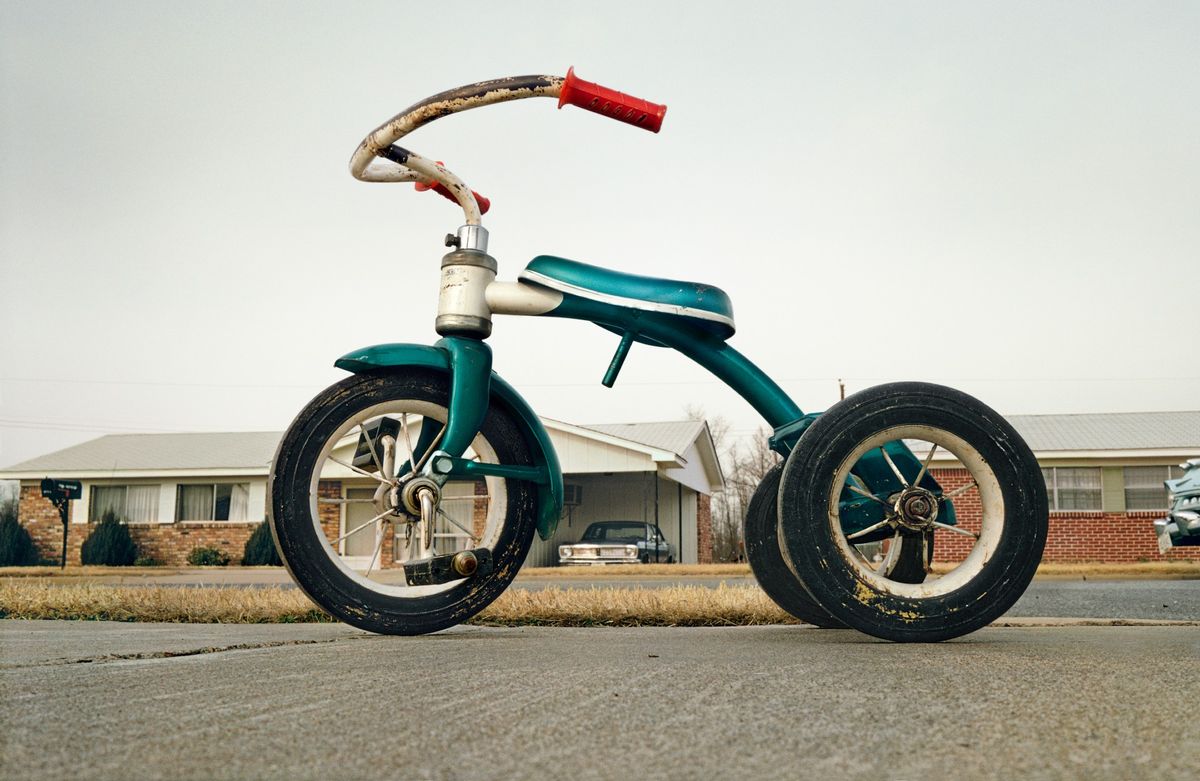
A rusted child's tricycle. A bulb hanging from a blood-red ceiling. A supermarket worker draped over a train of trolleys. Each got the same level attention.
Advertising's expensive process
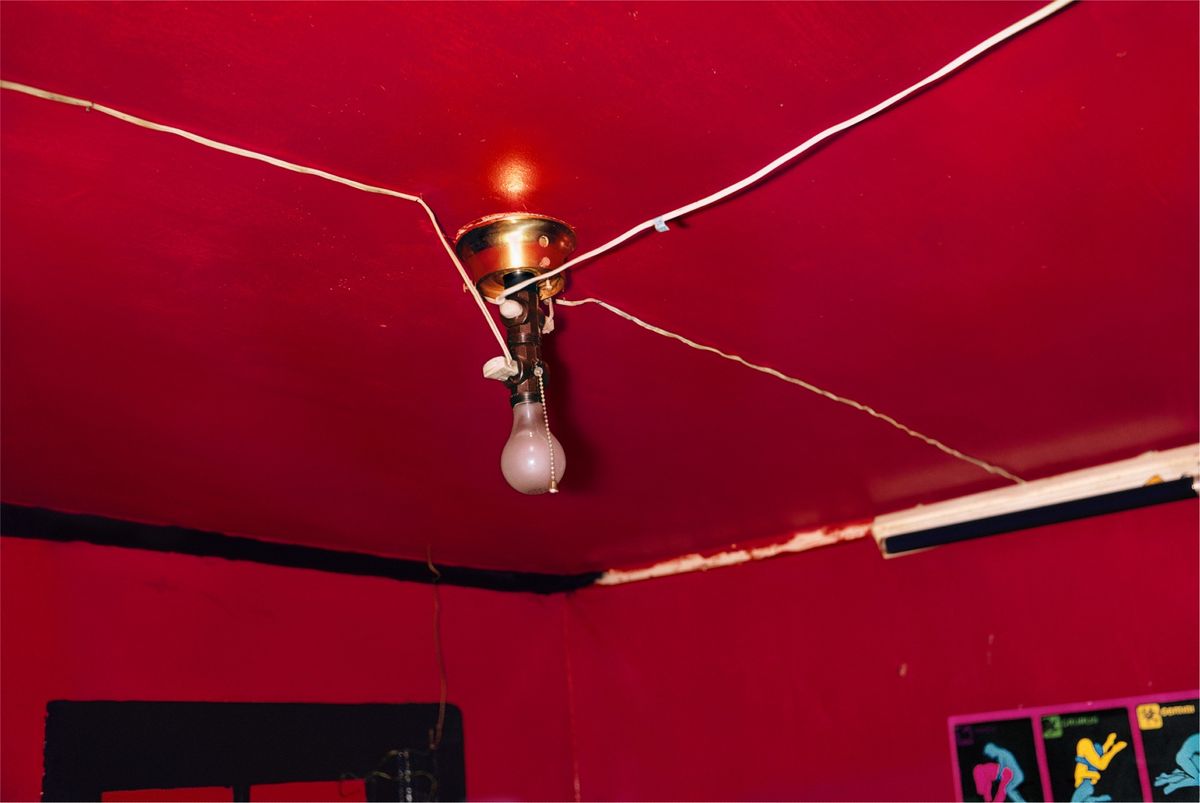
He printed in dye-transfer, a costly, painstaking method studios saved for whisky ads and car brochures. Anything that had to look irresistible.
“at war with the obvious”
Glamour aimed at nothing
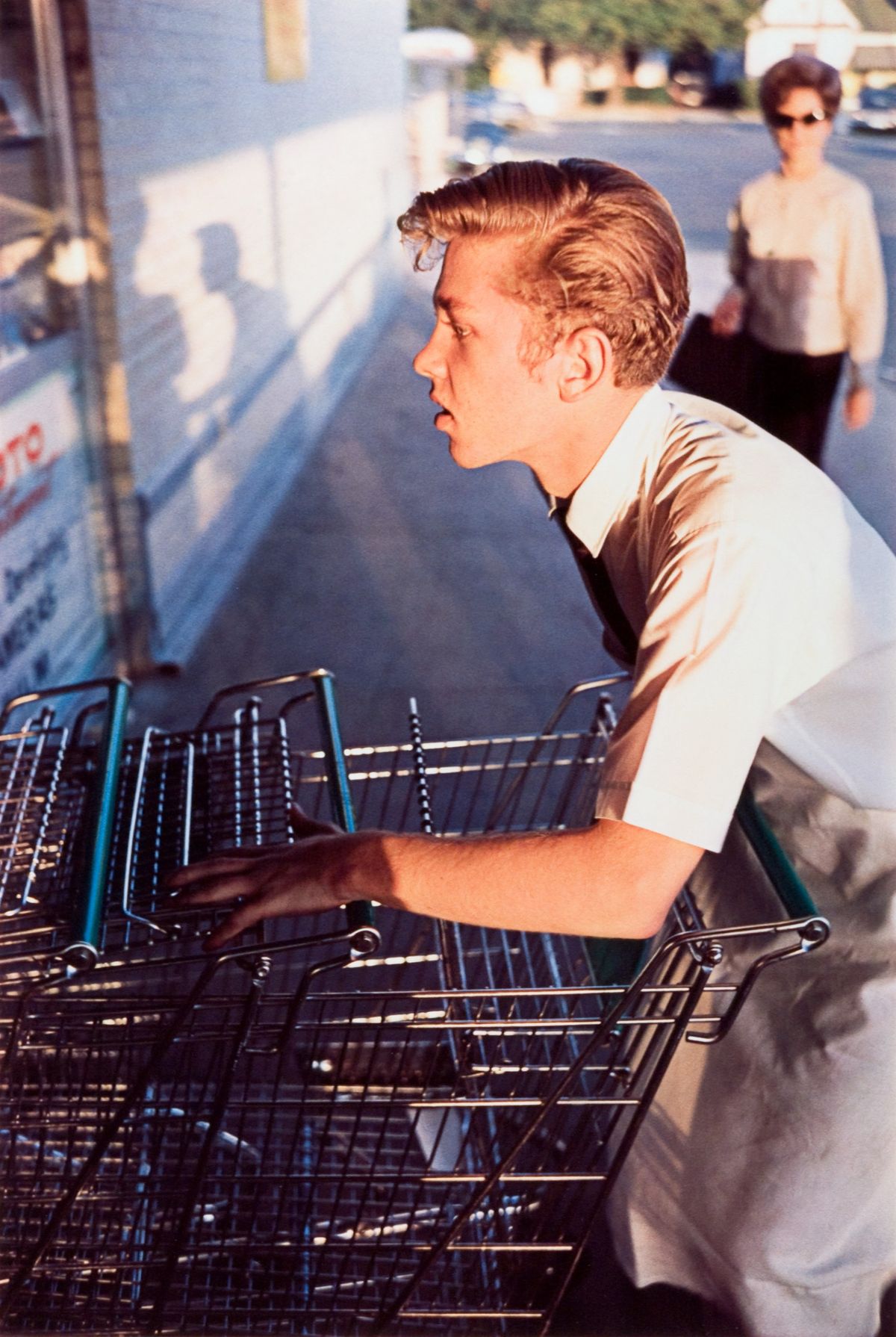
Pointing that precision at driveways and shop fronts was revolutionary in the 1970s. It also read, to many people, as a joke or an insult.
Brutal at MoMA, 1976
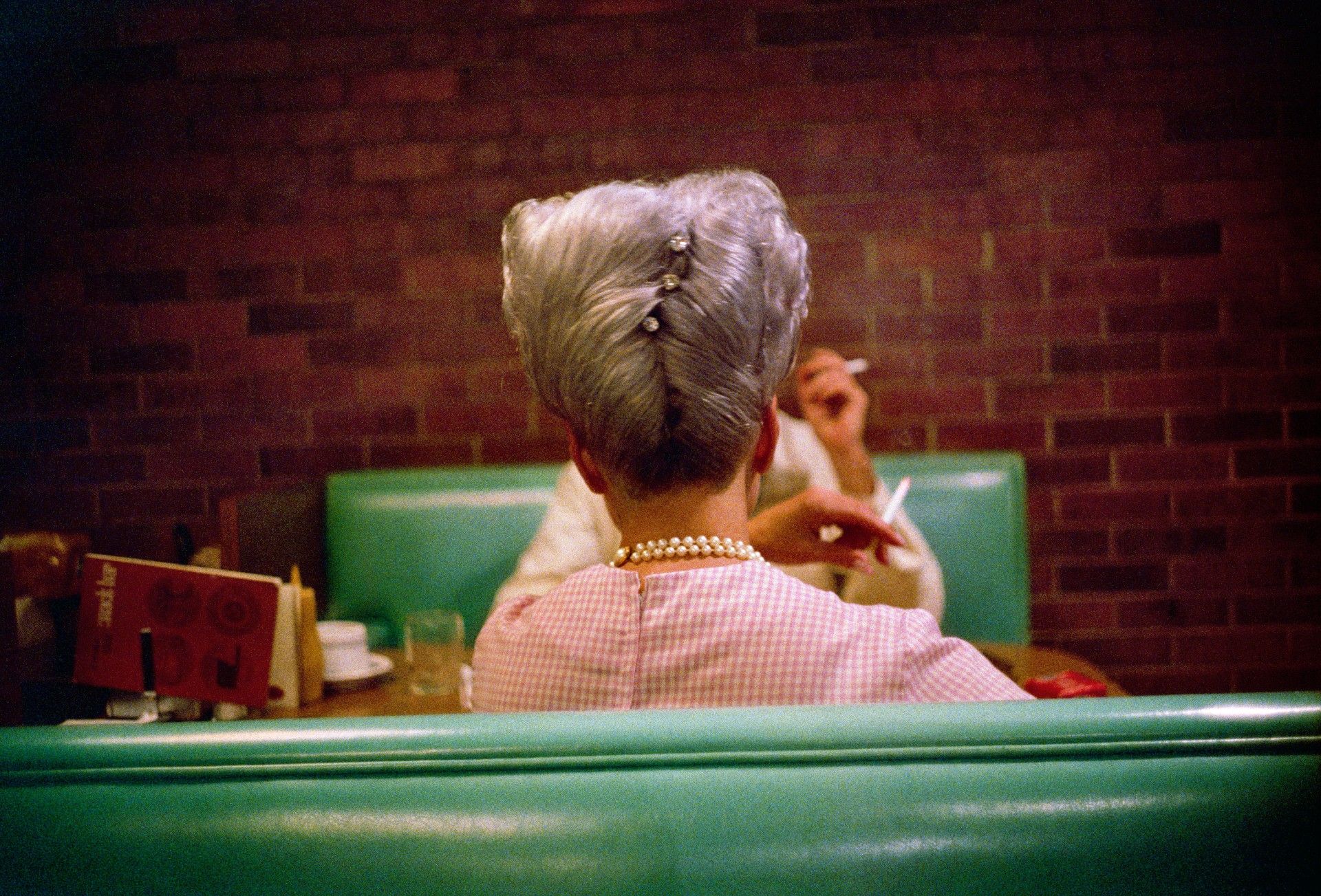
When the work first showed at MoMA, New York Times critic Hilton Kramer called it perfectly banal and perfectly boring, and dismissed the people in it as dismal figures.
“Perfect? Perfectly banal, perhaps. Perfectly boring, certainly.”
Most hated show of the year
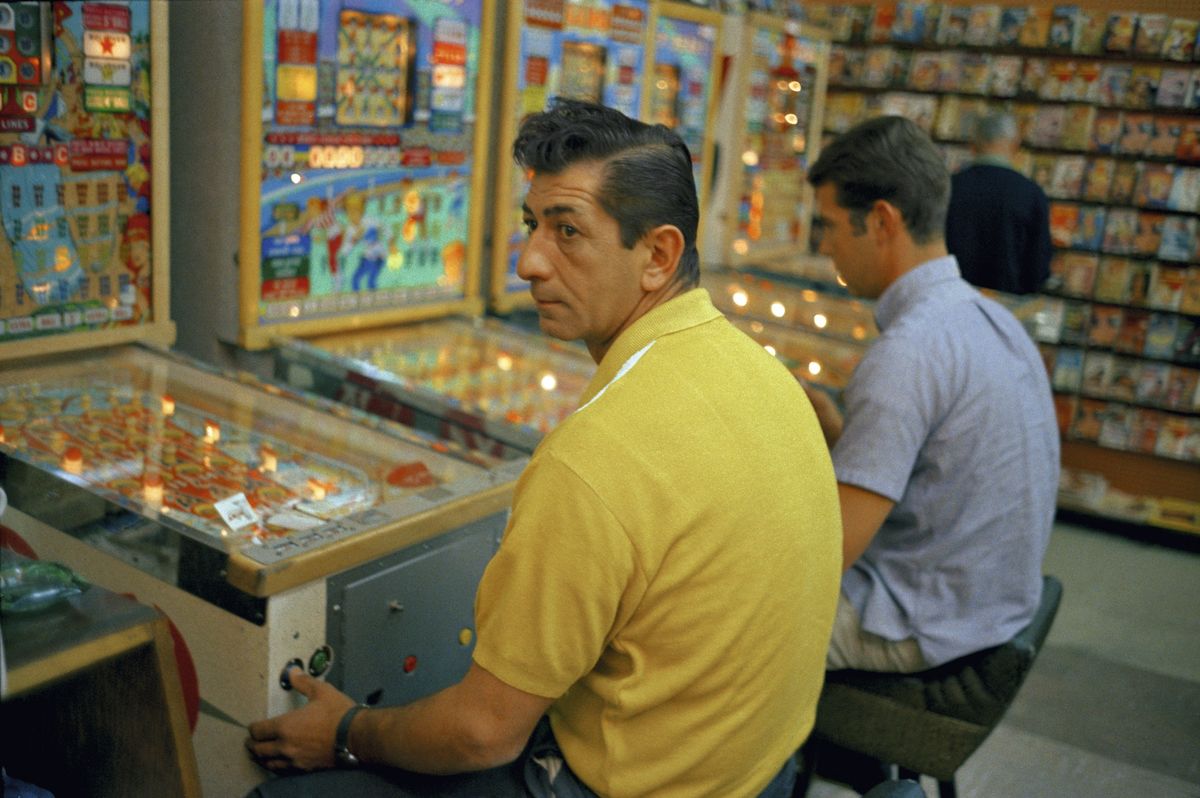
Another Times writer, Gene Thornton, reportedly voted it the year's worst. Color was still seen as a commercial medium, and only monochrome counted as art.
“dismal figures inhabiting a commonplace world of little visual interest”
He took the bad reviews

Half a century of photographers have since applied serious color to unserious subjects and been praised for it. Eggleston went first and absorbed the damage.
“It's the eye looking at them that needed time to catch up.”
The bottom line
The pictures never changed. The taste of the people looking at them did.