From Digital Camera World · · 2m
The photographer who shaped the sixties from 5,000 miles away
Sam Haskins created iconic 1960s photobooks from Johannesburg, not London, redefining how photographers approached fashion.
In brief
Sam Haskins created iconic 1960s photobooks from Johannesburg, not London, redefining how photographers approached fashion. Sam Haskins proved that creative innovation doesn't require being at the center of the action. Working from Johannesburg, he created influential photobooks that shaped 1960s fashion photography…
The photographer who shaped the sixties
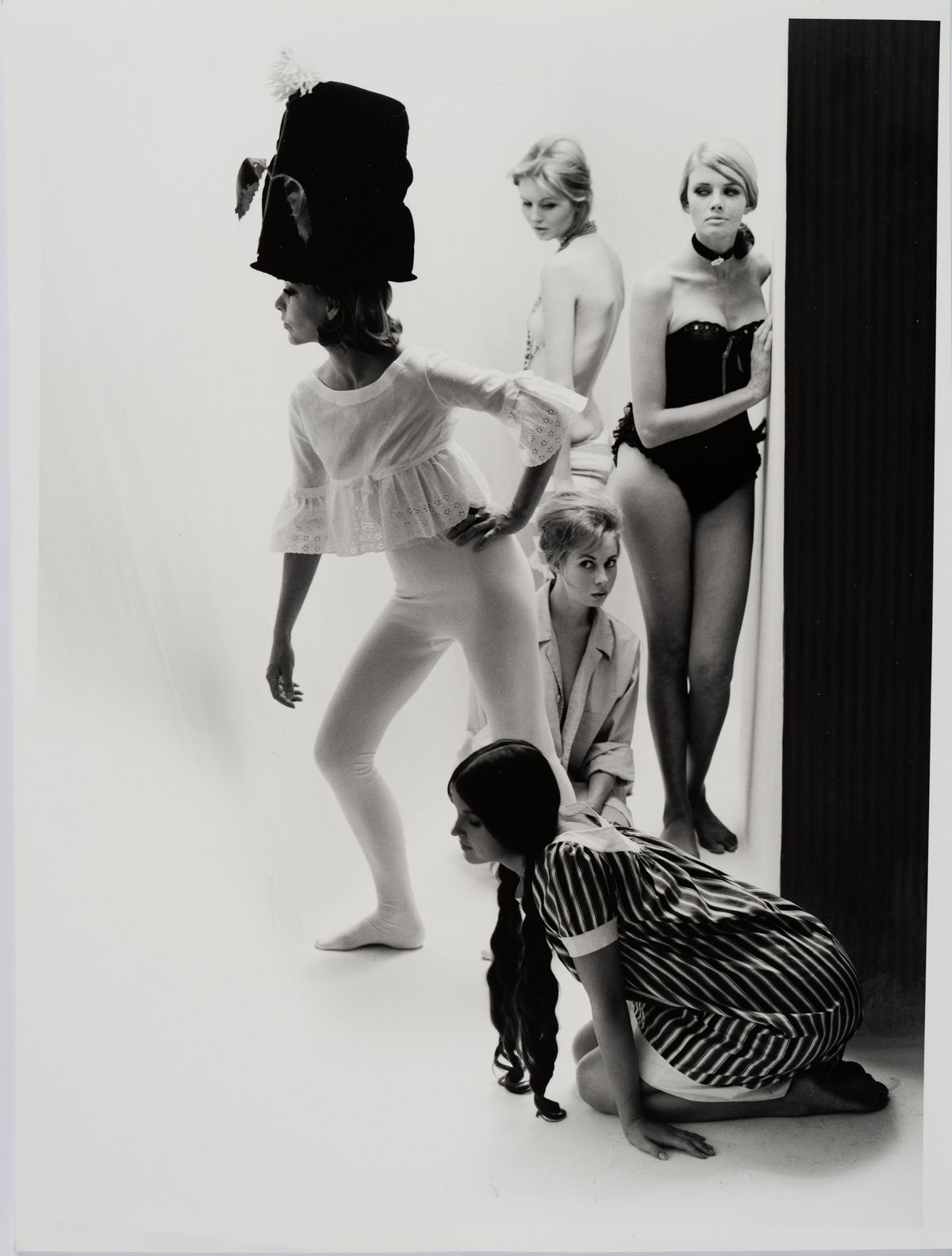
Sam Haskins created iconic photobooks that defined 1960s fashion photography. But he wasn't in London or Paris. He was working 5,000 miles away in Johannesburg, South Africa.
Three books that changed everything
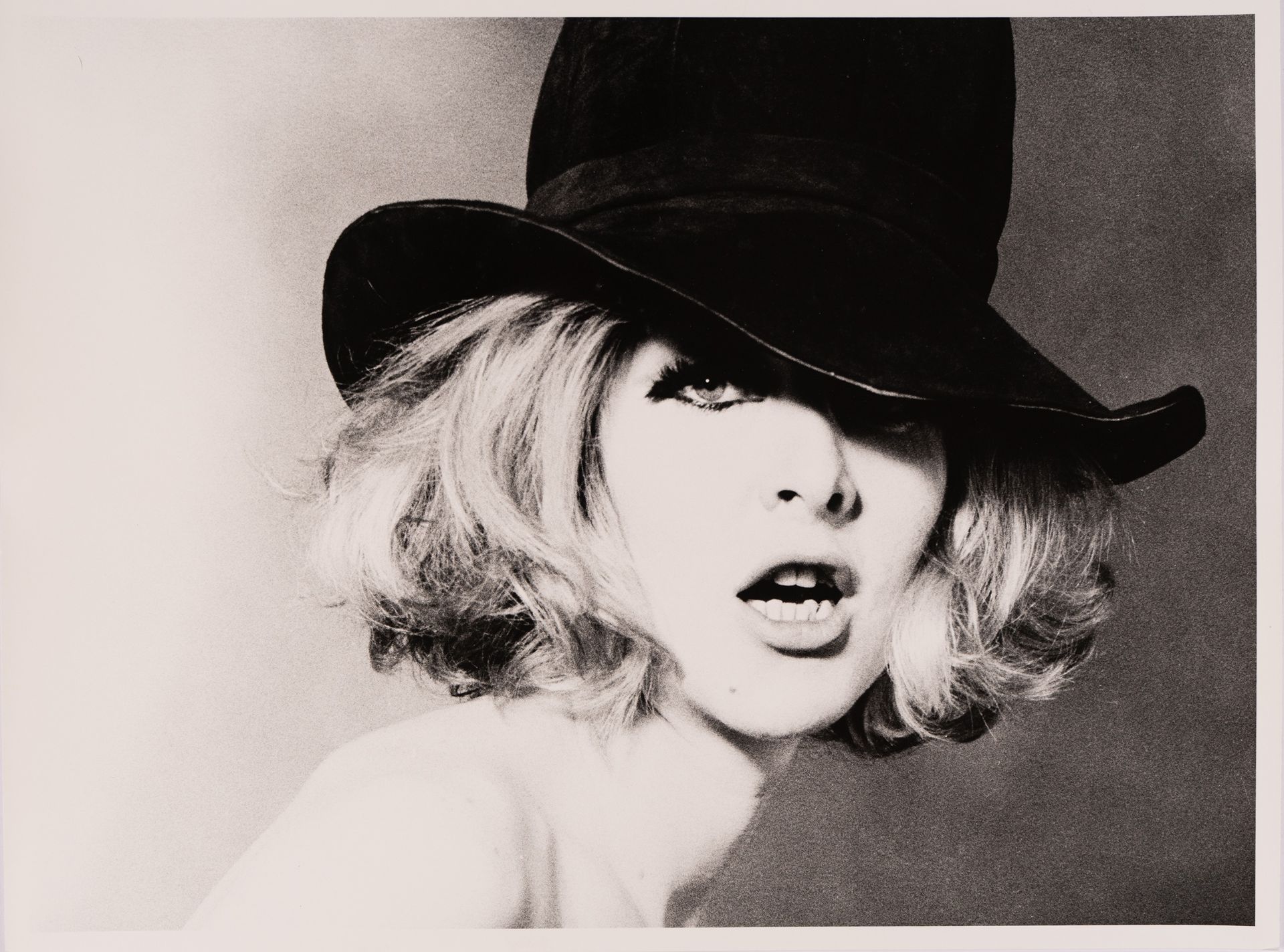
Five Girls (1962), Cowboy Kate & Other Stories (1964), and November Girl (1967) shaped how a generation of photographers approached the female form. All created from his South African studio.
Working without the usual advantages
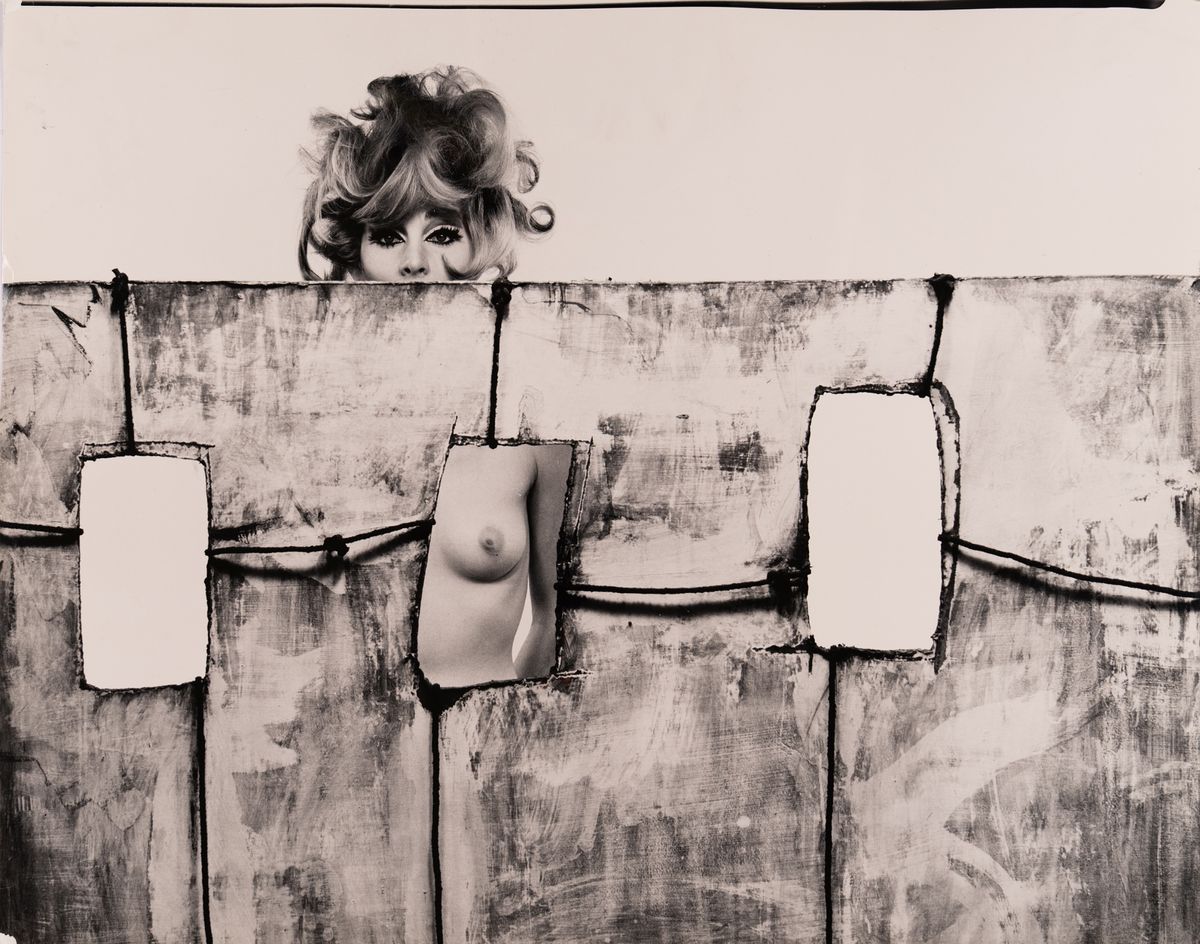
London photographers had agencies, stylists, and professional models. Haskins had none of that. So he improvised, using non-professional models and building fictional London sets from scratch.
An unconventional path from the start
As a teenager, Haskins trained with a travelling circus and was offered work as a trapeze catcher. He later studied art and photography in Johannesburg before moving to London in 1949 to study at what's now the London College of Communication.
Building a studio in Africa
He returned to Johannesburg in 1953 and ran what was probably Africa's first modern freelance advertising studio, working across still life, industrial, fashion, and aerial photography.
Staying outside the mainstream
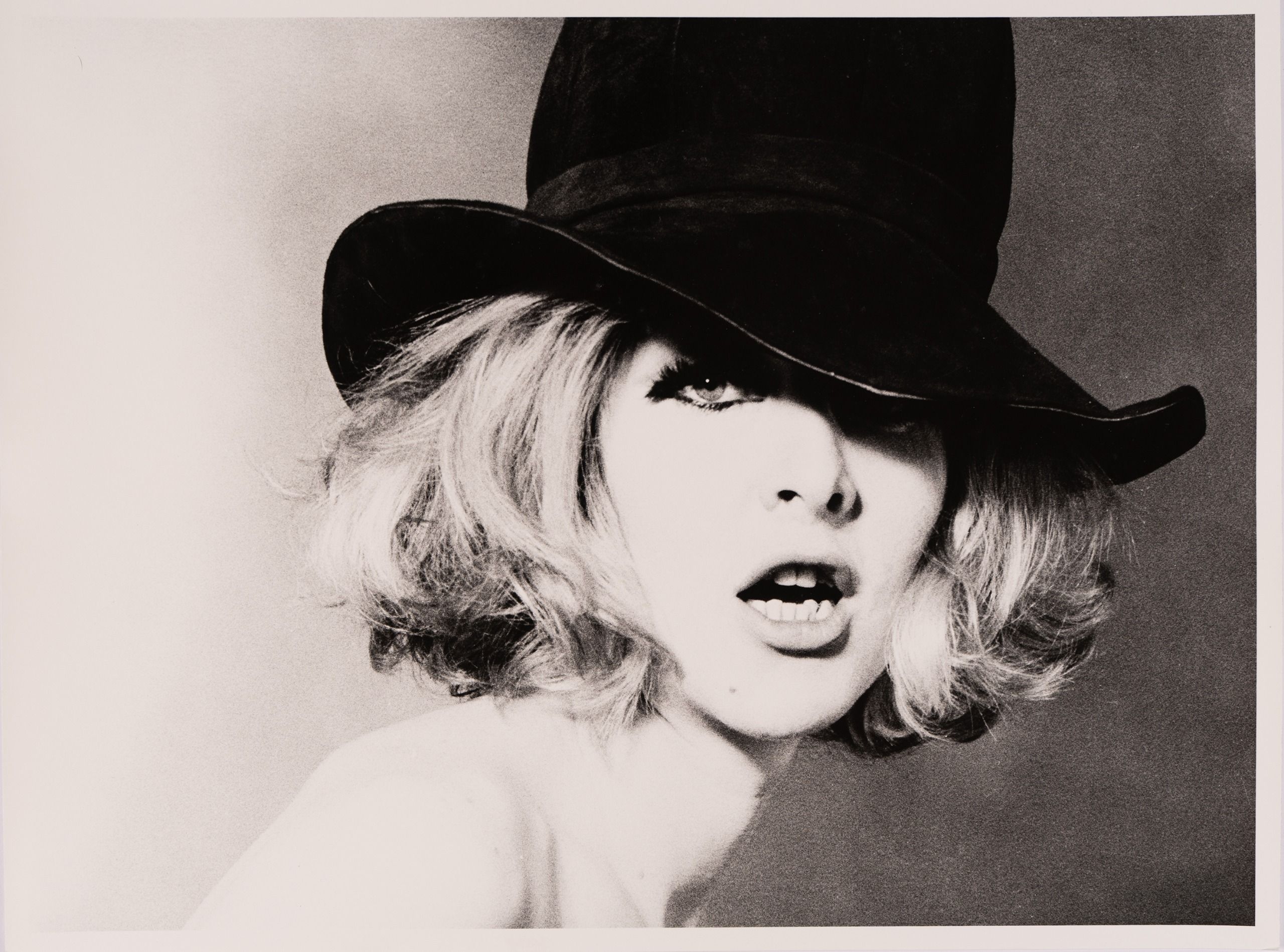
Even after moving to London in 1968, when Cowboy Kate had sold almost a million copies, Haskins kept the mainstream fashion world at arm's length. He preferred advertising clients and personal projects.
A late return to fashion
Haskins didn't properly re-enter mainstream fashion photography until 2002, in his mid-seventies, after a Yves Saint Laurent shoot in Paris led to assignments in London, New York, Paris, and Tokyo.
Creating until the very end
Haskins died in 2009 in Australia, nine weeks after suffering a stroke on the opening day of his final exhibition. He was still producing and exhibiting new work almost until the end.
At a glance
Sam Haskins proved that creative innovation doesn't require being at the center of the action. Working from Johannesburg, he created influential photobooks that shaped 1960s fashion photography without access to the professional infrastructure of London or Paris.

/file/attachments/orphans/OCN-Lukhona-Joburg2_783345.jpg)