From Digital Camera World · · 2m
The photographer who shot through his windshield
Henry Wessel rigged a camera for one hand so he could photograph other drivers without ever stopping the car.
In brief
Henry Wessel rigged a camera for one hand so he could photograph other drivers without ever stopping the car. Wessel built his photography around a commute he was already making, proving the best subject is often the one you pass every day. Originally reported by Digital Camera World.
A New Jersey kid at MoMA
Henry Wessel (1942-2018) broke through in 1972 with a solo show at the Museum of Modern Art. Two Guggenheim Fellowships and museum collections across three continents followed.
The commute that became work
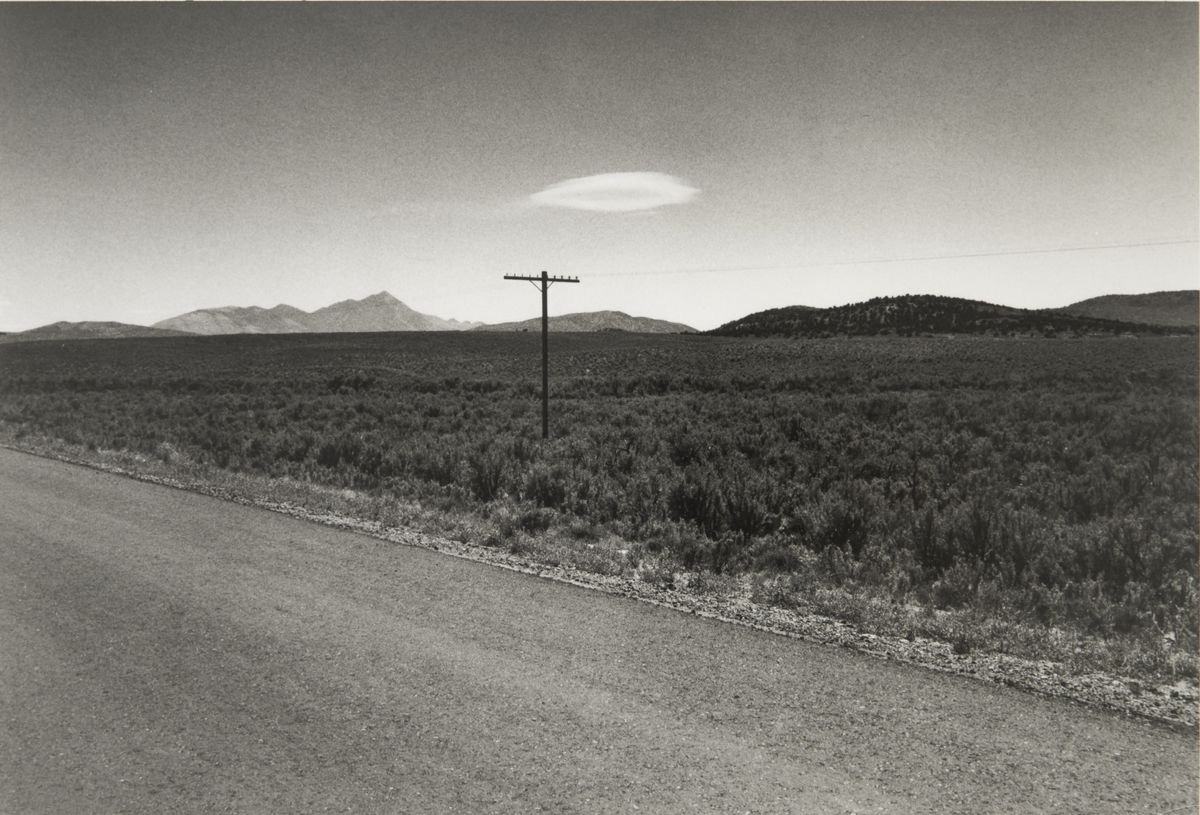
In the early Eighties, Wessel drove from the East Bay to a teaching job in San Francisco. He noticed the morning and evening light was worth stopping for, then never stopped.
One hand on the camera
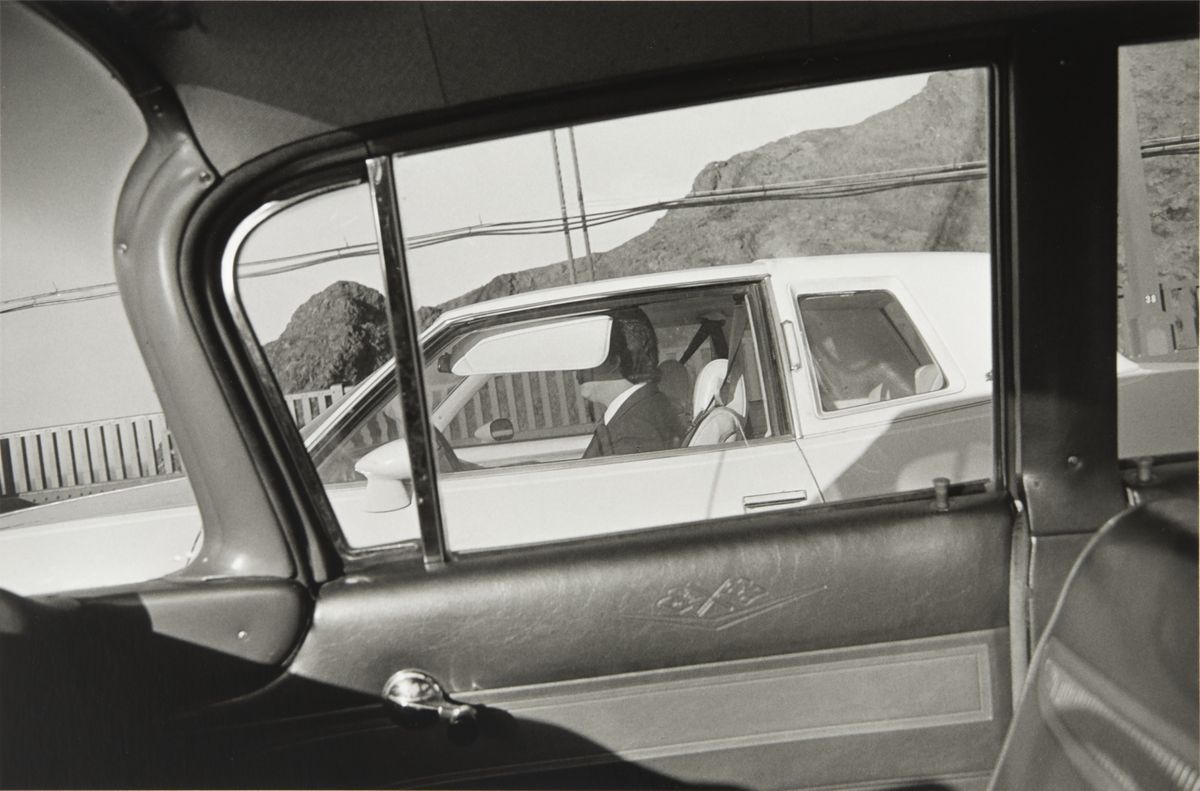
He modified his camera for one-handed use and kept it ready on the seat, shooting other drivers through his own windshield while still steering.
Not exactly road safe
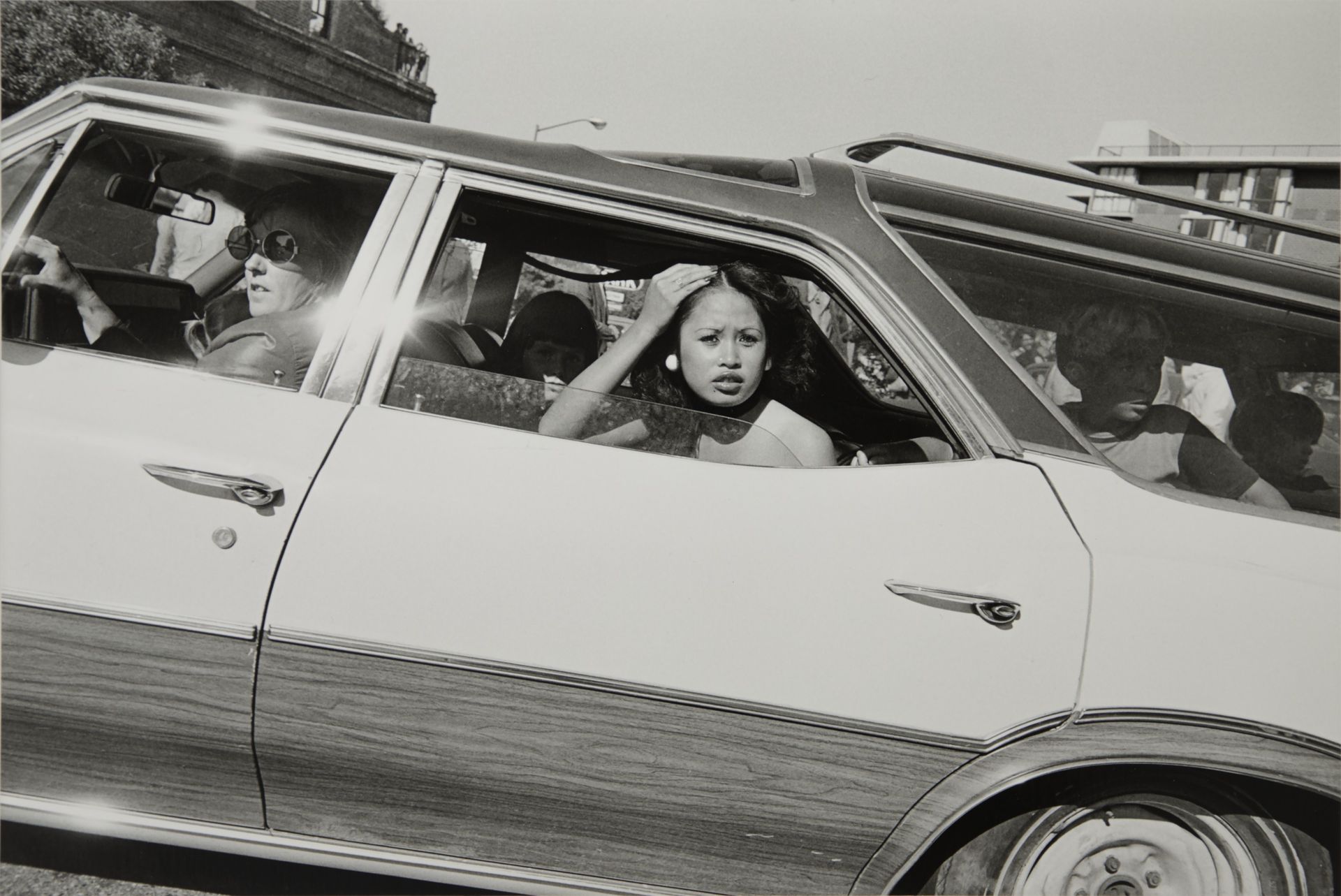
Writer Tom May puts it bluntly: composing a frame while piloting a one-ton machine at speed is not a technique most photographers will want to copy.
“I'm no driving expert, but that doesn't strike me as a particularly safe thing to do”
Thirty years in a drawer
Those black-and-white frames became two portfolios, Incidents (2012) and Traffic (2017), covering roughly three decades of pictures that sat unfinished or simply unshown.
Szarkowski picked him young
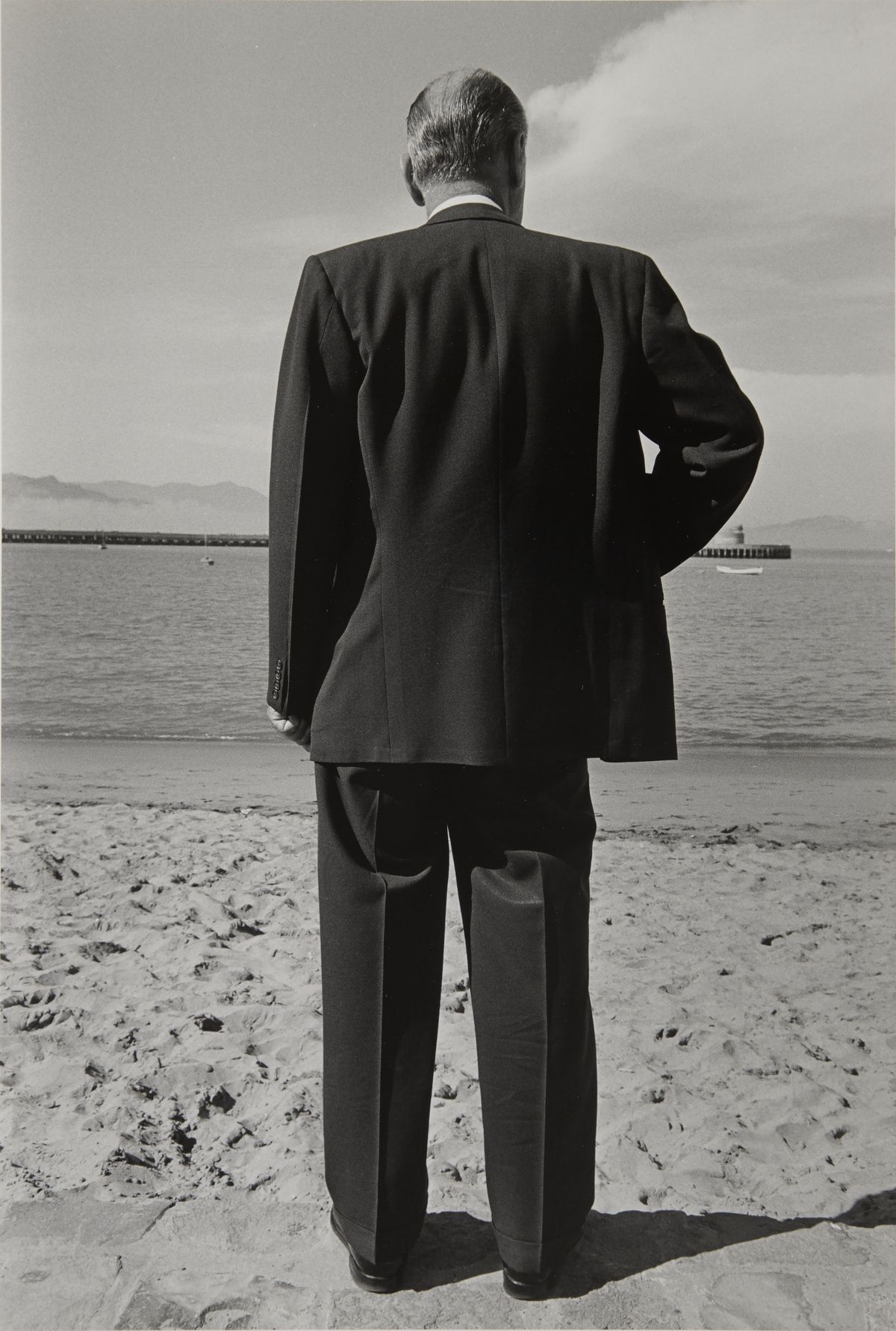
Untitled (1968), a deserted road split by a telephone pole, closed John Szarkowski's 1973 book Looking at Photographs. Wessel was the youngest photographer in it.
Houses, in color, parked
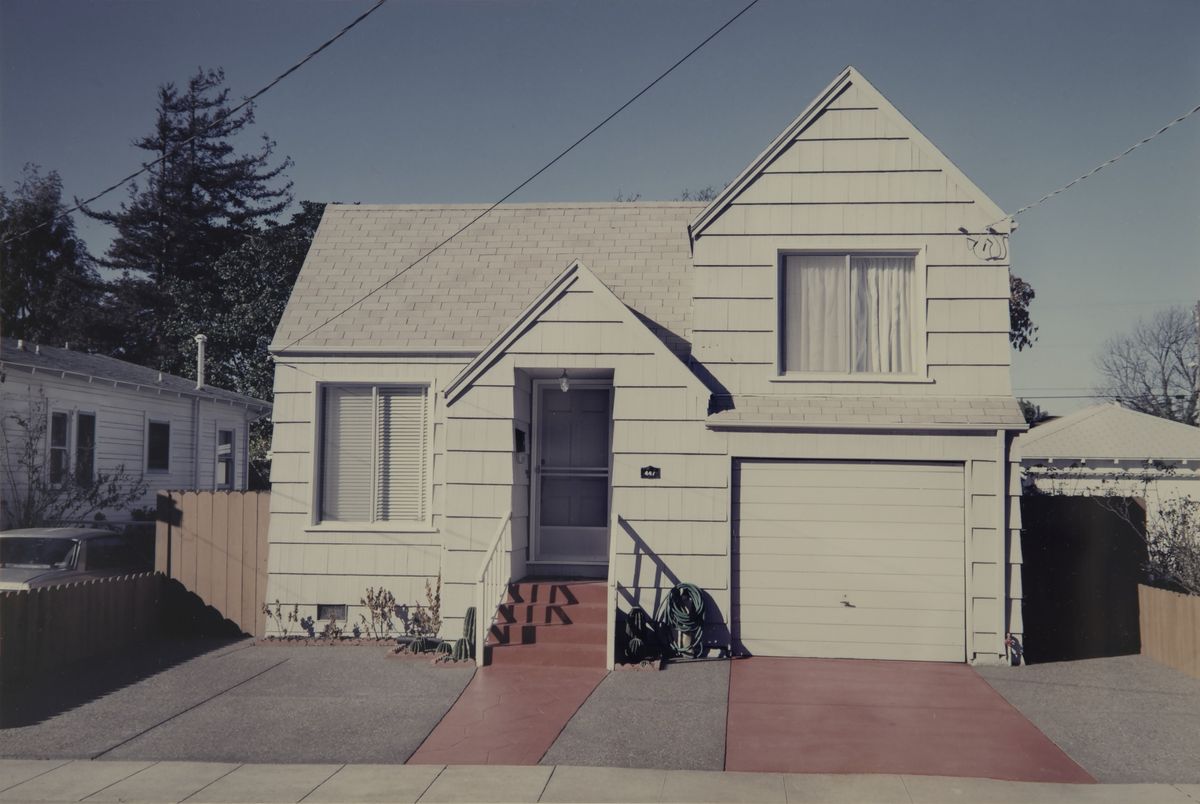
Real Estate was his first sustained color project, returning to houses shot from a car window. A subject from his very first roll of film, only now the car stayed still.
Streetlights as stage lighting
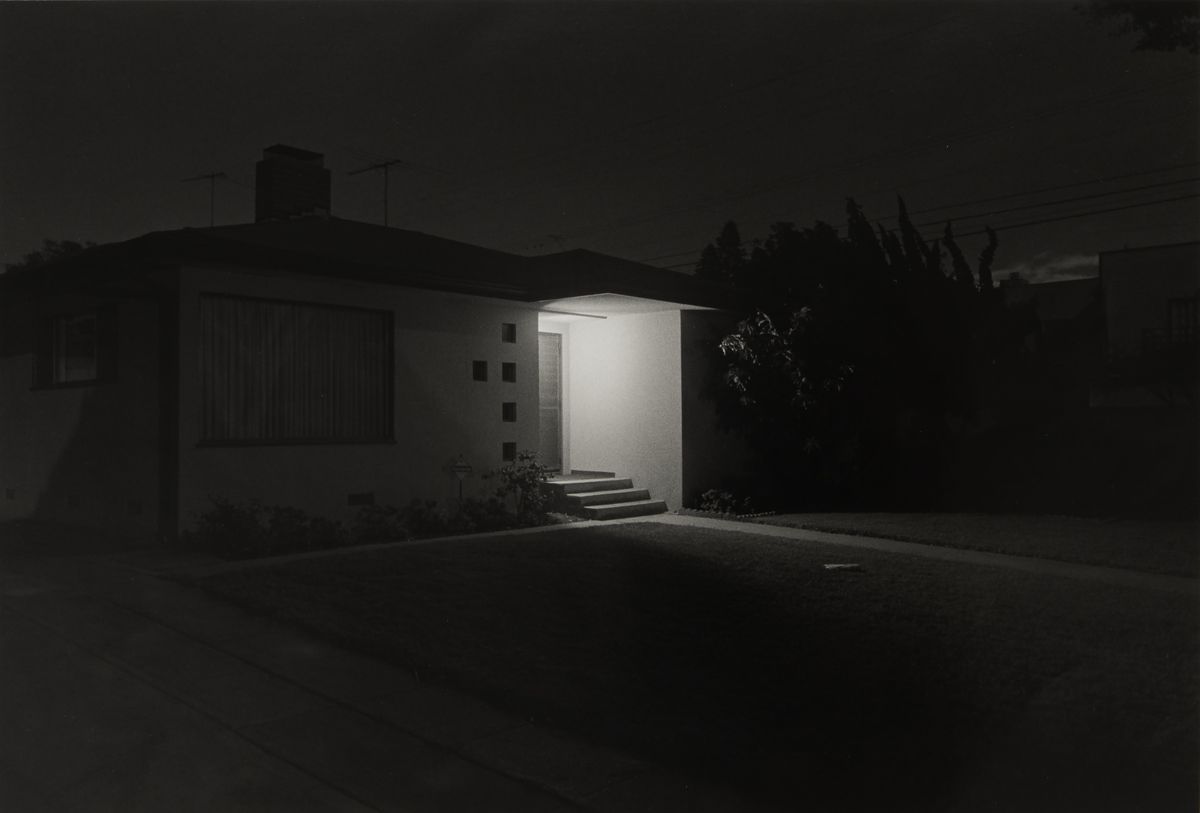
Night Walk began in 1995 when Wessel saw how streetlights rebuilt his own neighborhood during dog walks after dark.
“stage-like, full of implied drama”
I simply take pictures
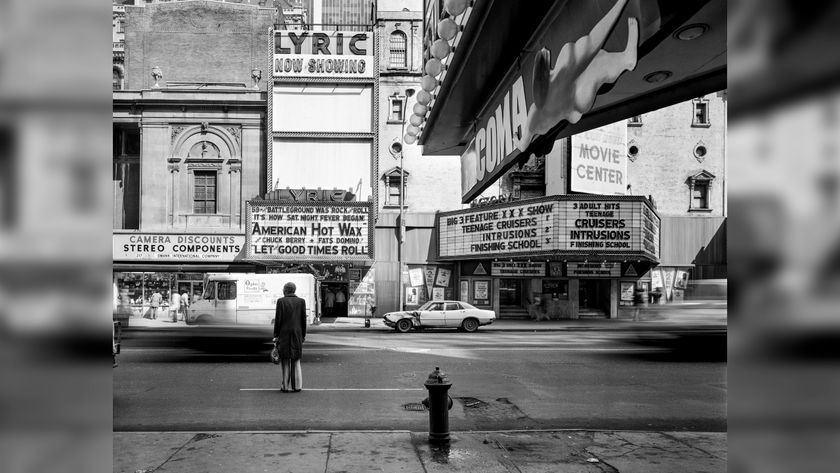
He never set out to shoot. Open eyes and available light were the whole method, which is why he called photography indulgent as much as vital.
“If there's light out and my eyes are open, it's usually reason enough to be able to work.”
What it means
Wessel built his photography around a commute he was already making, proving the best subject is often the one you pass every day.