From Digital Camera World · · 1m 30s
The secret history of Robot: the innovative 35mm rapid-fire camera of the 1930s became a bank surveillance tool
How a 1930s camera design revolutionized bank security and traffic enforcement for decades.
In brief
How a 1930s camera design revolutionized bank security and traffic enforcement for decades. The Robot camera, invented in the 1930s, became widely used for bank surveillance and traffic enforcement systems until the 1990s. Originally reported by Digital Camera World.
Robot's origins
The Czech playwright Karel Čapek introduced the word 'robot' in 1920 through his play R.U.R.
Heinz Kilfitt's design
Heinz Kilfitt, a German watchmaker's son, designed a clockwork spring motor for rapid-fire photography in the early 1930s.
Kodak and Agfa rejection
Kodak and Agfa rejected Kilfitt's camera design proposals despite its innovative spring motor film advance.
Otto Berning & Co. founded
Hans Berning founded Otto Berning & Co. in Düsseldorf to manufacture Kilfitt's design after its rejection.
Robot's key innovations
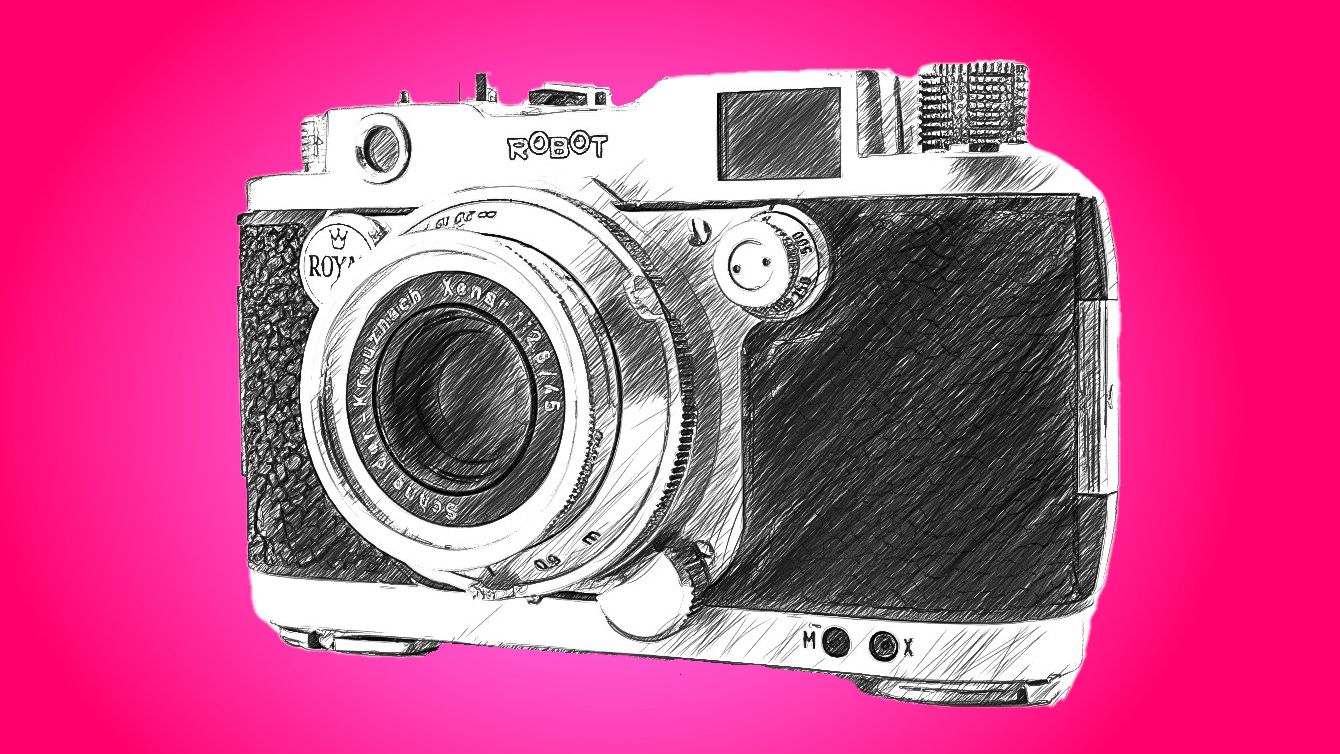
The Robot featured a spring-motor film advance for 4 photos per second, a rotary shutter, and interchangeable lenses.
24x24mm film format
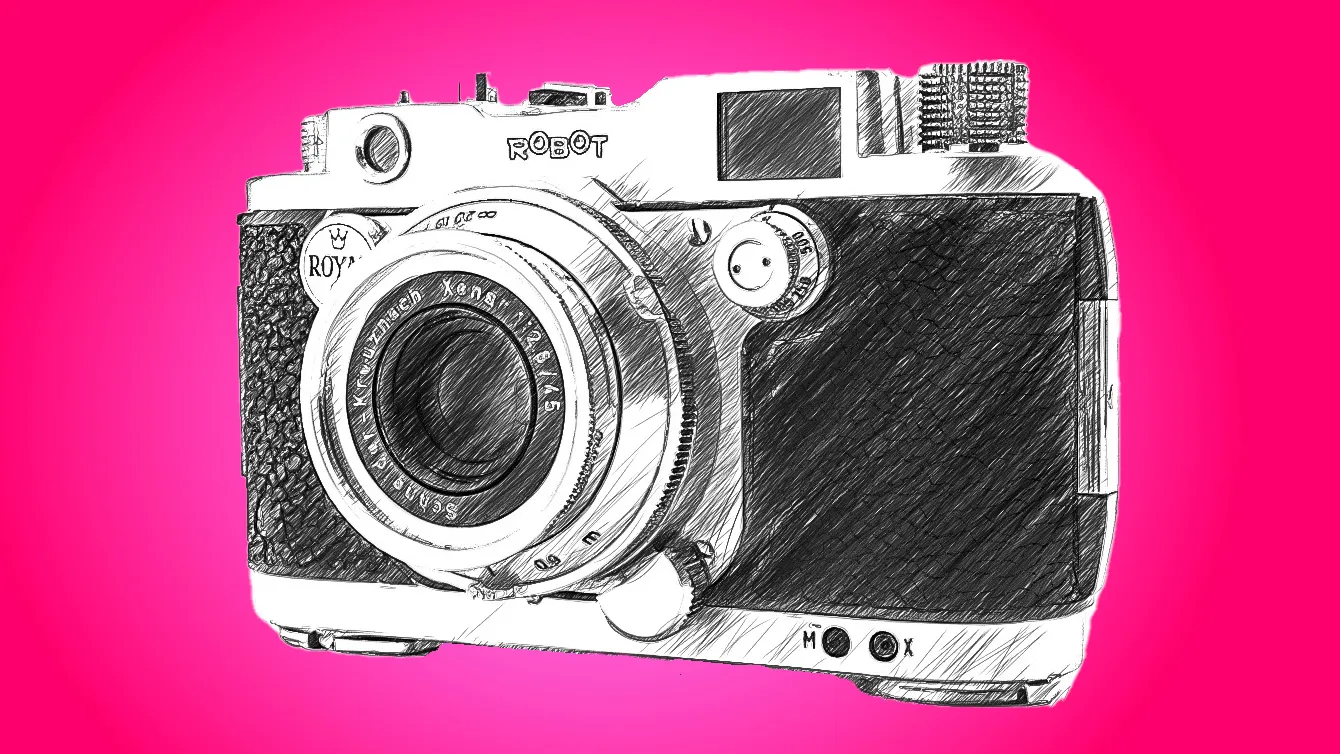
The Robot used a 24x24mm negative for 50 exposures on a 36-exposure roll, reducing film costs significantly.
World War Two use
The Robot was adapted for Luftwaffe gun cameras and bomber reconnaissance during World War Two.
Post-war civilian production
After the war, Berning produced the Robot IIa compatible with Kodak's standardized 35mm film cartridges.
Robot's commercial success
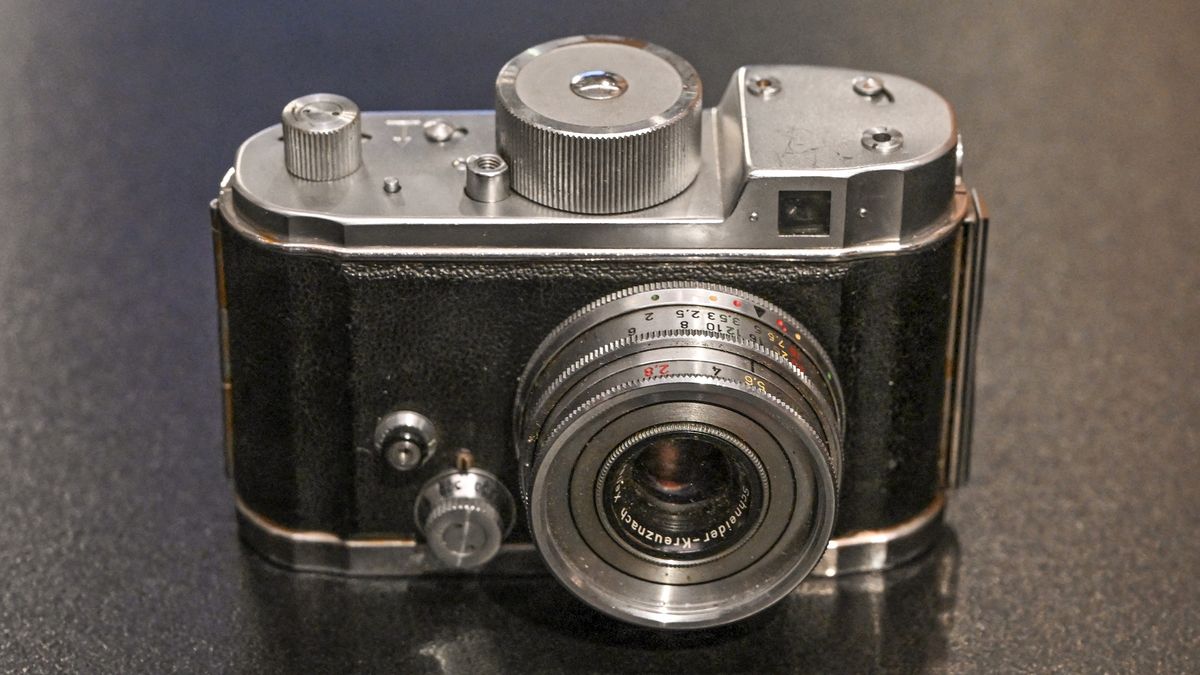
Robot cameras were sold for bank surveillance, industrial inspection, and traffic enforcement systems globally.
Robot's legacy
The Robot name became part of Jenoptik and continued in industrial imaging systems until the 1990s.
The takeaway
The Robot camera, invented in the 1930s, became widely used for bank surveillance and traffic enforcement systems until the 1990s.