From Digital Camera World · · 3m
The Swedish camera that went to the Moon
Victor Hasselblad built a revolutionary medium-format camera that became NASA's choice for space exploration and lunar photography.
In brief
Victor Hasselblad built a revolutionary medium-format camera that became NASA's choice for space exploration and lunar photography. The Hasselblad 500C's reliability, image quality, and modular design made it the camera of choice for NASA's space program, including the Apollo Moon missions. Originally reported by…
A camera builder is born
Victor Hasselblad was born in 1906 into a Swedish trading family. He became an accomplished bird photographer and camera expert, studying manufacturing in Europe and the United States.
A wartime challenge
During World War II, the Swedish military gave Hasselblad a captured German reconnaissance camera and asked him to build something similar. His reply: "No, not one like that, but a better one."
“No, not one like that, but a better one”
The dream camera emerges
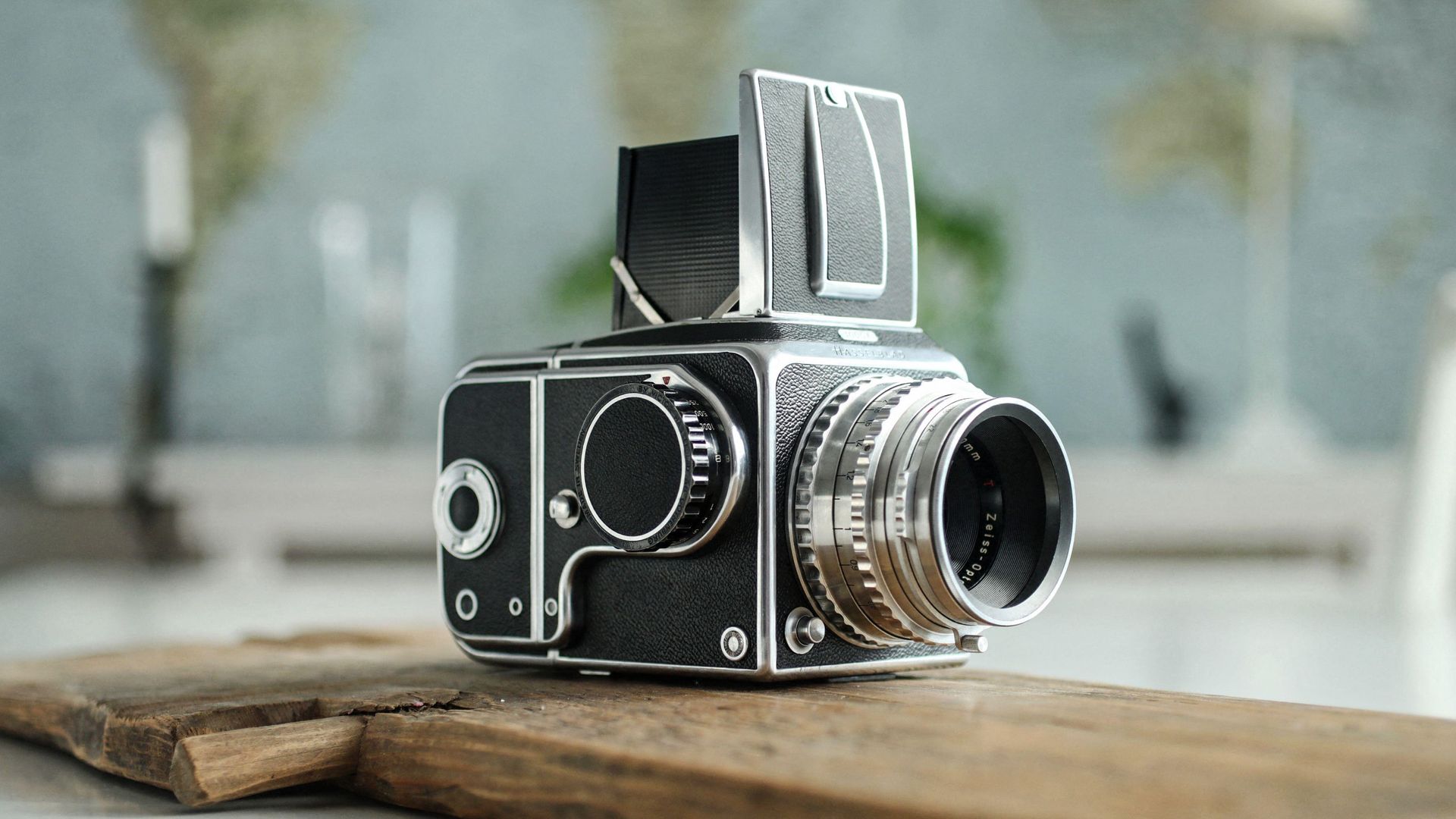
After the war, Hasselblad designed the Rossex, a waist-level SLR making 6x6 photographs on 120 film. By 1948, renamed the Hasselblad 1600F, it was the world's first SLR for 120 film and smaller than most medium format cameras.
Revolutionary design features
The 1600F was modular with interchangeable lenses, film backs, and viewfinders. It had a focal plane shutter of stainless steel foil with speeds up to 1/1600 sec and fine Kodak Ektar lenses.
Shutter problems lead to 1000F
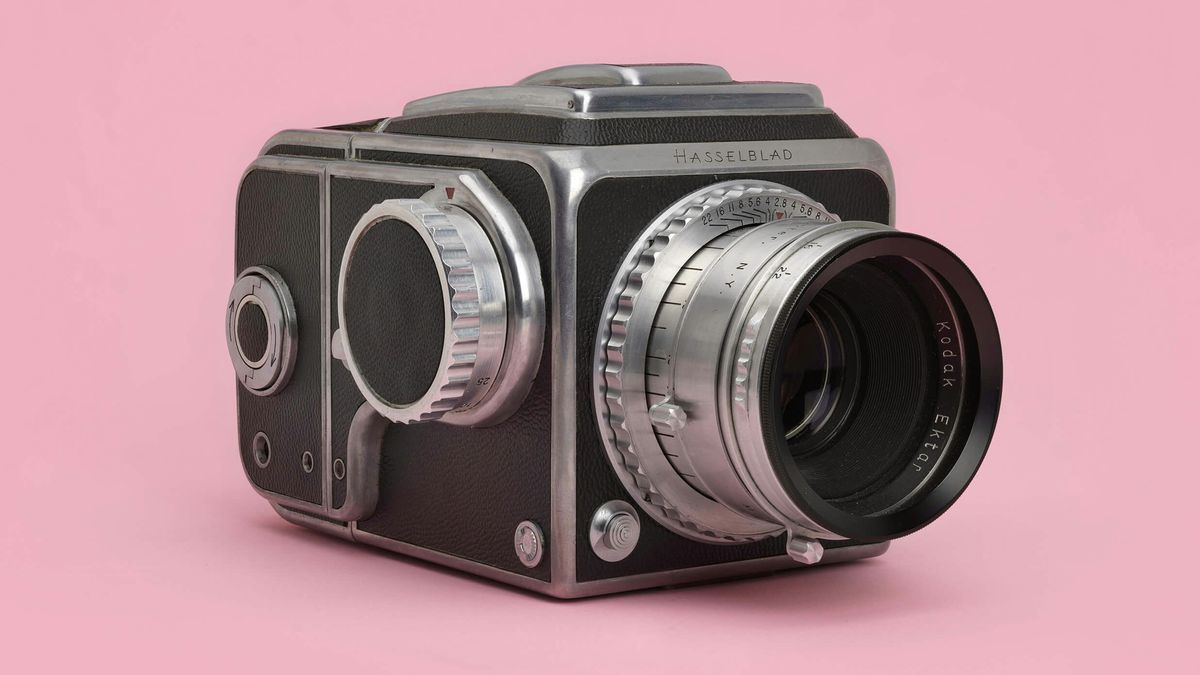
When the 1600F's shutter proved unreliable, Hasselblad reduced the top speed to 1/1000 sec and redesigned the internal gear stack, creating the more reliable Hasselblad 1000F in 1952.
A legendary durability test
In December 1954, Modern Photography editor Burt Keppler tested the 1000F by running 500 rolls of film through it and accidentally dropping it twice on a hard floor. The camera kept working, cementing Hasselblad's reputation for ruggedness.
The 500C changes everything
In 1957, Hasselblad replaced the unreliable focal-plane shutter with a Compur leaf shutter built into each lens. The 500C became one of the most successful professional cameras ever made, offering exceptional reliability and outstanding image quality.
NASA takes notice
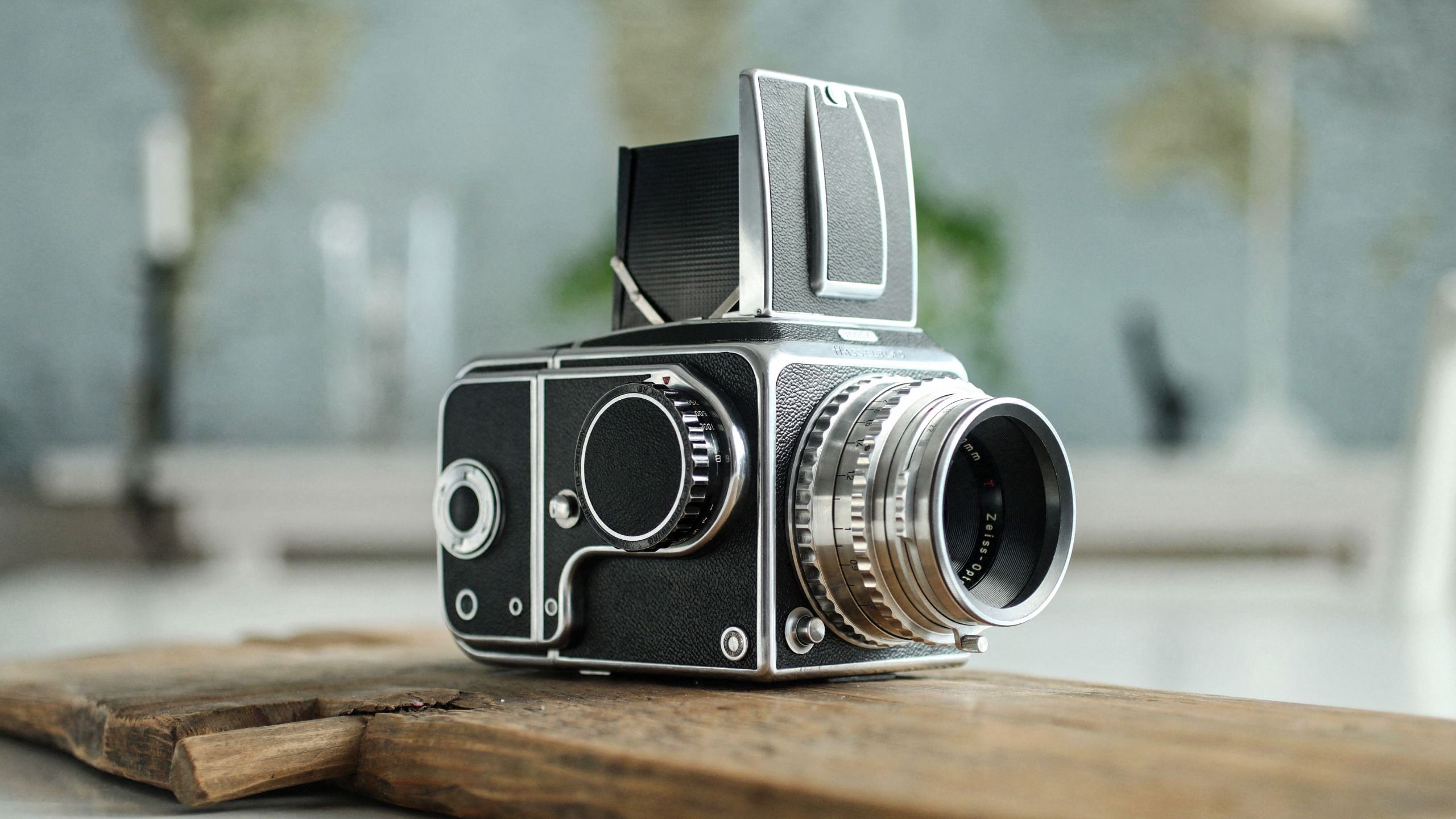
In the 1960s, astronaut Wally Schirra owned a 500C and suggested NASA use Hasselblads in space. Custom-modified Hasselblads first flew with Schirra on Mercury 8 in October 1962, starting a long partnership.
To the Moon and back
NASA considered lighter Leica cameras for Apollo Moon missions to save weight. Then they realized they could leave the camera body and lens on the Moon and return only the film back to Earth.
A lunar camera comes home
During Apollo 15 in 1971, astronaut James Benson Irwin used a modified Hasselblad 500EL on the lunar surface. Though intended to stay on the Moon to save weight, he brought it home, where it sold at auction for $940,000 in 2014.
Twelve cameras still on the Moon
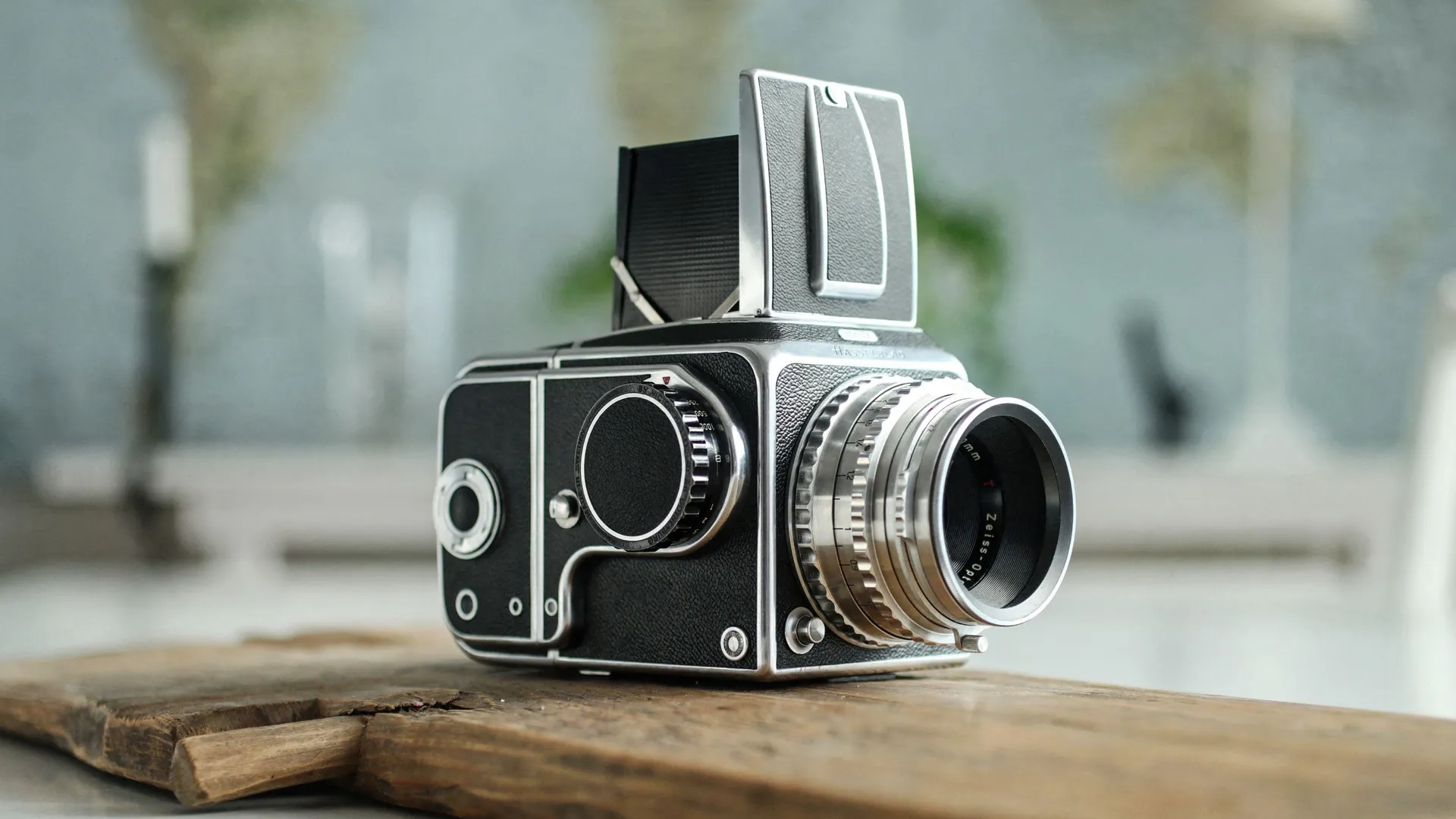
NASA records and mission transcripts suggest up to 12 Hasselblads were left on the Moon. If you want one and lack the budget, there are lightly used models waiting to be picked up on the lunar surface.
“if you really want a Hasselblad and you've not got the budget, there are up to 12 very lightly used ones on the moon”
The one thing
The Hasselblad 500C's reliability, image quality, and modular design made it the camera of choice for NASA's space program, including the Apollo Moon missions.


.jpg)
