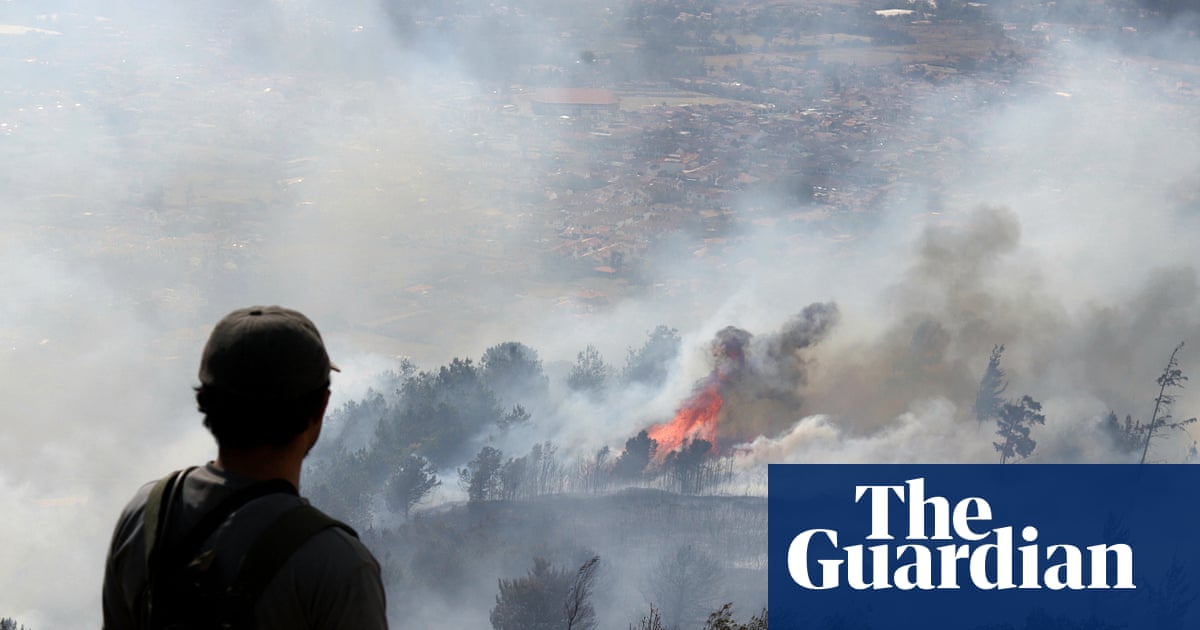
From Digital Camera World · · 1m 40s
Three years of trying, one perfect frame
A young photographer chased the same warbler for three years, then a spiderweb he never saw coming won him a national prize.
In brief
A young photographer chased the same warbler for three years, then a spiderweb he never saw coming won him a national prize. Persistence gets you into position, but the detail that makes the photo is often the one you notice later. Originally reported by Digital Camera World.
A morning in the cloud forest
Juan David Camacho Márquez went walking with birding friends near El Queremal in Valle del Cauca, Colombia, hoping for a species that had eluded him for years.
The day was already a win
Before the warbler appeared, he found a Plain-backed Antpitta, a lifer for him and one of the first records of the species in that area.
“With that sighting, my day was already a success, but then I saw this Canada Warbler.”
The web he missed
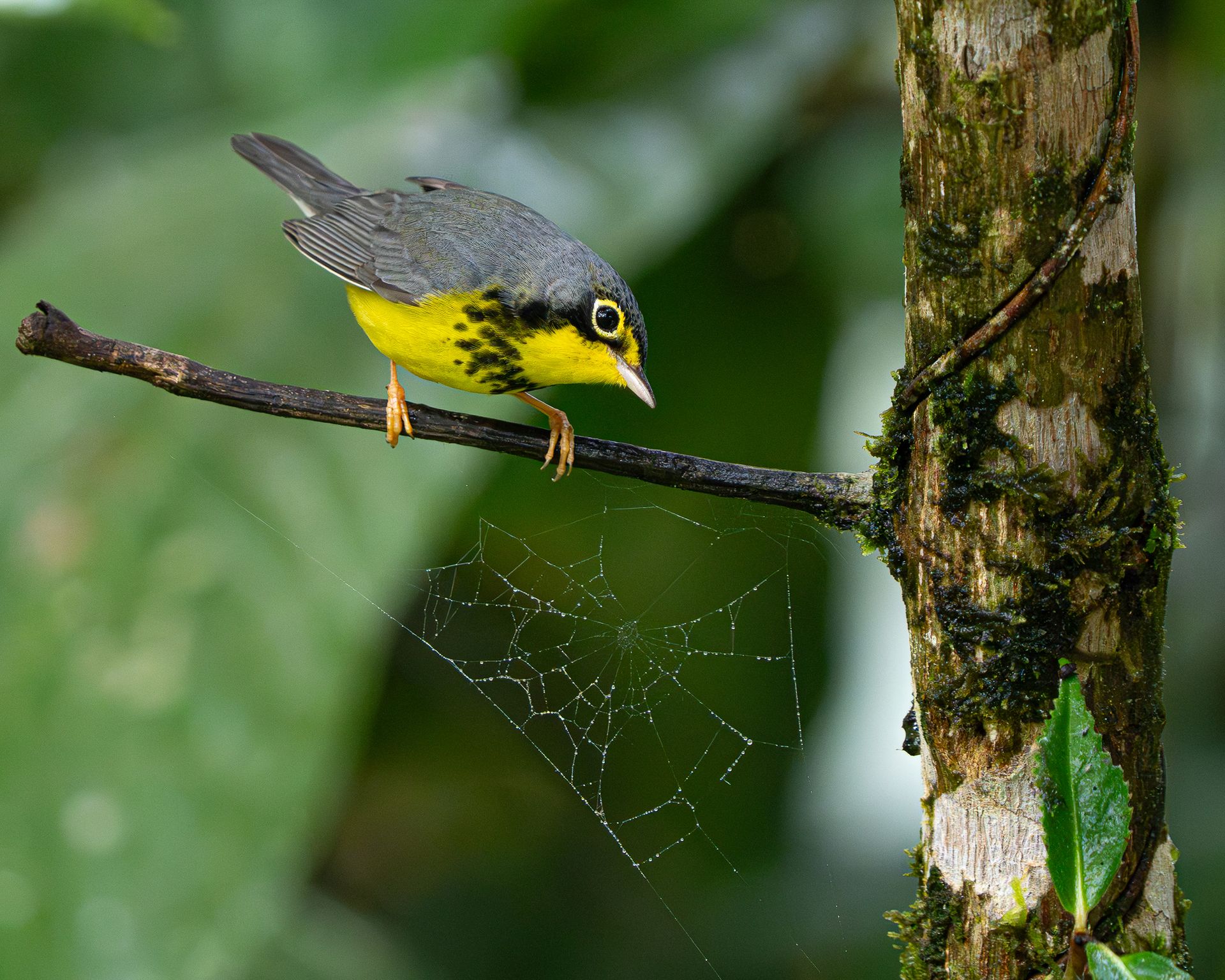
He fired off a frame and moved on. Only later, reviewing the shot, did he spot the dew-covered spiderweb hanging under the branch with the bird seeming to study it.
“The bird seems to be looking at the web, creating a natural harmony.”
A dream fulfilled
Three years of failed attempts at this one species ended with a single frame he did not fully see until he got home.
“For three years, I had tried many times to get a decent photo of this species, but I hadn't yet succeeded.”
The gear and the settings
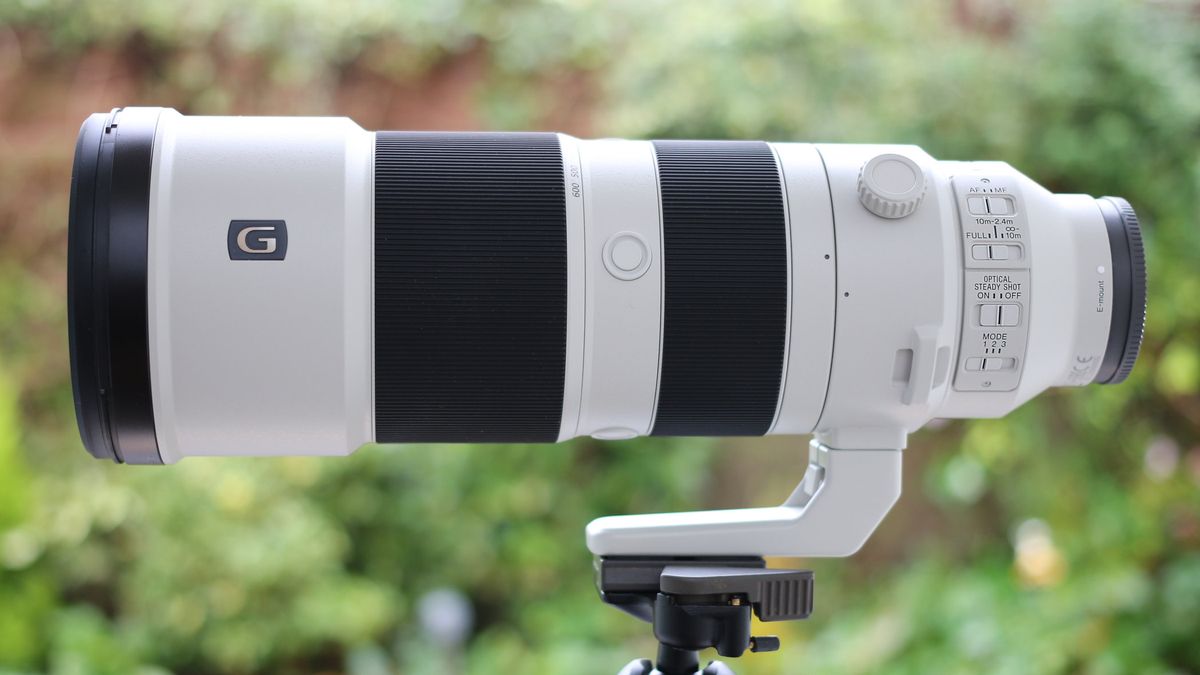
Sony A6700 with the FE 200-600mm f/5.6-6.3 G OSS, shot at 1/320 sec, f/6.3, ISO 6400 in flat, cloudy light.
Why the judges picked it
Judge Sebastian Herzog noted that an adult male Canada Warbler rarely holds still, so the shot needed exact timing, sharp focus and the right depth of field.
“The raindrops caught on the web shine and show off the web's unique geometry.”
A bird that barely lives there
The Canada Warbler spends less than half the year in its namesake country, wintering in dense Andean understory and following army ant swarms for flushed insects.
The essence
Persistence gets you into position, but the detail that makes the photo is often the one you notice later.