From Dw · · 1m 30s
Israel's mental health crisis after October 7 attacks
Israel faces mental health crisis as 39% of citizens report severe trauma symptoms post-October 7.
In brief
Israel faces mental health crisis as 39% of citizens report severe trauma symptoms post-October 7. Israel's mental health system struggles to address widespread trauma from October 7 attacks, with 39% of citizens reporting severe symptoms. Originally reported by Dw.
Ronen Shalev's story
Ronen Shalev's children attended the Nova Party where almost 400 people were killed in a Hamas attack on October 7.
“You start shivering”
Family trauma
Shalev's wife died in a burned car with a goodbye letter after the attack, and his son Roee developed severe post-traumatic symptoms.
“He went to treatment to please me, but he didn't really believe in it”
National mental health crisis
A State Comptroller report from February 2025 shows 39% of Israelis suffer severe mental health symptoms post-October 7.
“some 39% of the Israeli public reported suffering from post-traumatic symptoms, depression, anxiety or a combination of the three”
Treatment gaps
Only 1% of people receiving mental health treatment since October 7, 2023, with 600,000 people potentially suffering severely.
“the number of people receiving mental health treatment had only risen by 1% since October 7, 2023”
Health system struggles
84% of therapists treating trauma victims show traumatic symptoms themselves, with 45% feeling mentally exhausted.
“84% of the therapists who treated people affected by the October 7 attack showed traumatic symptoms themselves”
Soldiers affected
Suicide cases among reservists rose from one annual case to 11 in 2024, with nine suspected suicides in 2025.
“from a maximum of one annual case in the six years preceding the war to 11 cases in 2024”
Systemic issues
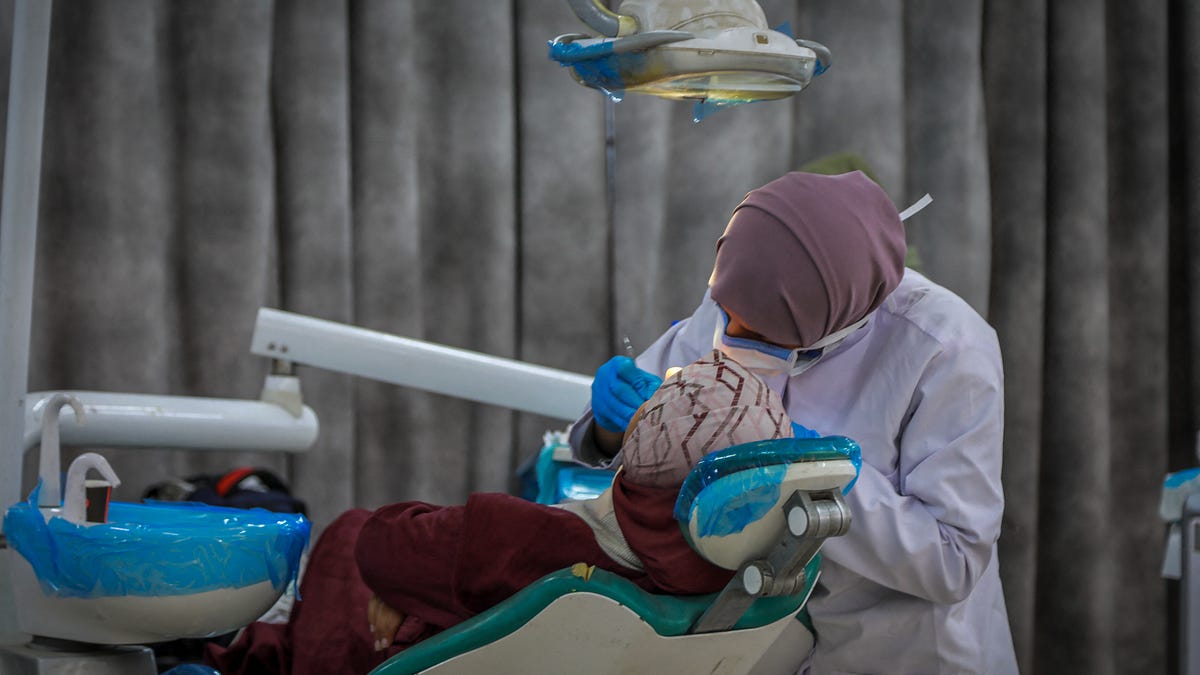
Israel's public mental health system struggles with staffing shortages, long waiting times, and limited resources for trauma treatment.
“staffing shortages remain, especially in peripheral regions in the far north and south”
Breaking the taboo
Ronen Shalev advocates for mental health awareness, saying trauma is not over after a year and that strong people are less likely to seek help.
“This is especially true regarding those who say they are strong. They're the scary ones as they're less likely to receive treatment”
What happens next
Israel needs increased investment in mental health services to address the ongoing trauma crisis.
“We have to acknowledge the fact that trauma is not over after a year. This means investing money”
In short
Israel's mental health system struggles to address widespread trauma from October 7 attacks, with 39% of citizens reporting severe symptoms.