From EUobserver · · 1m 20s
ICJ Genocide Ruling on Myanmar
ICJ's Myanmar genocide ruling reshapes global legal standards for state responsibility.
In brief
ICJ's Myanmar genocide ruling reshapes global legal standards for state responsibility. The ICJ's ruling on Myanmar's treatment of Rohingya will redefine how states are held accountable for genocide under international law. Originally reported by EUobserver.
ICJ's November 19 ruling
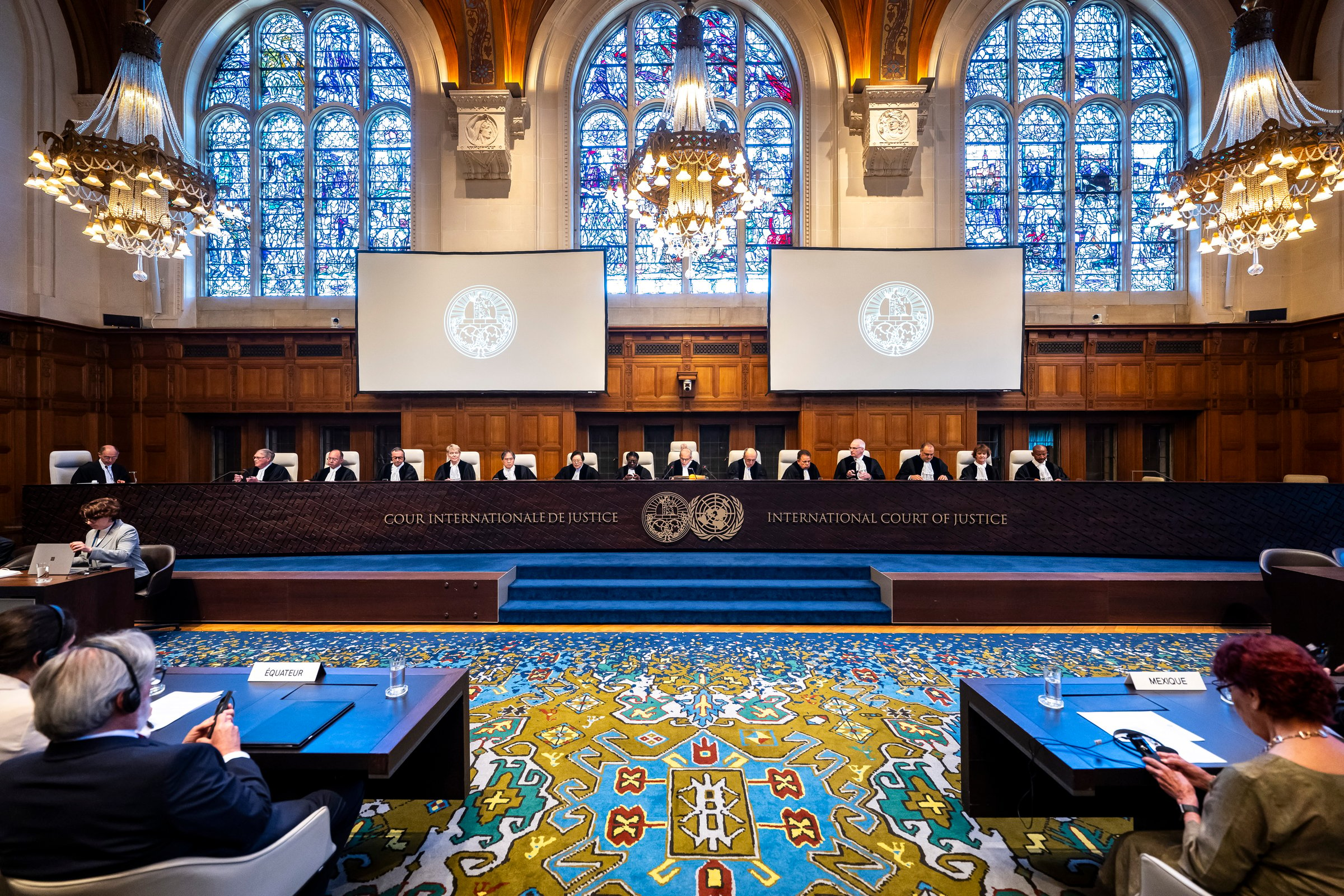
The International Court of Justice will deliver a ruling on Myanmar's treatment of Rohingya on 19 November.
Genocide Convention case
The Gambia alleges Myanmar violated the 1948 Genocide Convention through its treatment of Rohingya.
2007 Bosnia case
The ICJ's 2007 Bosnia v Serbia ruling established that genocide occurred in Srebrenica but not attributed to Serbia.
State responsibility standard
The court requires 'fully conclusive' evidence to establish genocidal intent and must be 'fully convinced' of allegations.
2015 Croatia case
The ICJ's 2015 Croatia v Serbia ruling maintained the high standard of proof for genocide claims.
Myanmar's legal stance
Myanmar argues for continuity with the court's established case law on genocide responsibility.
Eleven states intervene
Belgium, Canada, Denmark, the Democratic Republic of the Congo, France, Germany, Ireland, the Maldives, the Netherlands, Slovenia and the United Kingdom have intervened.
Belgium's role
Belgium's intervention shows commitment to international legal order by taking a position on treaty interpretation.
South Africa case
The ICJ's ruling may impact South Africa's case against Israel under the same Genocide Convention.
In short
The ICJ's ruling on Myanmar's treatment of Rohingya will redefine how states are held accountable for genocide under international law.