From Engadget · Husain Parvez · · 1m 30s
3D printing in your bedroom isn't as safe as you think
Even common PLA filament releases harmful particles and gases. Here's where to actually put your printer.
In brief
Even common PLA filament releases harmful particles and gases. Here's where to actually put your printer. 3D printers emit ultrafine particles and volatile organic compounds even when using safer PLA filament, making bedroom and desk placement risky without proper ventilation. Originally reported by Engadget.
Your bedside printer is a bad idea
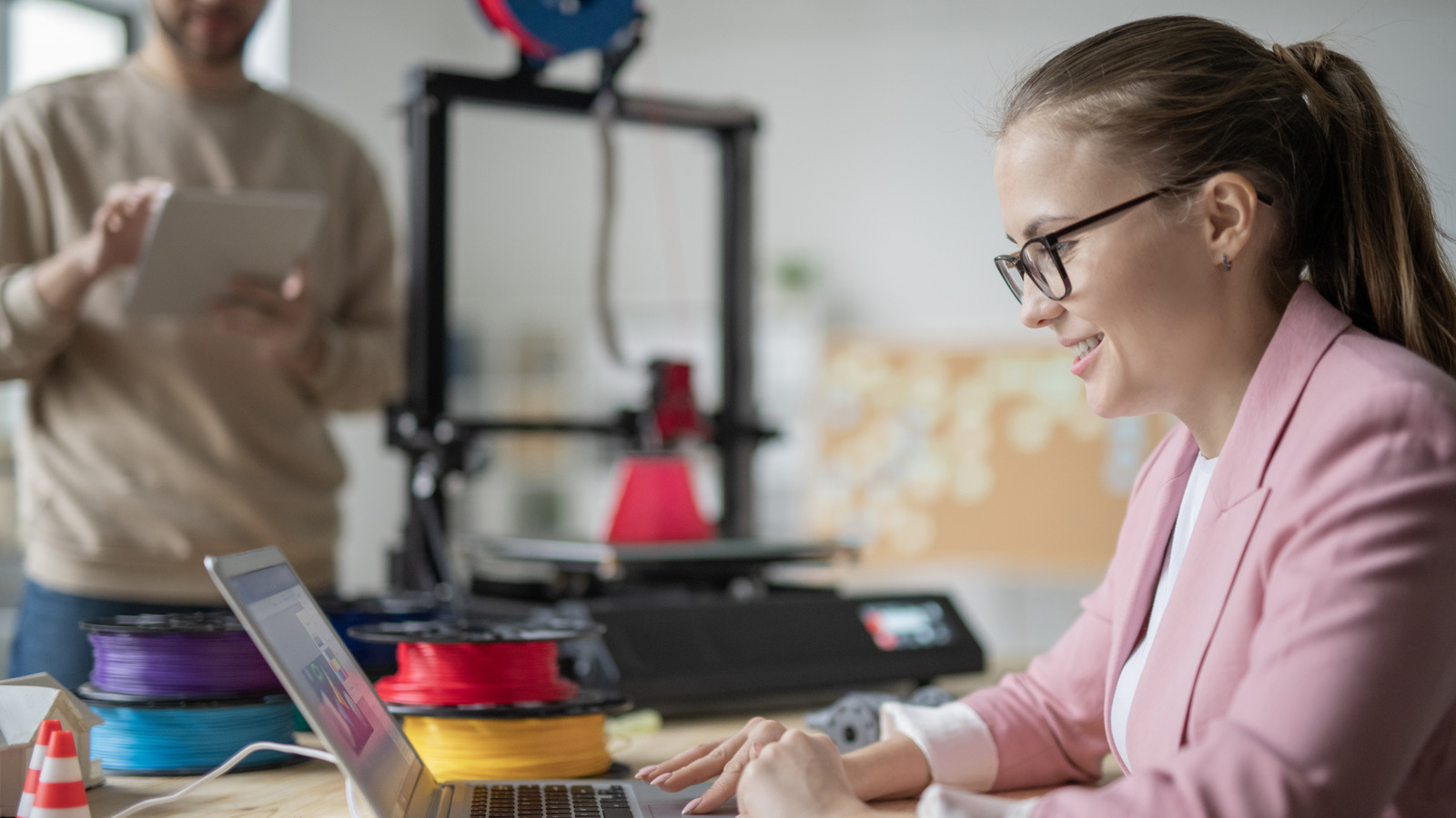
A 3D printer can sit on your bedside table, but running it there means breathing emissions for hours. Each print takes hours, and overnight bedroom printing exposes you to airborne particles and gases.
Even PLA releases harmful emissions
According to the EPA, filament printers emit ultrafine particles that reach deep into the respiratory system, plus volatile organic compounds. PLA produces fewer particles than ABS, but it isn't emission-free.
Lab tests show inflammation risks
Human airway cells exposed to emissions from PLA and ABS printers showed changes associated with inflammation and cellular stress. Tests were laboratory-based and did not establish safe exposure levels for bedrooms.
Resin printers add extra risks
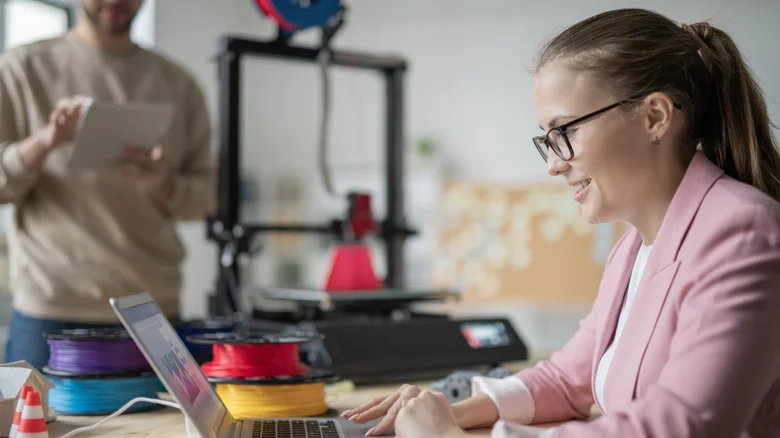
The National Institute for Occupational Safety and Health warns that uncured resin may cause skin reactions or asthma. Additional exposure risks occur during washing and curing of prints, particularly with solvents.
Proper ventilation is essential
A separate room or workshop with ventilation exhausting outdoors is better than a bedroom. For home offices, an enclosure with exhaust ducted outside captures emissions closer to the source. Distance alone doesn't replace ventilation.
What matters most
3D printers emit ultrafine particles and volatile organic compounds even when using safer PLA filament, making bedroom and desk placement risky without proper ventilation.





