From Engadget · Gabriela Vătu · · 2m
Fix your home surround sound without spending money
Room acoustics, speaker placement and calibration can transform your audio setup at zero cost.
In brief
Room acoustics, speaker placement and calibration can transform your audio setup at zero cost. Most surround sound problems come from room setup, not equipment, and simple repositioning fixes them. Originally reported by Engadget.
Your setup probably needs adjusting
Most people install surround systems once and never touch them again. Room changes and speaker angles drift over time, degrading sound quality without any equipment failure.
Hard surfaces wreck your sound
Bare walls, tile floors and windows reflect sound waves, creating echo and muddy audio. More than half of what you hear bounces off hard surfaces like ceilings and walls.
Add rugs and curtains instead
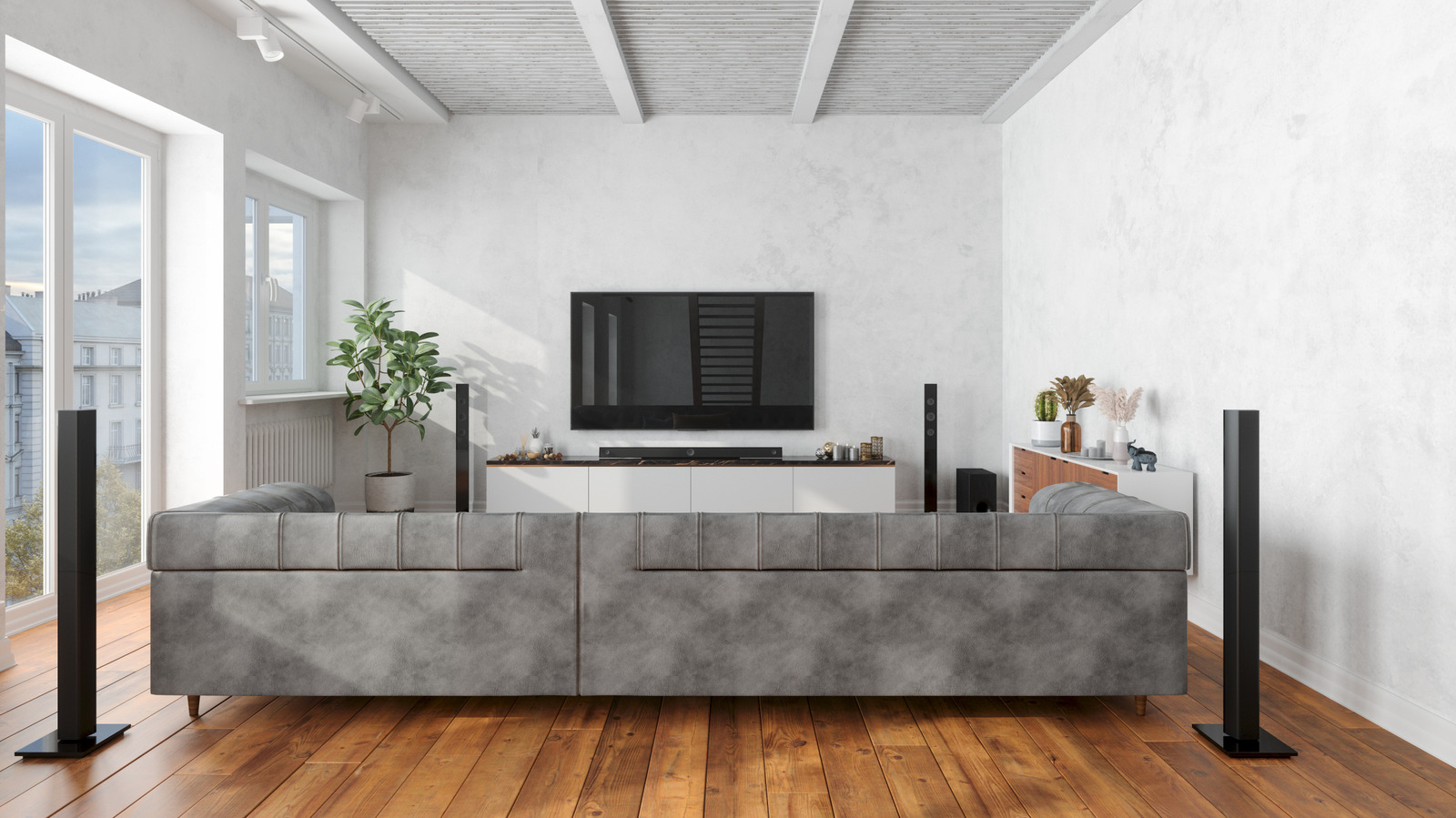
You don't need expensive acoustic foam. Rugs, curtains, artwork and framed photos absorb sound reflections and improve clarity without redesigning your living room.
Position front speakers correctly
Place left and right speakers about a foot from walls, spaced as far apart as they are from your seating position. Angle them toward your main seat for balanced sound.
Center channel needs ear level aim
Mount the center speaker directly above or below your TV, aligned with the screen's midpoint. This speaker carries most dialogue, so aiming it at ear level matters significantly.
Surround speakers go to the sides
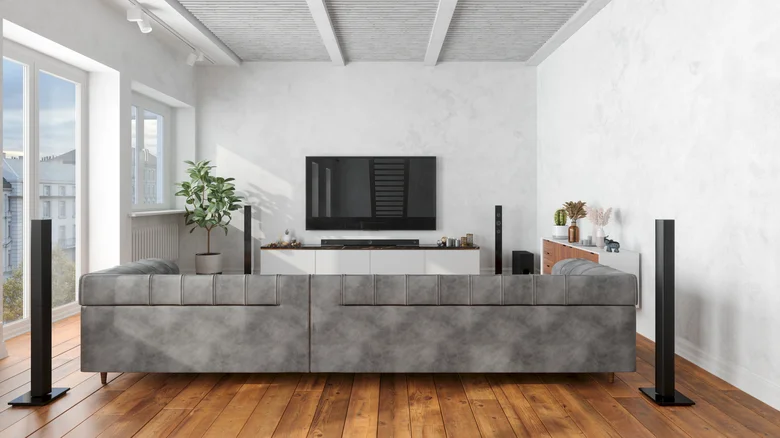
For five-point-one systems, place surrounds to the sides of your seating area aiming inward. For seven-point-one systems, position back speakers behind your seating at or slightly above ear level.
Subwoofer placement is critical
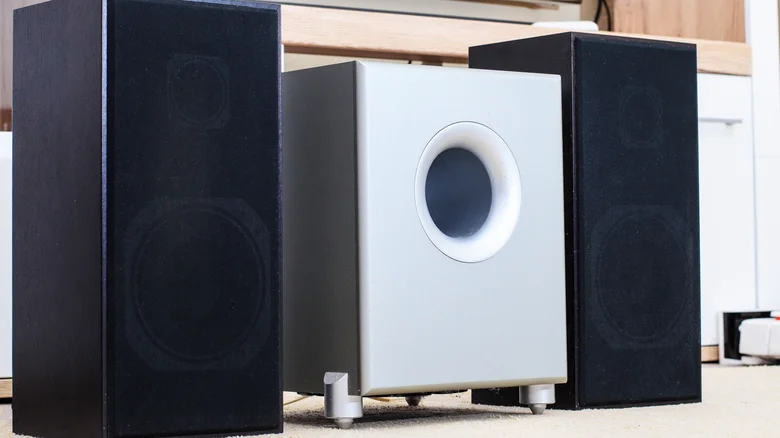
Subwoofers are omnidirectional, so angle doesn't matter much. But ported subs need space to breathe away from walls. Test placement in two or three spots since every room's bass behaves differently.
Run automatic calibration
Most modern AV receivers from Yamaha and Pioneer include automatic calibration software that tests each speaker, measures room acoustics and applies corrective filters automatically.
Check your audio output format
Verify your connected sources output genuine surround formats like Dolby Digital, Dolby Atmos or DTS instead of defaulting to plain stereo. Also move your couch forward or back to test bass response.
The takeaway
Most surround sound problems come from room setup, not equipment, and simple repositioning fixes them.





