From Engadget · Deven McClure · · 2m
How a calculator inspired Nintendo's Game & Watch
Gunpei Yokoi's observation of a bored commuter sparked the handheld gaming revolution.
In brief
Gunpei Yokoi's observation of a bored commuter sparked the handheld gaming revolution. Nintendo's Game & Watch proved that great innovation comes from repurposing existing technology in unexpected ways, a philosophy that still guides the company today. Originally reported by Engadget.
Nintendo's unlikely origin story
Founded in 1889 as a playing card maker in Kyoto, Nintendo floundered for decades trying taxi services and instant noodles before finding success with toys and eventually video games.
Gunpei Yokoi saves the company
When Yokoi joined Nintendo in 1965, the stock had crashed from 900 yen to 60 yen. His Ultra Hand toy in 1966 sold 1.4 million units and began turning the company around.
A calculator on the train
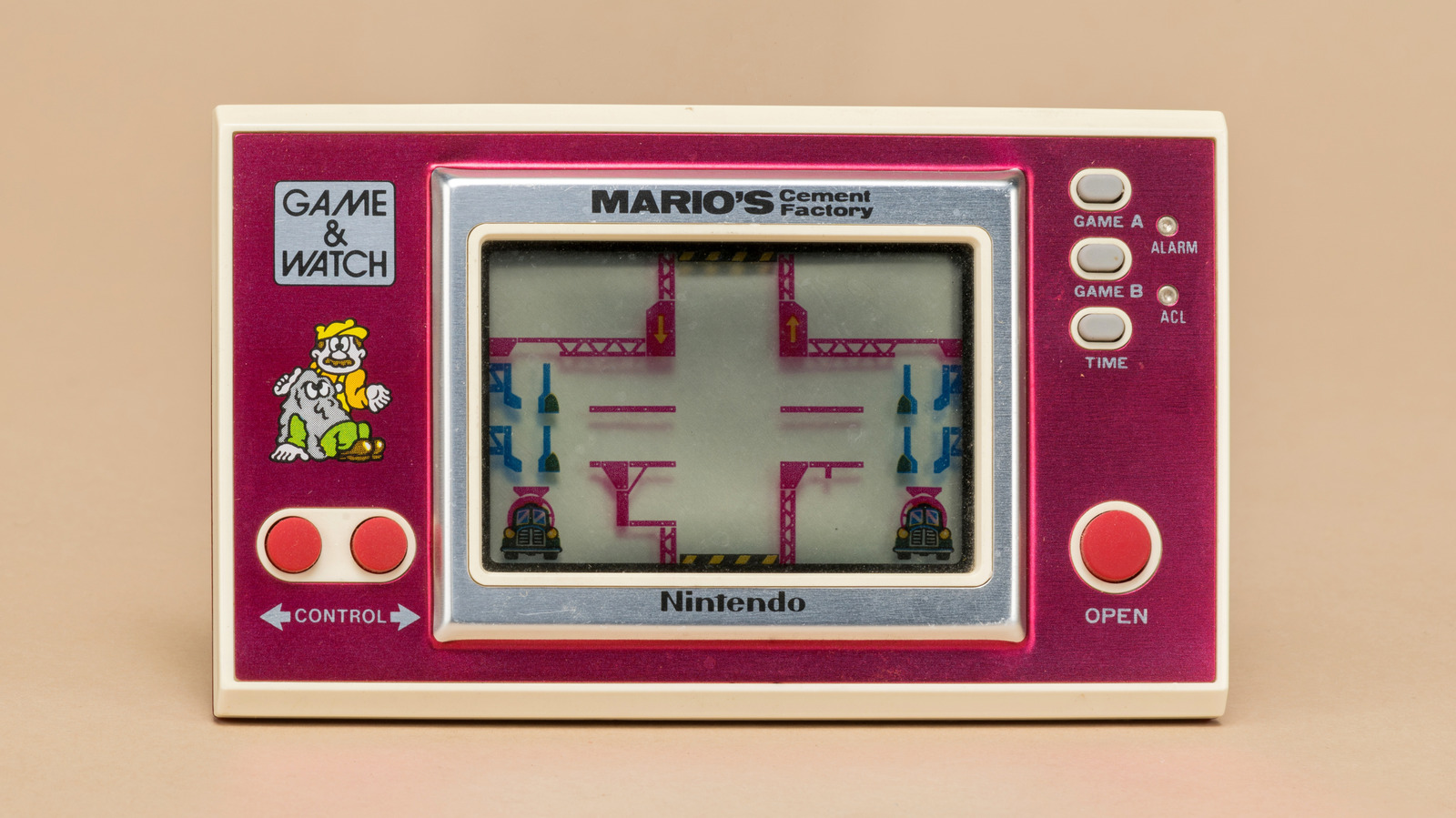
In 1979, Yokoi spotted a salaryman playing with a calculator to pass time on a train. This sparked his vision for portable games that could be played anywhere, anytime.
“games shouldn't be limited to the arcade and at home, but should be available on the go”
Game & Watch technology explained
The Game & Watch used LCD screens and button cell batteries from calculator technology, displaying graphics through a segment system similar to digital numbers. The first game in 1980 used a chip capable of 72 segments.
From monthly releases to 43 million sold
Nintendo released 59 Game & Watch titles between 1980 and 1991, often one per month. The series eventually evolved to include the iconic clamshell dual-screen format and sold over 43 million units worldwide.
Lateral thinking with old tech
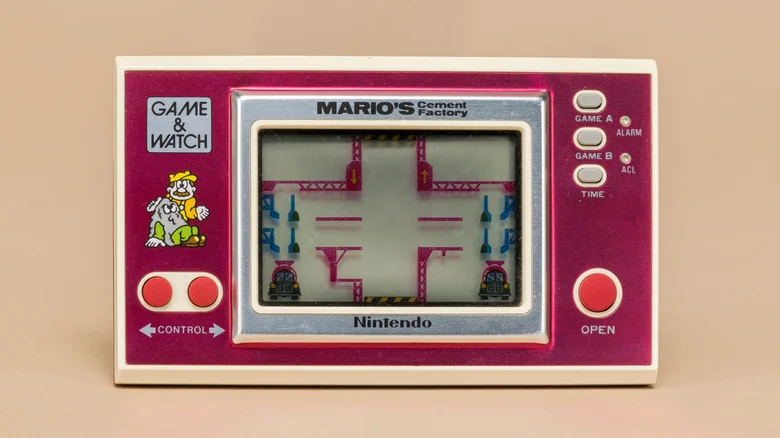
Yokoi developed a philosophy of finding new uses for proven, older hardware. He applied this to the Game Boy, choosing simpler, cheaper components than competitors, resulting in better portability and battery life.
The clamshell and the D-pad
Game & Watch introduced two innovations still used today: the protective clamshell dual-screen design and the D-pad directional controller, both now standard on handheld gaming devices.
Yokoi's lasting legacy
Without Game & Watch, Nintendo might have gone under financially or never developed the Game Boy and Nintendo DS. Yokoi's innovations saved the company twice and fundamentally shaped modern gaming.
“If it weren't for Game & Watch, today's handheld game systems would probably be different.”
The headline
Nintendo's Game & Watch proved that great innovation comes from repurposing existing technology in unexpected ways, a philosophy that still guides the company today.





