From Engadget · Christine Persaud · · 1m 30s
How Google Maps knows a place is packed
Your phone is either reading the crowd or joining it, and Google Maps runs on the difference.
In brief
Your phone is either reading the crowd or joining it, and Google Maps runs on the difference. Popular times and wait estimates come from aggregated Timeline data, so the feature only works because enough people leave location history switched on. Originally reported by Engadget.
More than directions
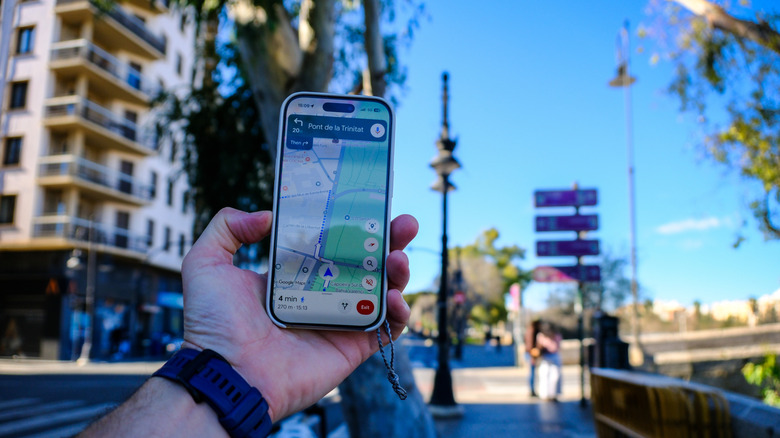
Google Maps layers live busyness onto every listing, alongside ratings, hours and popular dishes. A glance tells you whether you are walking into a queue.
“At a glance, it can tell you how busy a place is and how long you may be likely to wait.”
Why busyness changes plans
In a rush before a drive? Skip the packed breakfast spot. Chasing atmosphere? Show up once the bar has filled in. Same data, opposite decisions.
Counting phones, not people

Google aggregates anonymous data from users who opted into Maps Timeline, then measures device density in a venue and compares it against that place's typical traffic.
“By tracking the density of devices in a certain place, Google can determine how many people are in a specific venue”
Wait times from history
Popular times, queue lengths and average visit duration come from visitor patterns over the previous few weeks. That is how you know a museum eats two hours.
Whole neighbourhoods too
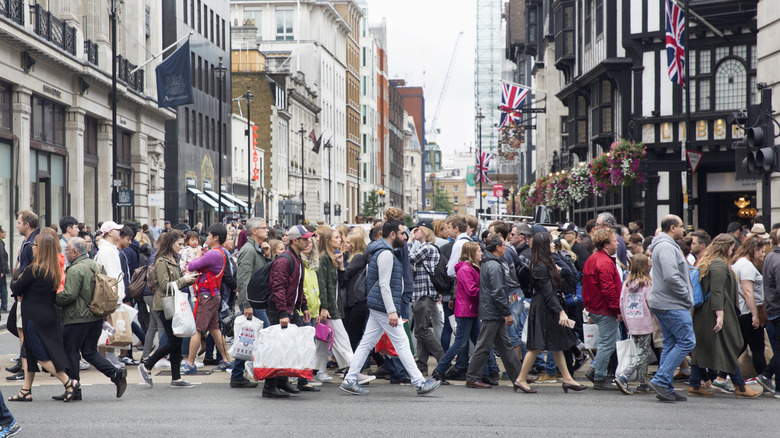
Tap a "Busy area" label and Maps charts the peak hours for a district, built from its shops, restaurants and parks. Private residences are excluded, and quiet towns often lack data.
“It does not, however, capture data from private residences.”
The price of the feature
Google says it never reveals identities or headcounts, only busy, not busy, or avoid. But opting into Timeline means near-constant tracking, and switching it off removes you from the pool.
“with this feature on, Google is essentially always tracking your activity”
The big picture
Popular times and wait estimates come from aggregated Timeline data, so the feature only works because enough people leave location history switched on.