From Engadget · Adnan Ahmed · · 1m 20s
MagSafe: what it gets right, and wrong
Magnets save your MacBook from a tripped cord, but on iPhone the same name means something slower.
In brief
Magnets save your MacBook from a tripped cord, but on iPhone the same name means something slower. MagSafe is a convenience feature, not a speed one. Wired USB-C still charges faster and does more. Originally reported by Engadget.
Back from the dead
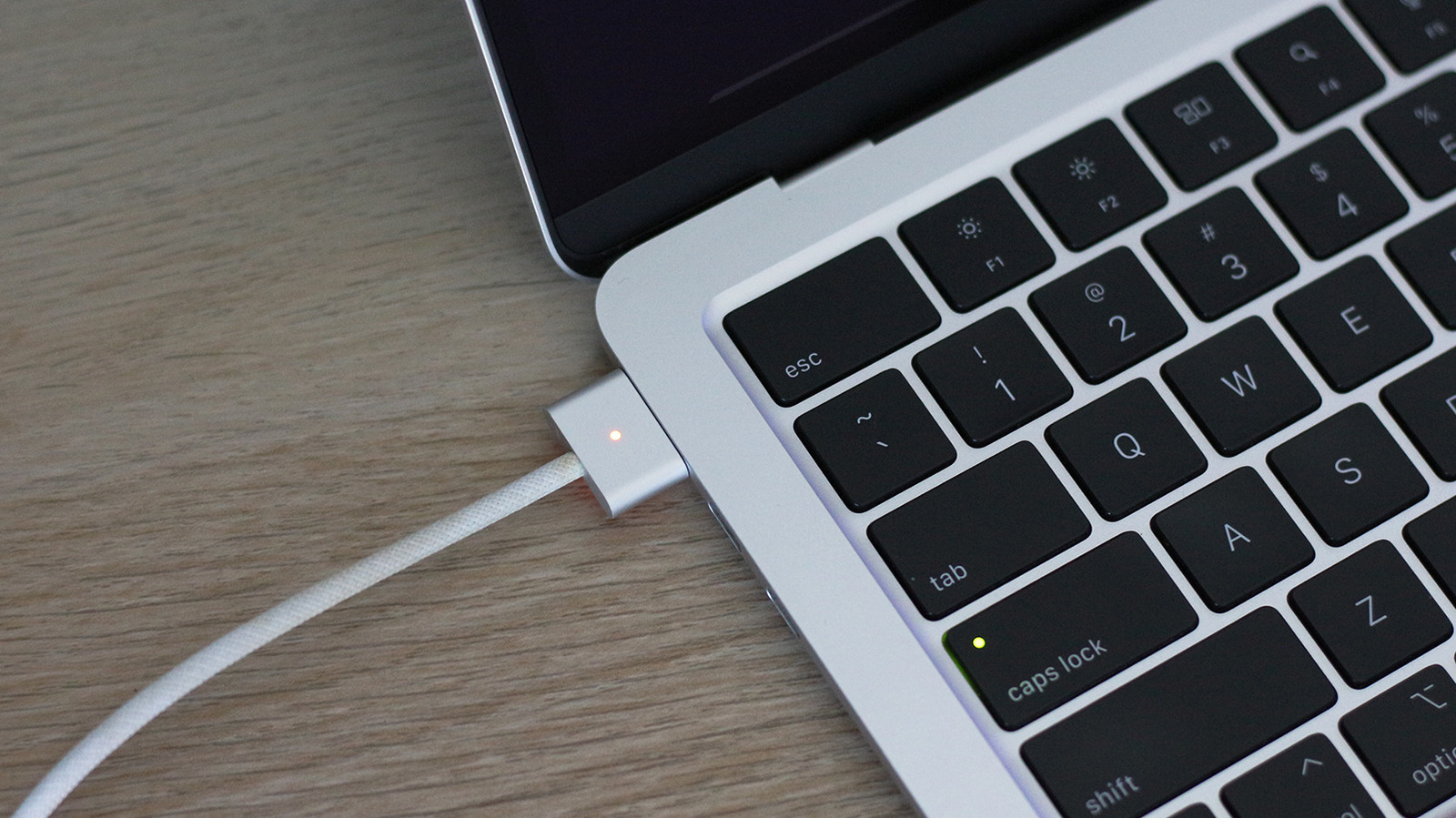
Apple launched MagSafe in 2006 as a magnetic power plug for the MacBook Pro, killed it for USB-C in 2015, then brought it back to the MacBook line.
“MagSafe as a technology actually dates all the way back to 2006”
Snap on, no yank
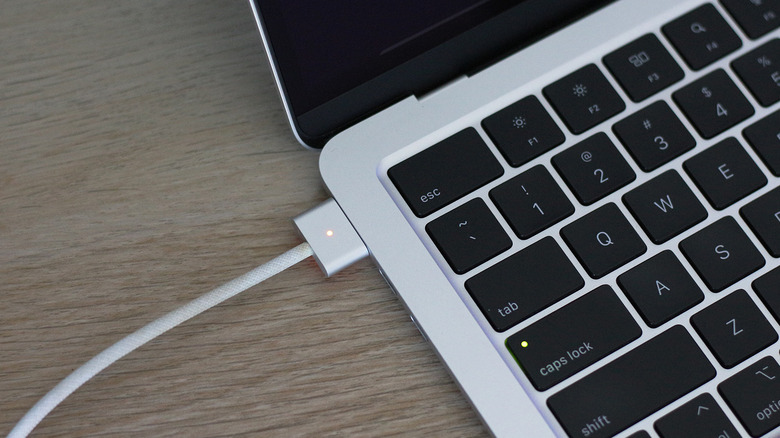
The connector pulls itself into the port, and if someone trips over the cable it pops off instead of dragging your MacBook to the floor.
“there's far less of a chance of your MacBook getting yanked off a desk”
One cable, one job
MagSafe is proprietary, so that cable charges a MacBook and nothing else. A USB-C cable charges everything and also runs displays, drives and peripherals.
Desk versus bag
The writer used MagSafe while the MacBook lived on a desk, then switched to USB-C once it started traveling. New USB-C cables are easier to justify buying.
“the moment I started carrying it around, relying on USB-C just made more sense”
iPhone MagSafe is wireless
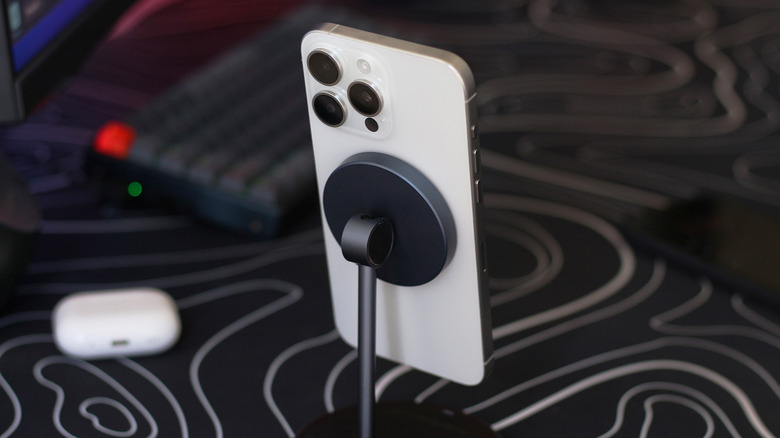
Same name, different thing. It tops out at 15W on iPhone 17e, 15 and older, 25W on newer models, while a wired USB-C charger hits 60W on the iPhone 18 Pro.
“it cannot (yet) charge an iPhone as quickly or efficiently as a wired USB-C or Lightning connection”
Best for overnight
No charger comes in the iPhone box, so you pay extra. It shines on a nightstand stand, and the magnets also carry wallets, car mounts and AirPods cases.
The key point
MagSafe is a convenience feature, not a speed one. Wired USB-C still charges faster and does more.





