From Engadget · Anna Washenko · · 1m 10s
NASA builds batteries that survive the Moon
NASA's SPEARS project develops solid-state batteries that can withstand the Moon's extreme temperatures, from 212 degrees Fahrenheit in daylight to minus 328 degrees at night.
In brief
NASA's SPEARS project develops solid-state batteries that can withstand the Moon's extreme temperatures, from 212 degrees Fahrenheit in daylight to minus 328 degrees at night. NASA is developing solid-state batteries through the SPEARS project to power equipment on the Moon during future Artemis missions, where…
Standard batteries fail on the Moon
Lithium-ion batteries with liquid electrolytes freeze in extreme cold and fail in extreme heat. The Moon reaches daytime highs of two hundred twelve degrees Fahrenheit and nighttime lows of minus three hundred twenty eight degrees…
“The moon can hit daytime highs of 212 degrees F (100 degrees C) while the nighttime lows at its southern pole plummet to as low as minus 328 degrees Fahrenheit (minus 200 Celsius)”
NASA's SPEARS project builds a solution
Solid Power for Extreme Environment Adaptability and Resilience in Space, or SPEARS, develops batteries using solid ceramic or polymer materials instead of liquid electrolytes. These batteries require less energy-intensive thermal management than lithium-ion batteries.
SPEARS batteries could power Artemis missions
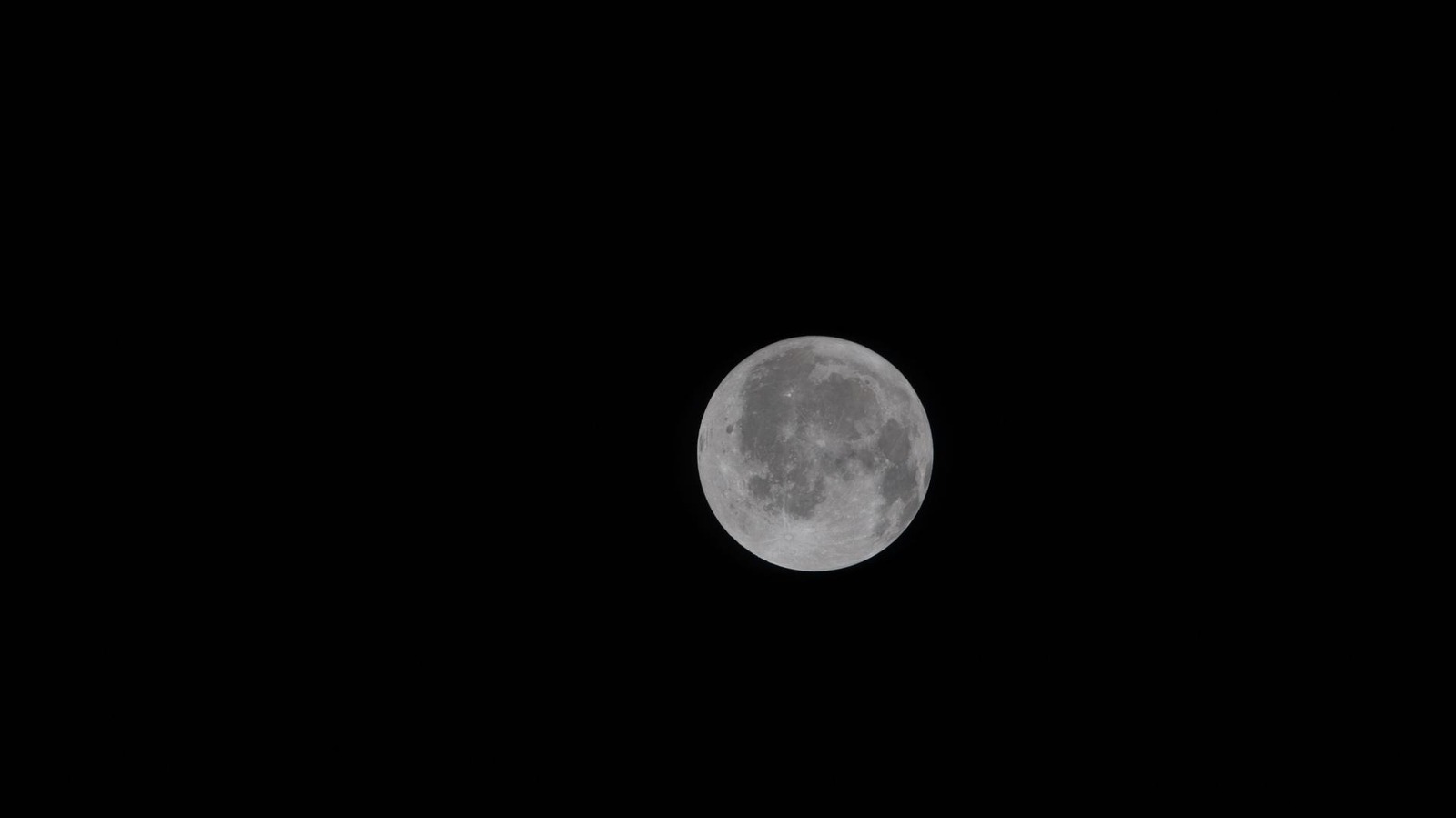
NASA plans to use SPEARS batteries for future Artemis missions on the Moon. The same technology could eventually power gadgets on Earth, though the project was initially developed for the dramatic climates of Mars.
The essence
NASA is developing solid-state batteries through the SPEARS project to power equipment on the Moon during future Artemis missions, where standard lithium-ion batteries fail in extreme cold and heat.





