From Engadget · Jack Whitcombe · · 3m
Robot vacuums aren't magic cleaning machines
Before you ditch your regular vacuum, understand what robot vacuums actually can and can't do.
In brief
Before you ditch your regular vacuum, understand what robot vacuums actually can and can't do. Robot vacuums are helpful for maintenance cleaning but require floor prep, regular maintenance, and won't replace traditional vacuums for deep cleaning or complex spaces. Originally reported by Engadget.
The promise sounds perfect
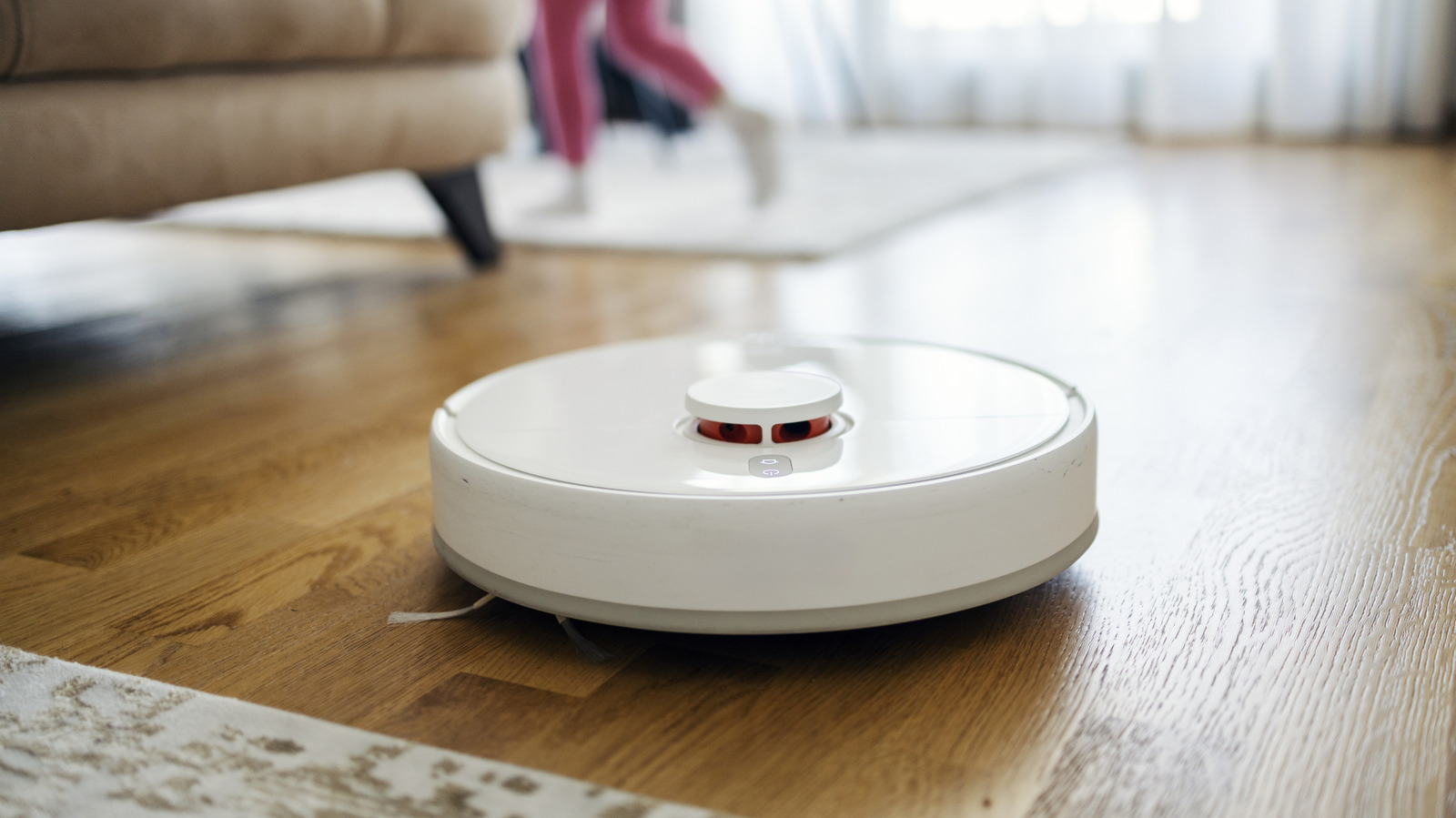
Robot vacuums can map your home and clean automatically, even emptying their own dustbins and mopping hard floors. But they're not a true replacement for human cleaning.
You still need to prep floors
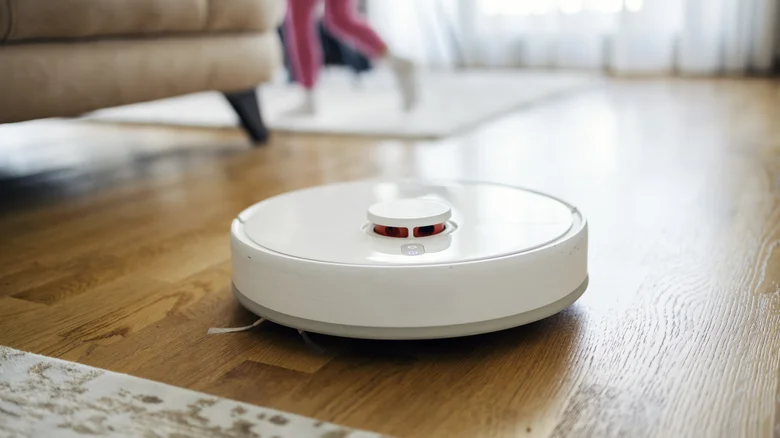
Robot vacuums can't move obstacles like chairs or pick up toys and cables. Even expensive models with LiDAR and AI cameras struggle with loose cables that wrap around brushes or lightweight rugs.
Cheap models use bump sensors
Budget robot vacuums physically collide with obstacles before changing direction, causing them to go over the same spot repeatedly. Better models use infrared or LiDAR to navigate more smoothly.
Thick carpets are tough
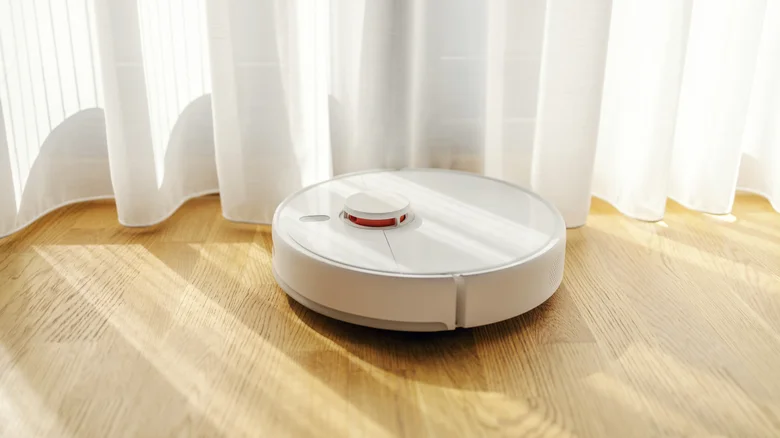
Robot vacuums excel at picking up crumbs from hard floors but struggle with dirt embedded in thick carpet fibers. They lack the powered floorhead and back-and-forth motion of traditional vacuums.
Transitions between surfaces cause problems
Raised rug edges and doorways between different floor types can trap robot vacuums. Once stuck, suction power becomes irrelevant until you manually free it.
Corners remain a weak spot
Most robot vacuums are circular and struggle to clean tight corners effectively. Side brushes and extending brushes help but can't fully solve the problem with current designs.
Stairs and upholstery need humans
Robot vacuums can't climb stairs or clean upholstery yet. Prototype models exist but aren't commercially available. You'll still need a traditional vacuum for these tasks.
Premium features cost significantly more
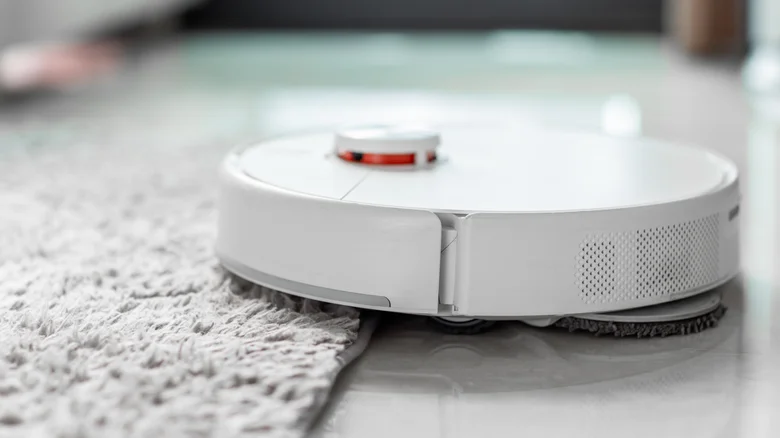
Basic models start under one hundred dollars but offer questionable durability. Self-emptying docks and mopping capabilities push prices to three hundred dollars or more, with top models reaching seventeen hundred dollars.
Self-emptying doesn't mean maintenance-free
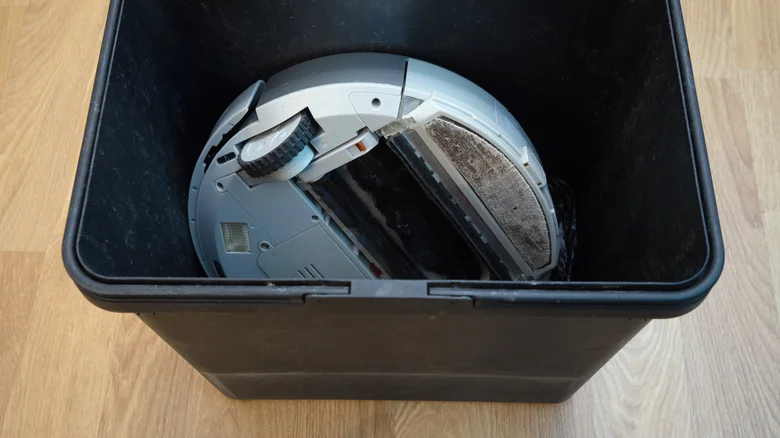
Self-emptying docks just move dirt to a larger container you'll eventually empty. You still need to clean and replace brushes, filters, and deal with hair wrapping around moving parts.
Mopping adds more work
If your robot vacuum mops, you'll need to fill water tanks and clean dirty pads regularly. Neglecting maintenance degrades performance or breaks the vacuum entirely.
They're best for maintenance, not replacement
Robot vacuums work well for keeping on top of light dirt between deep cleans but can't fully replace traditional vacuums. You'll still need to clear floors, clean corners, and maintain the robot itself.
“They're not a fully fledged replacement for the human element.”
What it means
Robot vacuums are helpful for maintenance cleaning but require floor prep, regular maintenance, and won't replace traditional vacuums for deep cleaning or complex spaces.





