From Engadget · Husain Parvez · · 1m 40s
USB extenders work, but not always how you expect
USB extenders can lengthen your connection, but speed, power and features may not survive the journey.
In brief
USB extenders can lengthen your connection, but speed, power and features may not survive the journey. USB extenders do work but may reduce speed, power or features depending on type and distance, requiring careful matching to your device's needs. Originally reported by Engadget.
USB extenders work, with caveats
USB extenders do work but the term covers passive cables, active repeaters and CAT or fiber extenders. They don't all preserve speed, power or features.
High-bandwidth devices expose the limits
Keyboards and mice work fine with any extender. Four K webcams, external SSDs and USB-C docks need more bandwidth and may slow down, disconnect or lose features.
Distance determines your extender type
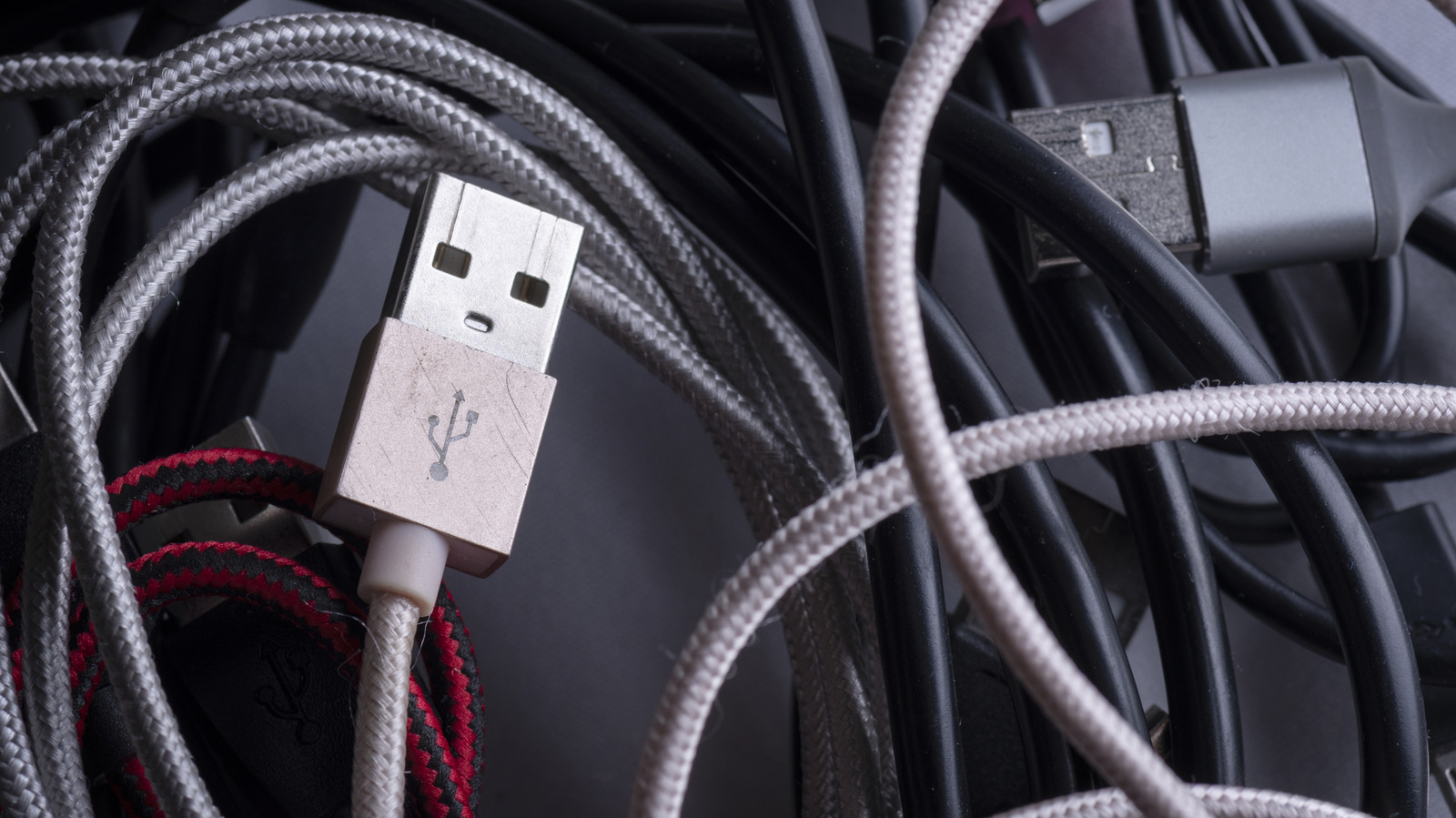
Passive cables work up to sixteen feet for USB two point zero and ten feet for USB three point x. Beyond that, active extenders with signal regeneration become necessary.
Active extenders reach much farther
StarTech's thirty three foot active USB three point two cable reaches five gigabits per second. Icron's Raven thirty one zero four reaches three hundred twenty eight feet using CAT six a or CAT seven cable.
Power and data are separate problems
USB Power Delivery supports up to two hundred forty watts but source, device and cable must all support that level. A cable may have fast charging but slow data, or vice versa.
“There's no guarantee of fast data with fast charging, and vice versa.”
USB-C extensions need careful checking
Generic male to female USB-C extension cables are not listed in USB-IF's passive compliance document. For USB four, display output or high power charging, an AC extension cord may work better than extending USB itself.
The essence
USB extenders do work but may reduce speed, power or features depending on type and distance, requiring careful matching to your device's needs.





