From Engadget · Mariella Moon · · 1m 10s
Webb finds the galaxy behind the farthest radio burst
The James Webb telescope has pinpointed the origin of a fast radio burst detected in 2024, revealing it came from an unexpectedly small galaxy just 3 billion years after the Big Bang.
In brief
The James Webb telescope has pinpointed the origin of a fast radio burst detected in 2024, revealing it came from an unexpectedly small galaxy just 3 billion years after the Big Bang. Webb telescope traced the farthest fast radio burst to a galaxy far smaller than expected, suggesting these bursts come from supernovae…
Webb traces the farthest burst
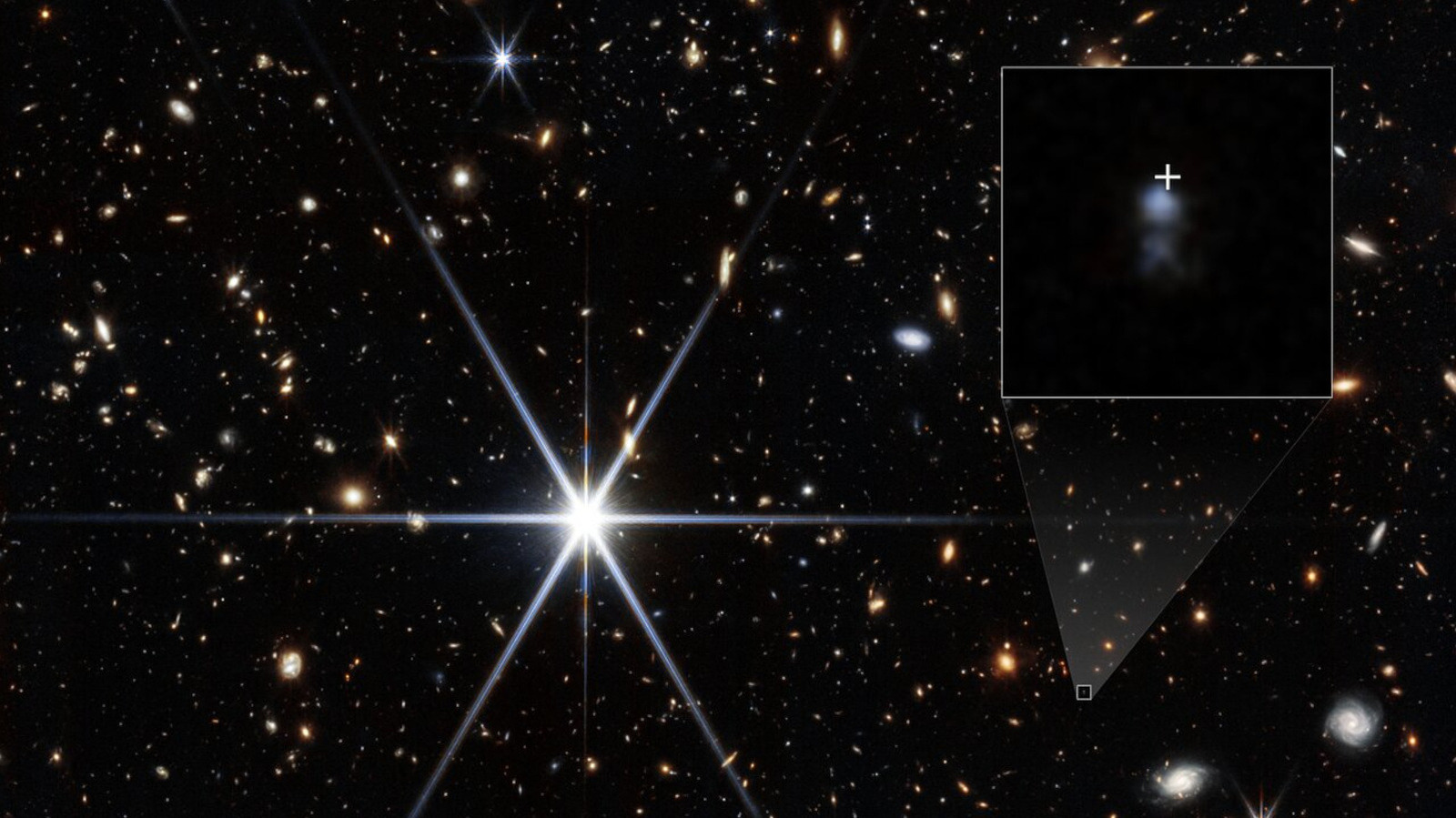
The James Webb telescope has pinpointed the origin of a fast radio burst detected in 2024 by the MeerKAT ground telescope array.
A galaxy from the early universe
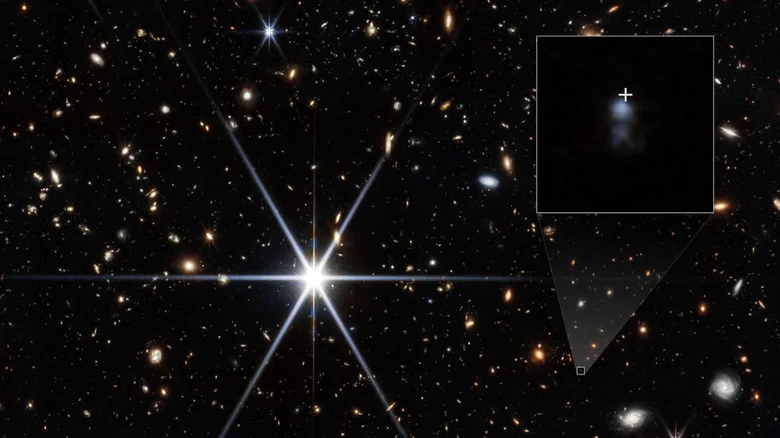
Webb's near-infrared instruments detected the galaxy where the burst originated.Based on how its light stretches, the burst occurred just three billion years after the Big Bang, when star formation was at its peak.
Supernova theory gains support
Two theories explain fast radio bursts: neutron star mergers, which take billions of years and require older galaxies, or supernovae creating magnetars, rare neutron stars with highly powerful magnetic fields.
“Our work suggests that it's very unlikely that this [fast radio burst] was produced by a merger.”
Evidence points to supernova origin
The work shows the burst was likely produced by a supernova, providing support for the theory that fast radio bursts can come from a certain type of star explosion.
Here's the gist
Webb telescope traced the farthest fast radio burst to a galaxy far smaller than expected, suggesting these bursts come from supernovae rather than neutron star mergers.





