From Engadget · Husain Parvez · · 1m 20s
What anti-aliasing actually does to your PC games
Anti-aliasing smooths jagged edges in games, but different methods trade performance, sharpness and ghosting in different ways.
In brief
Anti-aliasing smooths jagged edges in games, but different methods trade performance, sharpness and ghosting in different ways. Anti-aliasing smooths jagged edges in games by representing curved lines on square pixels, but methods vary in GPU cost and visual trade-offs. Originally reported by Engadget.
The jaggies problem
Games represent curved and diagonal edges on square pixels, creating stair-step patterns called jaggies. Anti-aliasing smooths these rough edges but involves trade-offs.
SSAA and MSAA approaches
SSAA renders at higher resolution then downsamples, working well but taxing the GPU heavily. MSAA focuses samples around geometry edges, offering a more reasonable compromise.
MSAA's limitation
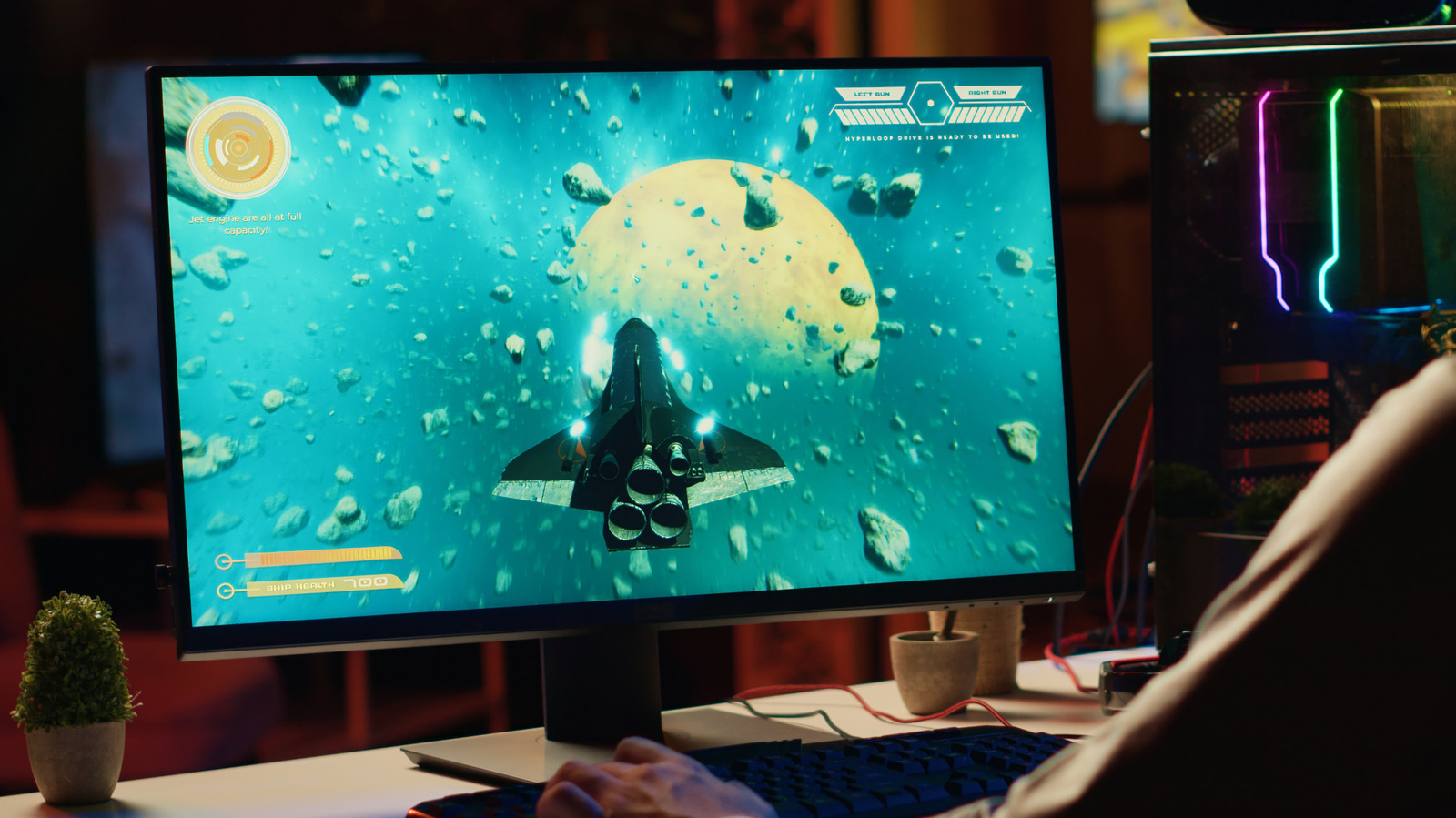
MSAA primarily addresses geometry edges while aliasing from materials, textures and transparent surfaces can remain. Epic's Unreal Engine supports MSAA only with forward renderer, not deferred.
Post-render filtering methods
FXAA detects high-contrast edges and smooths them quickly but may soften detail. SMAA uses advanced edge detection to retain sharpness while keeping performance cost relatively low.
Temporal anti-aliasing trade-offs
TAA uses previous frames to smooth edges and minimize shimmering on fences and foliage. However it can cause softness or ghosting when previous frame information doesn't align cleanly.
“Two anti-aliasing methods can appear almost the same in a paused screenshot, while panning the camera can reveal shimmering, blur or ghost trails almost instantly.”
Modern deep learning options
NVIDIA's DLAA uses Super Resolution technology at native resolution. AMD has Native AA mode with FSR, and Intel's XeSS also offers Native Anti-Aliasing at native resolution.
Here's the gist
Anti-aliasing smooths jagged edges in games by representing curved lines on square pixels, but methods vary in GPU cost and visual trade-offs.