From Engadget · Max Miller · · 2m
Wired keyboards still beat wireless for gaming
Bluetooth adds latency that matters in competitive play, while 2.4GHz offers a middle ground with tradeoffs.
In brief
Bluetooth adds latency that matters in competitive play, while 2.4GHz offers a middle ground with tradeoffs. Wired keyboards have the lowest latency for gaming; Bluetooth is fine for typing but risky for competitive play; 2.4GHz wireless is a practical compromise if you avoid interference. Originally reported by…
Why wired keyboards still exist
Gaming keyboards rarely go wireless because Bluetooth adds latency that can cost you matches. Wired connections avoid this problem entirely, which is why performance-focused gamers stick with them.
Bluetooth latency explained
Bluetooth can add 8 to over 200 milliseconds of delay between your keypress and your computer registering it. You won't notice this typing emails, but in competitive gaming where reaction time is everything, it can mean the difference between winning and losing.
Why Bluetooth can't be fixed
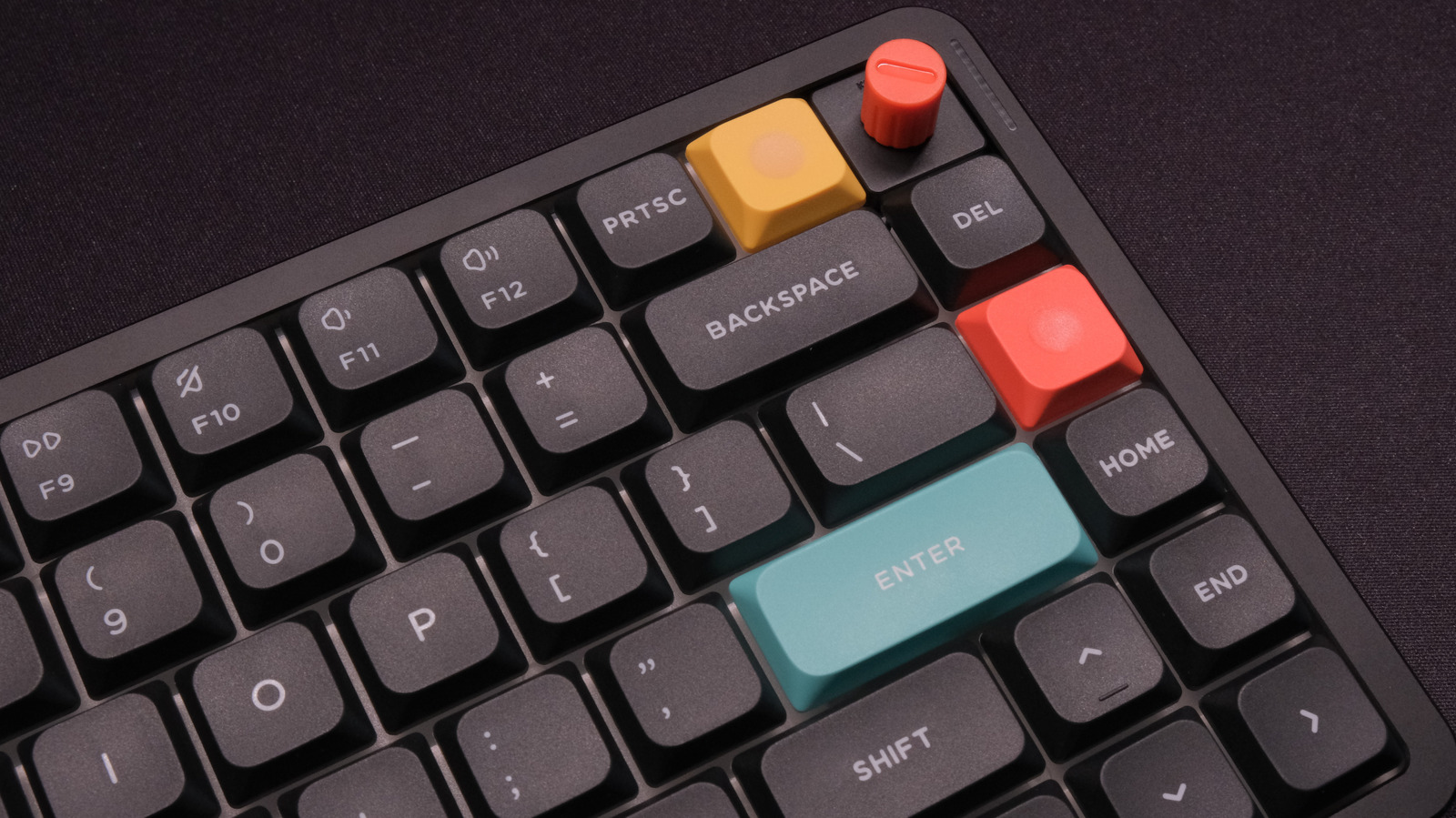
Bluetooth prioritizes maintaining a stable connection with compressed data over speed. Modern gaming keyboards solve latency through Hall effect switches and high polling rates, but there's no way around Bluetooth's fundamental limitations.
The convenience tradeoff
Most people accept Bluetooth's performance hit for the freedom of wireless. For everyday typing or turn-based games, the latency is imperceptible. Only competitive shooters and rhythm games where split-second timing matters make it a real problem.
“I type articles like these on a Bluetooth keyboard because I would need to type faster than humanly possible to notice the drop in performance.”
Enter 2.4GHz wireless
2.4GHz connections use a USB dongle and offer latency as low as 0.5 milliseconds, nearly matching wired keyboards. Each manufacturer builds their own standard, so you can't mix dongles between brands.
2.4GHz beats Bluetooth for gaming
2.4GHz is fast enough for competitive gaming and gives you wireless freedom without the latency penalty. It's the best-of-both-worlds option if you want to ditch the cable.
2.4GHz has real drawbacks
Each peripheral needs its own dongle, eating up USB ports. USB 3.0 ports create interference, and busy radio environments like cafes can cause signal dropouts. Some keyboards need line-of-sight to the dongle.
The final verdict
For absolute reliability in any situation, wired is unbeatable. If you game competitively, test 2.4GHz before buying. For casual typing and non-competitive games, Bluetooth works fine.
“For the most rock-solid performance in any circumstance, there's simply no replacement for a good, old-fashioned wire.”
Here's the gist
Wired keyboards have the lowest latency for gaming; Bluetooth is fine for typing but risky for competitive play; 2.4GHz wireless is a practical compromise if you avoid interference.





