From Engadget · Jonny Evans · · 1m 40s
Wired vs. wireless charging: Which is better for battery health?
Wireless charging is less efficient and generates more heat, but the right strategy balances convenience with battery longevity.
In brief
Wireless charging is less efficient and generates more heat, but the right strategy balances convenience with battery longevity. Use wireless charging for daytime top-ups and wired charging overnight to optimize both battery health and convenience. Originally reported by Engadget.
Wireless charging loses 30 percent efficiency
Wireless chargers use electromagnetic induction to transfer power, requiring more steps than wired charging. The lost energy converts to heat, which can reduce battery capacity by up to 12 percent over two years.
Heat buildup damages batteries faster
The heat generated by wireless charging can degrade battery capacity by up to 25 percent in hot environments. Qi-certified systems with proper power management help prevent unsafe overheating.
Wired charging is twice as fast
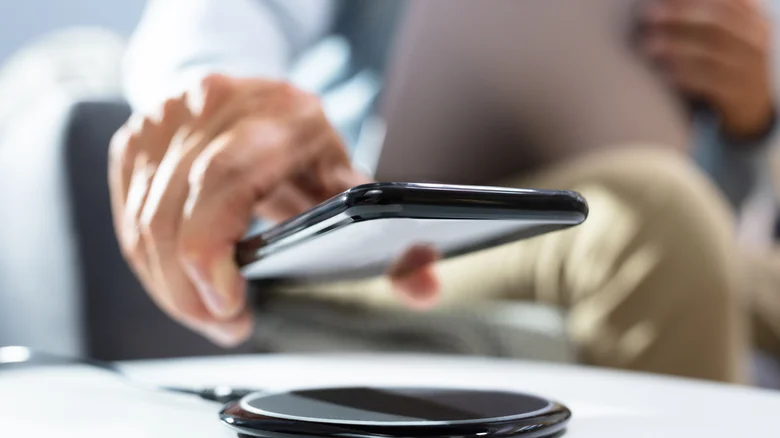
Apple's iPhone 18 Pro reaches 50 percent battery in 15 minutes with a 60W wired charger, but takes 30 minutes wirelessly. Older phones cap at 15W wireless, making charging even slower.
Keep batteries between 20 and 80 percent
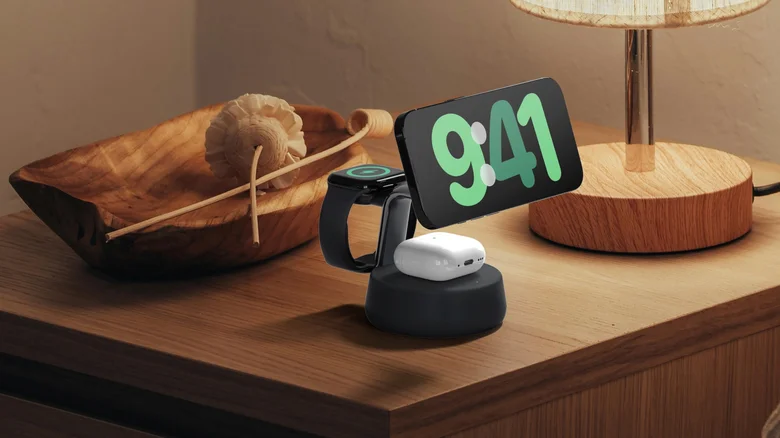
Lithium-ion batteries handle 1,000 to 2,000 full charge cycles before degrading. Staying between 20 and 80 percent charge preserves those cycles. Samsung and Apple offer built-in charging limits in settings.
Alignment and cases matter for wireless
Misaligned phones on wireless chargers create weak magnetic connections, wasting more energy as heat. Remove incompatible cases, as they block the charging coil and reduce efficiency.
The best strategy uses both methods
Use wireless charging for convenient daytime top-ups and wired charging overnight for speed and efficiency. This balances battery health with the 88 percent user satisfaction rate for wireless convenience.
The short version
Use wireless charging for daytime top-ups and wired charging overnight to optimize both battery health and convenience.





