From Engadget · Novak Božović · · 3m
Wired vs. wireless internet: Which should you choose?
The best home internet depends on what's available at your address and how you use the connection.
In brief
The best home internet depends on what's available at your address and how you use the connection. Fiber usually offers the best performance, but fixed wireless can be faster to install and competitive in real-world use if available at your location. Originally reported by Engadget.
Two types of home internet
Wired internet uses physical lines like fiber, coaxial cable or DSL to reach your home. Fixed wireless sends the connection over 4G LTE or 5G to a gateway inside your house.
How wired connections work
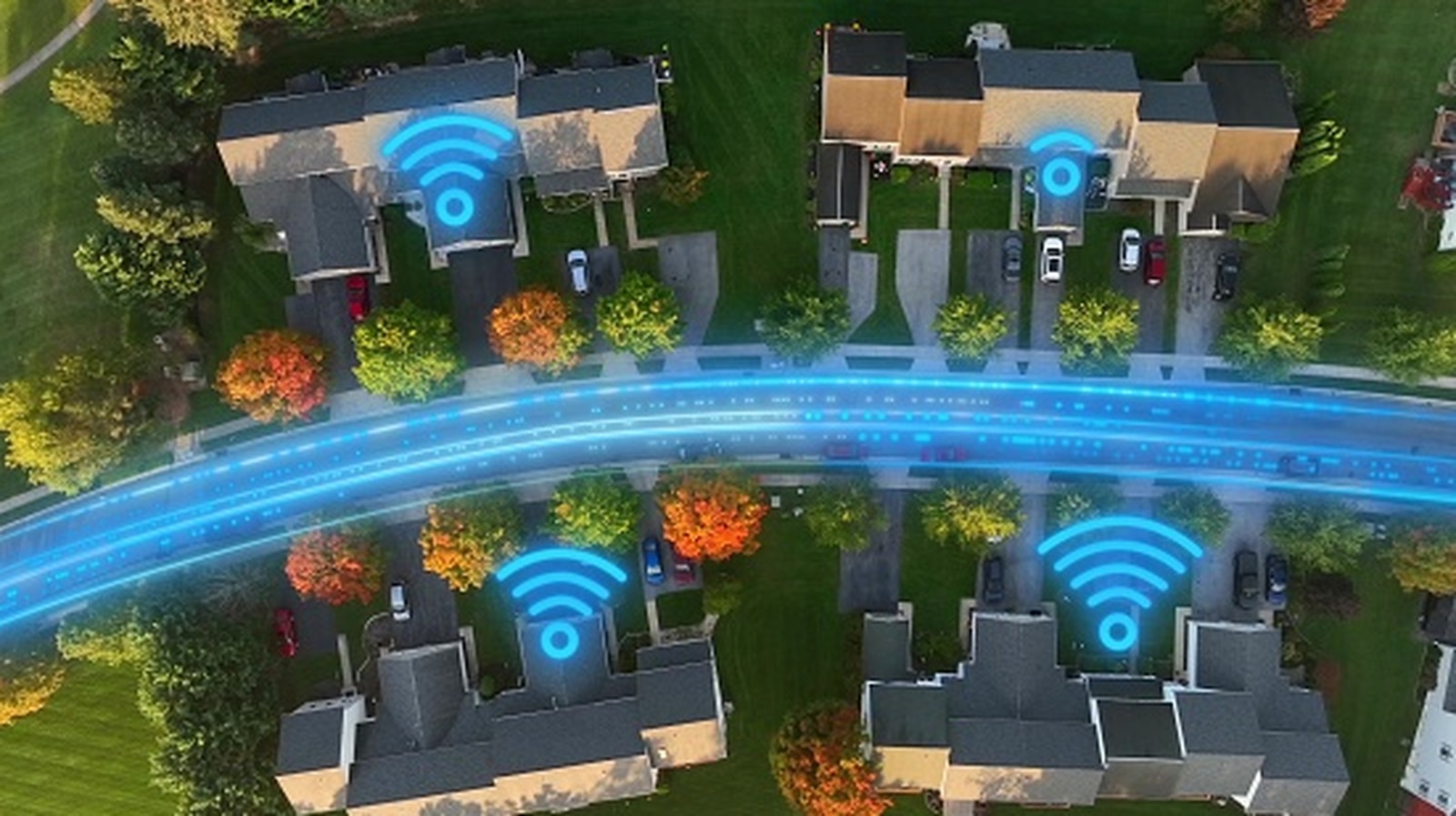
A physical line runs to your property and a gateway converts the incoming signals into ones your devices can use. The gateway may also function as a router and Wi-Fi access point.
How fixed wireless works
A gateway inside your home connects to the provider's 4G LTE or 5G network like a smartphone does, then passes that connection to your other devices over Wi-Fi or Ethernet.
Both can provide Wi-Fi and wired connections
Either connection type can deliver Wi-Fi throughout your house. Fixed wireless gateways often have Ethernet ports too, so you can plug in devices directly without relying on Wi-Fi.
Wired internet usually faster

Fiber and cable typically deliver higher average download speeds than fixed wireless. However, real-world quality depends on factors like latency and packet loss, where fixed wireless can compete.
Fixed wireless speeds are competitive
T-Mobile Rely offers 170 to 354 Mbps downloads, AT&T Internet Air offers 90 to 300 Mbps, and Verizon 5G Home ranges from 25 to 1,000 Mbps depending on the plan and network type.
Fixed wireless has variability
Performance depends on the radio signal at your location and available network capacity. Fiber and cable don't rely on cellular signals, though both can experience congestion and outages.
Fixed wireless is easier to install
You can usually self-install a fixed wireless gateway without waiting for technicians or new infrastructure. Many providers also offer no contracts or early termination fees.
Availability often decides for you
Wired providers need the right infrastructure at your address. Fixed wireless depends on carrier coverage and network capacity. Check the FCC National Broadband Map to see what's available.
Compare complete plans, not just speed
Check download and upload speeds, latency, monthly price, equipment charges, data limits and what happens after promotional pricing ends. For fixed wireless, try a trial period first.
Fiber is usually the best choice
If competitively priced fiber reaches your home, it offers the best mix of affordability, performance and speed. But a good fixed wireless connection beats slow or expensive wired alternatives.
The bottom line
Fiber usually offers the best performance, but fixed wireless can be faster to install and competitive in real-world use if available at your location.