From Family Handyman · Aaron Turpen · · 1m 50s
Octane Ratings: What Gas Pump Numbers Really Mean
Gas pump octane ratings don't indicate fuel power but knock resistance, here's what your car needs.
In brief
Gas pump octane ratings don't indicate fuel power but knock resistance, here's what your car needs. Octane ratings measure fuel resistance to engine knock; most vehicles don't benefit from higher octane fuels. Originally reported by Family Handyman.
Quick answers
- Do Higher Octane Help Non-Premium Vehicles?
- Most vehicles won't benefit from higher octane; engines designed for lower octane remain efficient without it.
- What is the key takeaway from Octane Ratings: What Gas Pump Numbers Really Mean?
- Octane ratings measure fuel resistance to engine knock; most vehicles don't benefit from higher octane fuels.
What Octane Numbers Mean
Octane ratings show how resistant gasoline is to engine knock, not fuel power or engine cleaning.
“Octane rating essentially tells you how resistant gasoline is to this unwanted self-ignition.”
Why Octane Matters
Higher octane fuels resist knock better, preventing engine damage from premature combustion.
“Persistent severe knock can damage pistons, bearings, spark plugs, and other critical engine components.”
Gas Pump Octane Options

Gas pumps list octane ratings from 85 to 93, standardized by ASTM International as AKI numbers.
“The octane rating listed on the pump given as the Anti-Knock Index (AKI) number.”
Octane Calculation
AKI is the average of Research Octane Number (RON) and Motor Octane Number (MON) tests.
“Adding those together and dividing by two to get an average returns the AKI.”
Why Some Vehicles Need Premium Fuel
Turbocharged engines and high-compression vehicles require higher octane to prevent knock without damage.
“Many turbocharged, high-efficiency engines require higher octane fuel to operate.”
Do Higher Octane Help Non-Premium Vehicles?
Most vehicles won't benefit from higher octane; engines designed for lower octane remain efficient without it.
“Most modern engines are designed to do something similar, though how much adjustment will depend very much on the engine’s design.”
Saving Money with Lower Octane
Using minimum octane fuel (85 or 87) saves money without harming engine performance for most vehicles.
“For most vehicles and the way we drive them, the answer is yes.”
Hybrid Vehicles and Octane
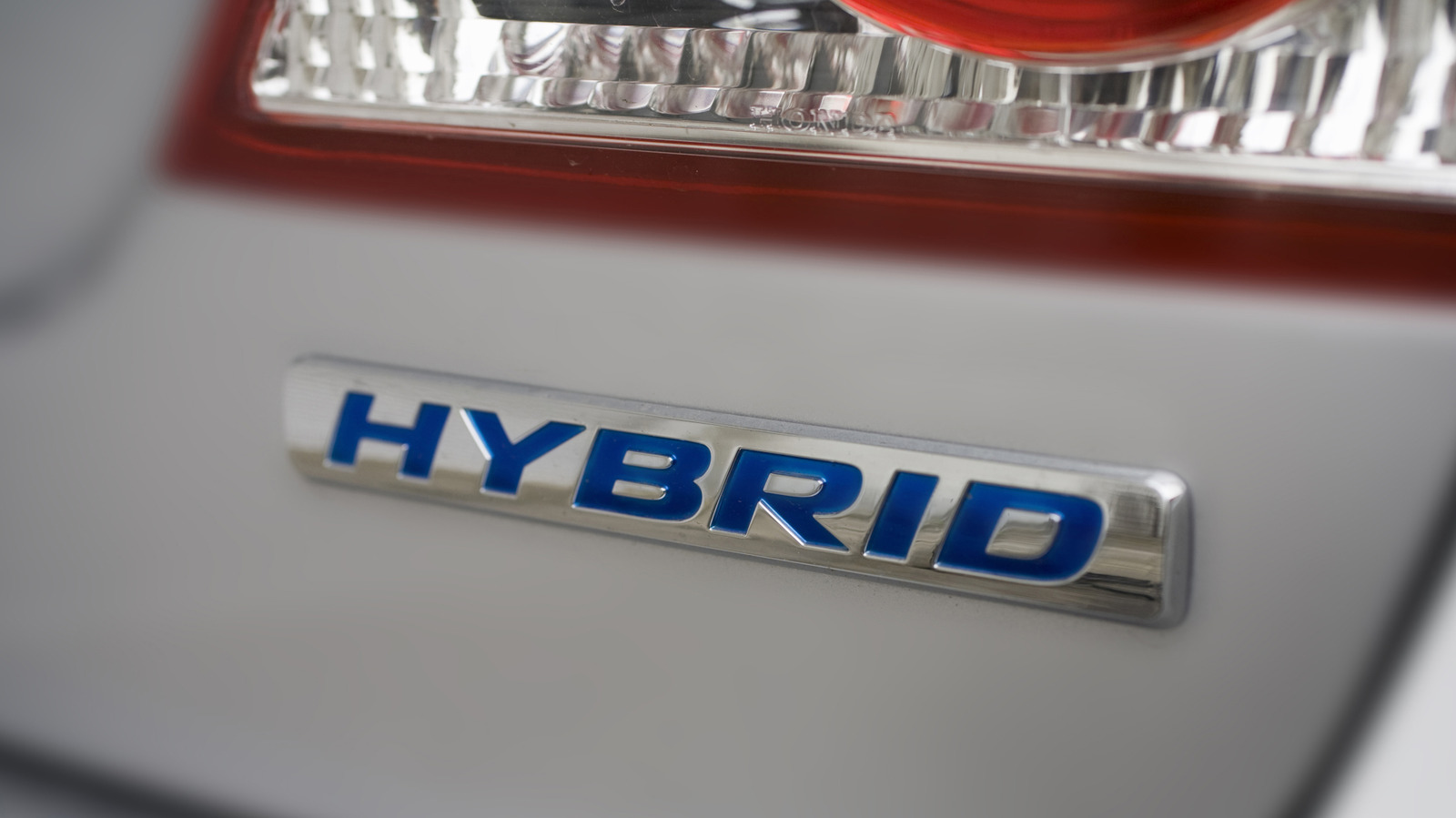
Hybrid vehicles typically don't benefit from higher octane due to less varied timing cycles.
“Most hybrid vehicles will not benefit from higher-octane fuels because they use a less varied timing cycle.”
Engine Knock Explained
Knock occurs when unburned fuel ignites prematurely, causing engine misfires and potential damage.
“Under certain conditions, some of the unburned mixture ahead of the flame front can become hot and pressurized enough to ignite on its own.”
Octane and Fuel Efficiency
Higher octane fuels don't improve efficiency for most vehicles; fuel additives have limited cleaning effects.
“Most of the 'cleaning' of your engine during operation happens despite the fuel, not because of it.”
When to Use Higher Octane
Only use higher octane if your vehicle's manual specifies it or if your engine requires it for optimal performance.
“If your vehicle’s owner’s manual or the manufacturer recommends or requires higher-octane fuel, that is what you should use.”
Final Tip for Gas Pumps
Most vehicles benefit from 85 or 87 octane fuel; higher octane is unnecessary and costly for standard engines.
“There is very little benefit to using high octane fuels in a vehicle that cannot utilize it.”
Here's the gist
Octane ratings measure fuel resistance to engine knock; most vehicles don't benefit from higher octane fuels.