From Fastcompany · · 3m
You Can See Everything captures post-truth exhaustion
Nathan Fielder's documentary about Elizabeth Holmes becomes a mirror for a decade of unreality in American life.
In brief
Nathan Fielder's documentary about Elizabeth Holmes becomes a mirror for a decade of unreality in American life. Nathan Fielder's documentary about Elizabeth Holmes uses the Theranos founder's dishonesty to reflect how a decade of post-truth politics and confident falsehoods have reshaped American public life…
A tech documentary that demands the theater
Nathan Fielder and Lance Oppenheim's profile of disgraced Theranos CEO Elizabeth Holmes creates moments that inspire gasps, laughter and involuntary hand gestures in audiences.
Fielder confronts Holmes on her dishonesty
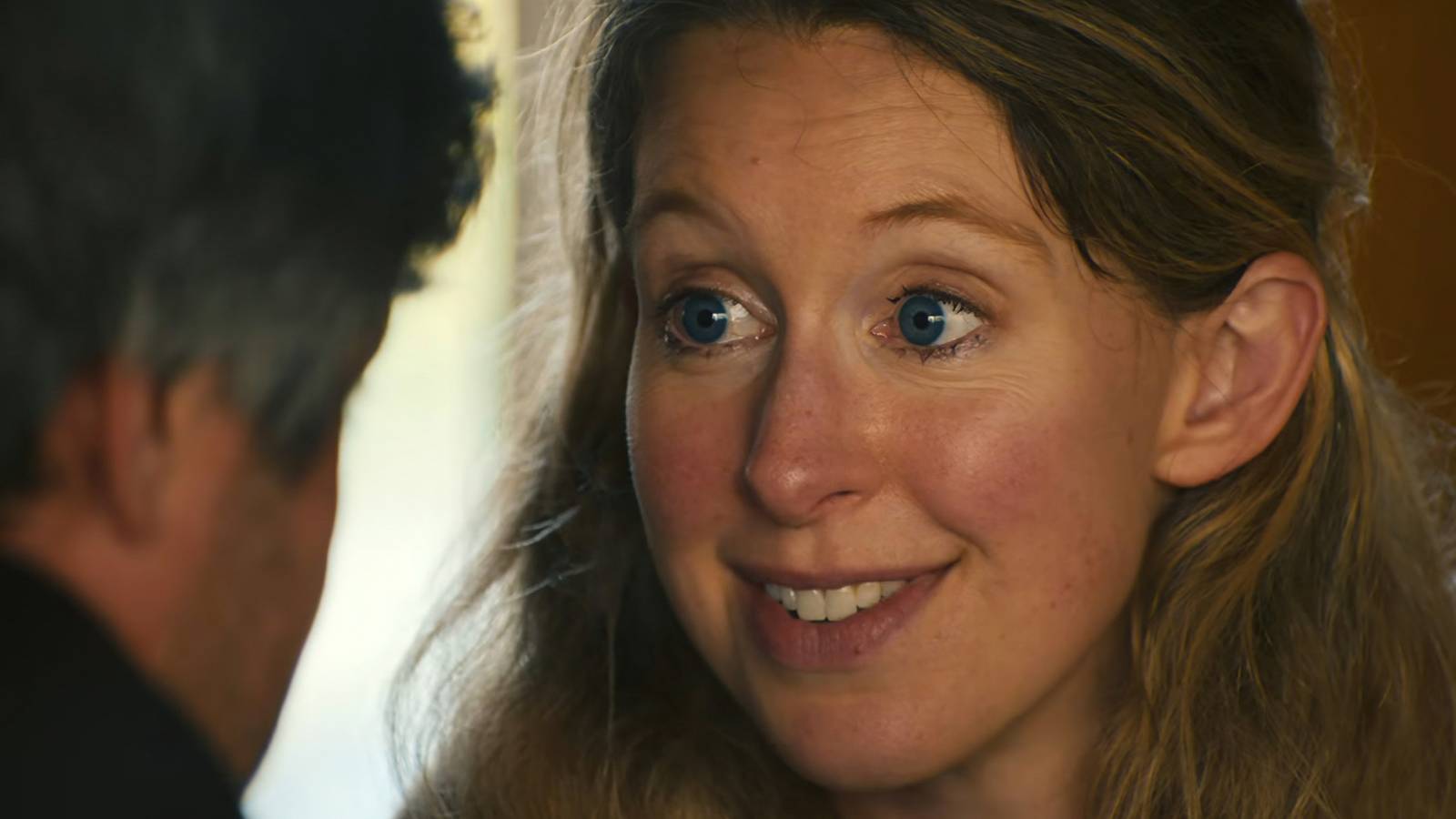
In one scene, Fielder attempts to pin down Holmes about her history of dishonesty. When Holmes says something hard to believe, Fielder's deadpan astonishment registers as volcanic.
“Liz, what?!”
A cathartic rejection of unreality
A decade into the post-truth era, Fielder's naked reaction to dishonesty offers the deeply human response to falsehood many Americans have been craving. His rejection jars viewers out of boiled-frog comfort.
Holmes invited Fielder to document her
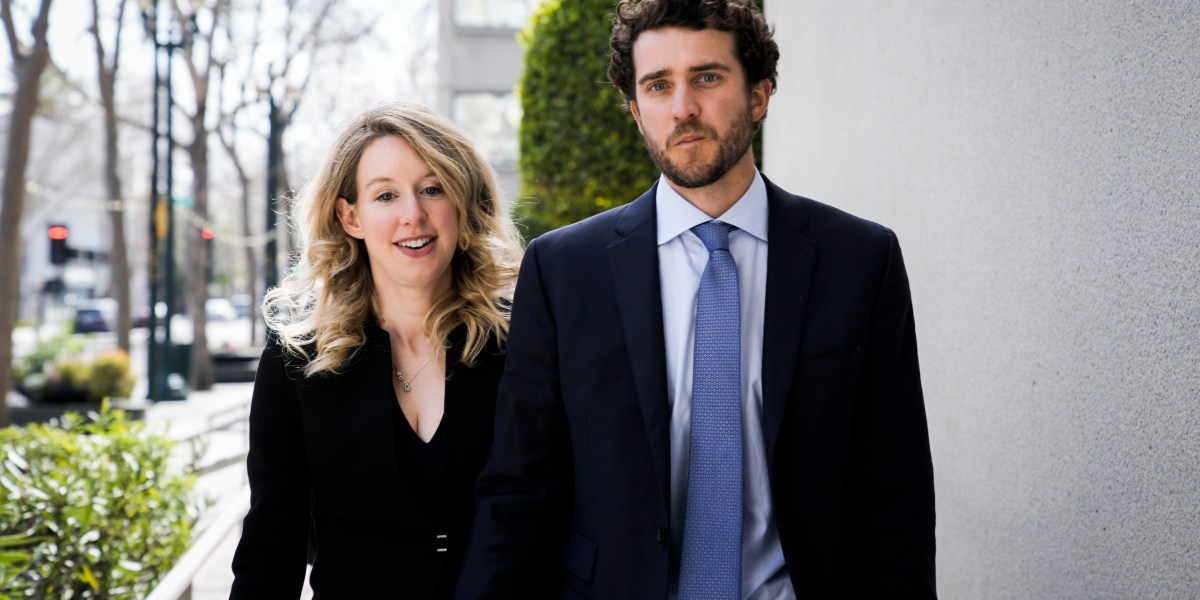
Elizabeth Holmes and her husband Billy Evans invited Fielder to observe and interview the Theranos founder in twenty twenty-three, during the days leading up to her eleven-year prison sentence for defrauding investors.
Fielder's background makes him ideal
Fielder is a comedian best known for Nathan For You, about business scams, and The Rehearsal, about his fascination with authenticity. He is a canny but bold choice for this mission.
Fielder seeks to understand Holmes's dishonesty
Rather than determine whether Holmes was dishonest, Fielder explores whether some dishonest people are sociopathic, others less connected to reality neurochemically, or somehow both. He refuses to accept their framing.
Trump's election thrust us into post-truth
Although partisan media and Twitter echo chambers fractured public belief systems before twenty sixteen, Trump's election is what thrust America into the post-truth era. Every president lies, but Trump's scale was unheard of.
Lies carry no consequences if ignored
By making false claims about observable reality, Trump revealed that lies do not carry consequences if enough powerful people ignore them. Being factually accurate became less important than appearing supremely convinced.
Confidence performance becomes standard
The performance of total confidence, as in the con in con man or con woman, has become standard in mass communication. Wellness influencers and reality show contestants now deploy the just-trust-me shtick routinely.
Tech world especially rewards false confidence
The just-trust-me shtick seems especially prevalent in today's tech world, which often rewards people for confidently describing an artificial intelligence future that does not yet exist.
Fielder's refusal mirrors our exhaustion
Fielder's dogged refusal to accept Holmes and Evans's framing is a clarifying encapsulation of what it has been like to read the news on any given day in recent years.
The documentary meets the AI era
You Can See Everything finds Holmes and Evans having invited Fielder during the post-truth era meeting the artificial intelligence era, when confident false narratives about technology's future dominate public discourse.
A mirror for our moment
The documentary becomes an avatar and champion for those exhausted by unreality. Fielder's volcanic reaction to Holmes's dishonesty offers viewers a way to see post-truth America with fresh eyes.
In short
Nathan Fielder's documentary about Elizabeth Holmes uses the Theranos founder's dishonesty to reflect how a decade of post-truth politics and confident falsehoods have reshaped American public life.