From Financialexpress · Saurav Anand · · 1m 30s
India's Lithium Nickel Refining Push Faces Raw Material Crunch
India's Rs 2,814-crore lithium and nickel refining scheme faces raw material shortages and cost competition with China.
In brief
India's Rs 2,814-crore lithium and nickel refining scheme faces raw material shortages and cost competition with China. India's government scheme to build domestic lithium and nickel refineries for batteries and EVs struggles with raw material security and cost competitiveness against Chinese producers. Originally…
India's Lithium Nickel Refining Scheme
India's Rs 2,814-crore scheme aims to boost domestic battery and EV industries through lithium and nickel refineries.
Raw Material Security Challenge
India remains entirely import-dependent for lithium, cobalt and nickel despite importing 2.7 million tonnes of critical minerals worth Rs 60,000 crore in FY25.
Government Subsidy Structure
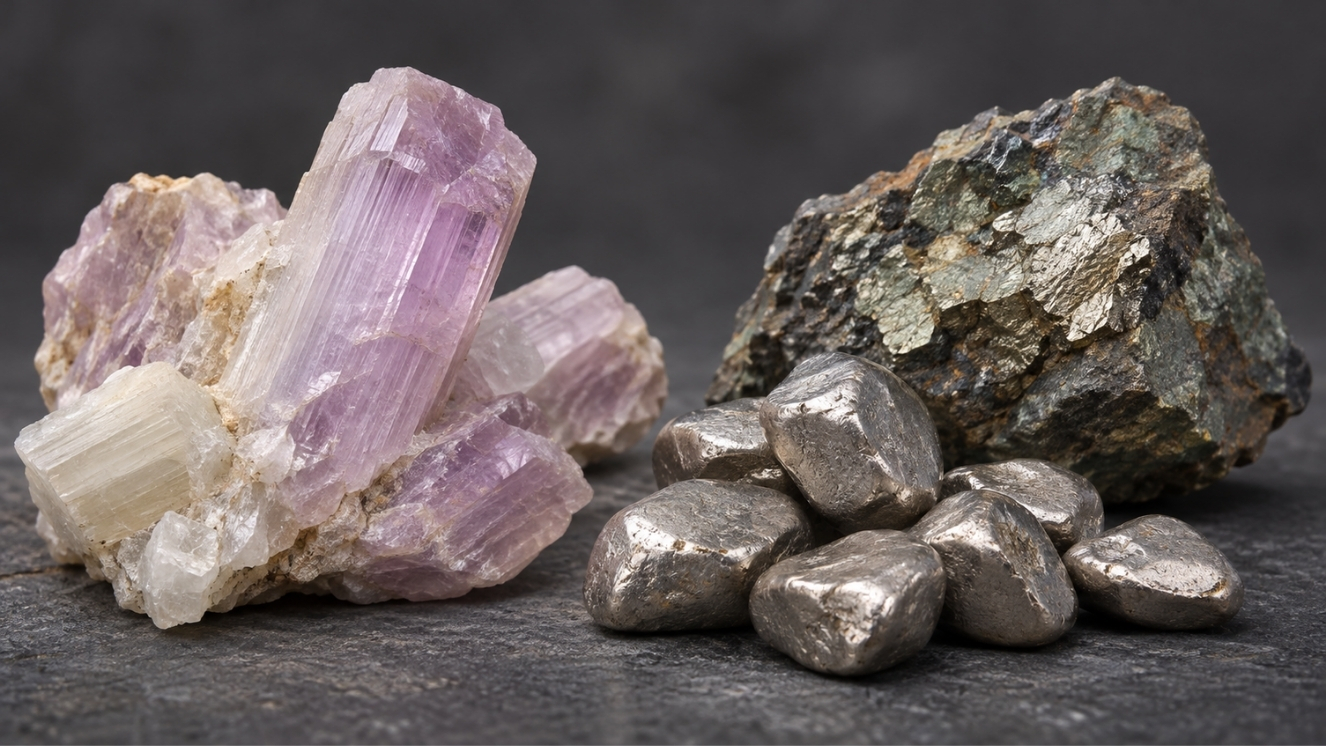
Union Cabinet approved 30% capital subsidy for four processing facilities with payments capped at Rs 500 crore per lithium beneficiary and Rs 900 crore per nickel beneficiary.
China's Dominance in Refining
China controls close to 70% of lithium refining and nickel processing, giving manufacturers significant scale advantages.
Overseas Supply Options
Majumdar identified opportunities to secure lithium from South America and nickel intermediates from Indonesia and Australia.
China's Cost Benchmarks
China's cost benchmarks for lithium carbonate equivalent are $10,000-12,000 per tonne and nickel sulphate $16,000-18,000 per tonne.
Domestic Recycling Potential
Domestic recycling could meet 20% of copper and aluminium requirements, 60% of lithium-ion battery material needs and 75% of rare earth requirements.
Technology and Scale Challenges
India needs to scale technological capabilities to meet domestic and international demand for critical minerals processing.
At a glance
India's government scheme to build domestic lithium and nickel refineries for batteries and EVs struggles with raw material security and cost competitiveness against Chinese producers.