From Financialexpress · Rameesh Kailasam · · 1m 20s
Shared stations, smarter transit
India opens state bus terminals to private fleets for safer, less congested travel.
In brief
India opens state bus terminals to private fleets for safer, less congested travel. India must allow private bus fleets to use state terminals to improve safety, reduce traffic, and generate revenue. Originally reported by Financialexpress.
India's bus travel dilemma
Millions rely on buses daily across cities, districts, and state borders.
Private buses excluded from terminals
Private operators remain systematically excluded from government-owned bus terminals.
Current problems with private buses
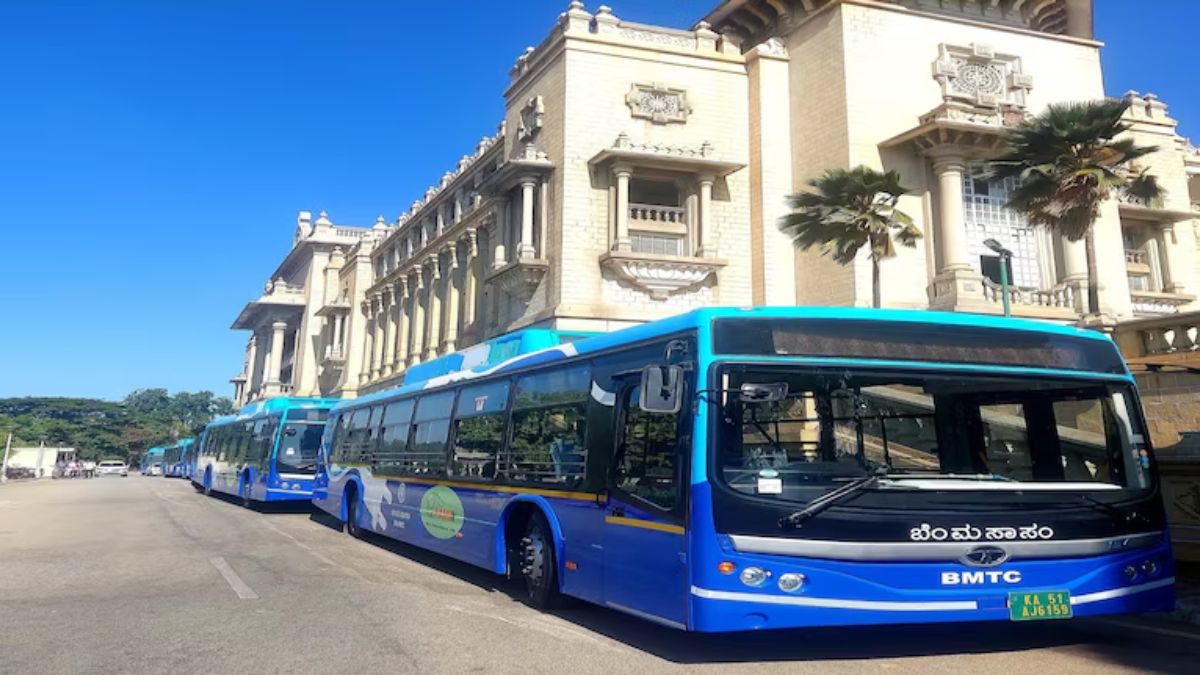
Private buses pick up passengers along chaotic highways, congested city bottlenecks, or under flyovers.
Integrated terminals benefit all
Dedicated private bays within state terminals create a balanced ecosystem for all stakeholders.
Maximising public infrastructure
Government terminals occupy prime real estate with severe off-peak underutilisation.
Privatisation optimises infrastructure
Staggering schedules across public and private fleets reduces congestion and traffic bottlenecks.
Safety improvements for passengers
Formal terminals provide well-lit waiting areas, clean restrooms, and CCTV monitoring.
Revenue from private fleets
State transport departments can charge entry fees and increase retail revenue through higher foot traffic.
Real-world examples
Delhi and southern hubs have implemented similar models with regulated access to private buses.
Policy steps needed
State governments must amend rules, reconfigure terminals, and use digital tech for efficient management.
The takeaway
India must allow private bus fleets to use state terminals to improve safety, reduce traffic, and generate revenue.