From Foreign Policy · Keith Johnson · · 1m 40s
Hormuz Endgame: Oil Flow and Control
Iran and Oman negotiate a shared strait control after Trump's economic pressure.
In brief
Iran and Oman negotiate a shared strait control after Trump's economic pressure. Iran and Oman will jointly manage the Strait of Hormuz to prevent oil blockades while maintaining economic pressure on Tehran. Originally reported by Foreign Policy.
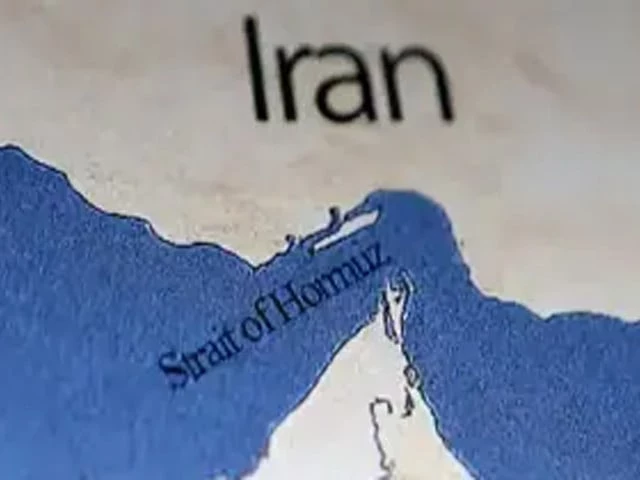
Strait of Hormuz Control
The strait of hormuz saw 20 percent of global seaborne oil exports before the war.
Trump's Economic Pressure
Trump parked the military option despite threats to reignite hostilities with Iran.
Double-Whammy Strategy

Operation Economic Outcast and Iron Gate will bend iran to the administration's will.
Current Strait Status
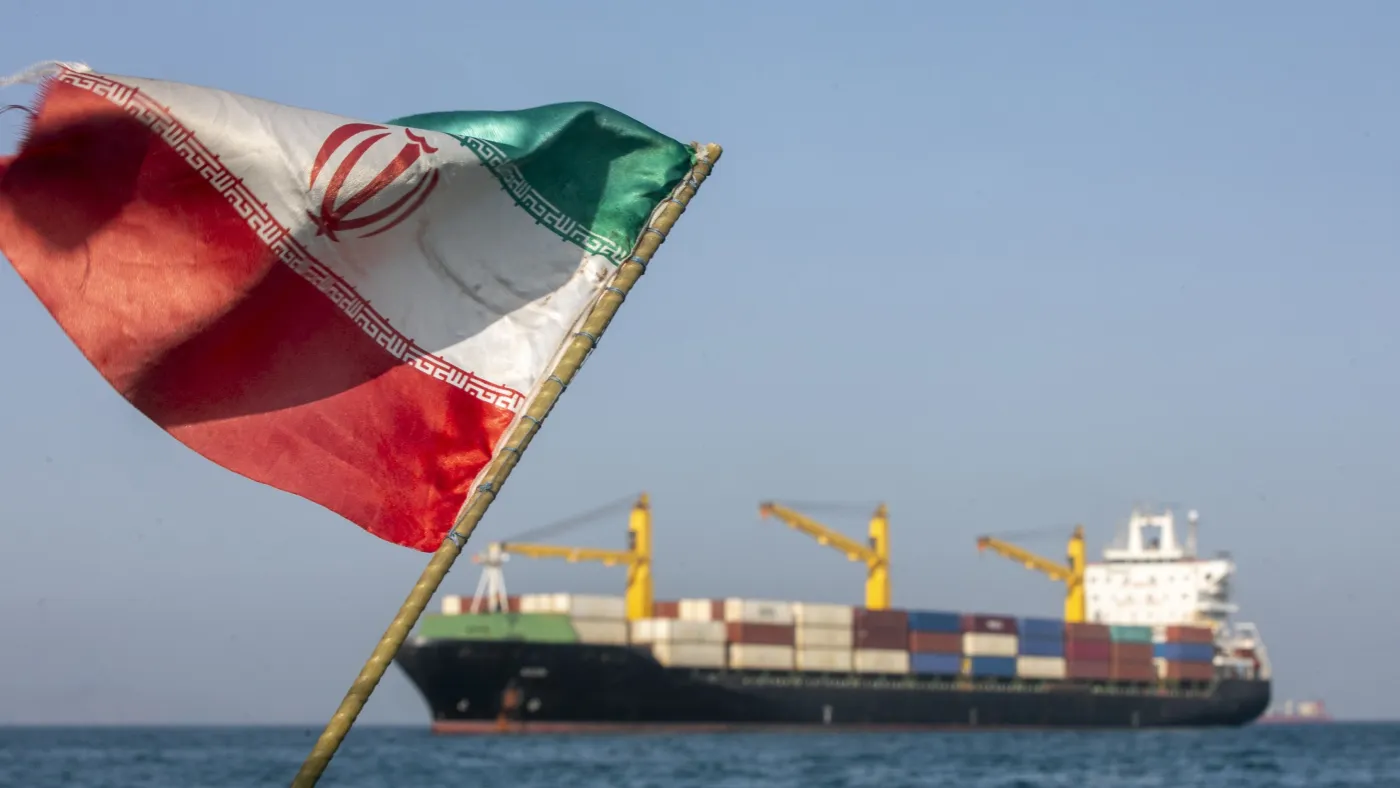
The strait has been closed for much of the year with oil flows returning to prewar levels.
Oil Price Impact
Oil prices dropped from $114 a barrel to the low $90s despite continued strikes.
Iran's Strategic Asset
Iran's chokehold over the strait is a declining asset with limited strategic value.
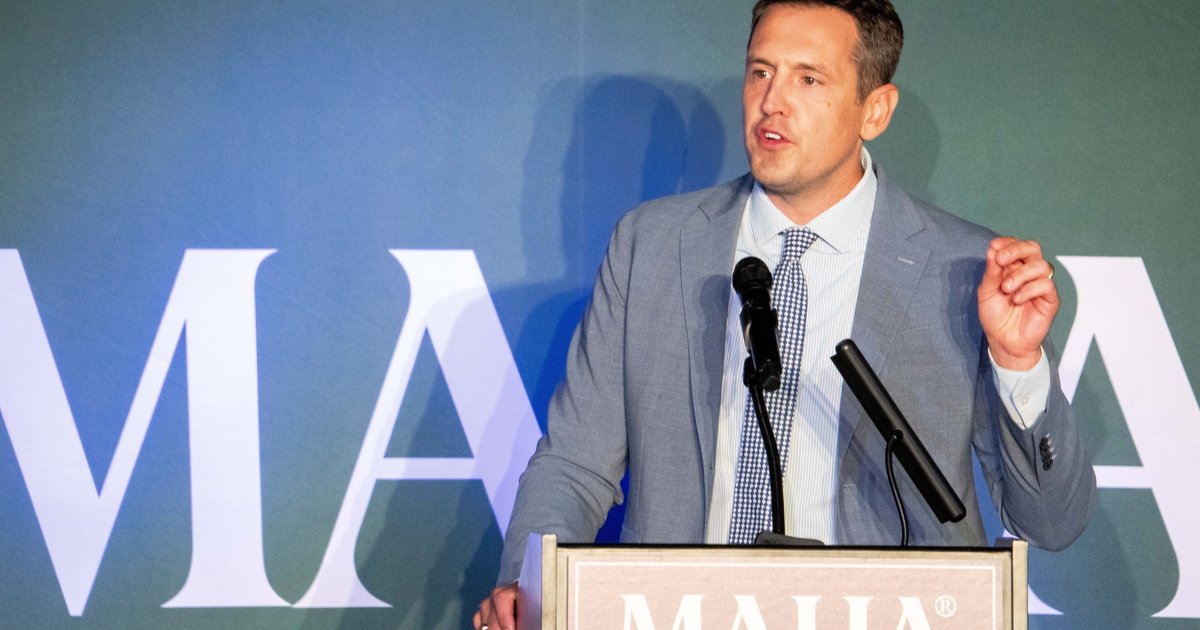
Kraska's Hormuz Declaration
Kraska proposes a joint management framework for iran and oman with major powers.
Postwar Navigation
Ships would pass through the strait center without threats or tariffs.
Iran's Tollbooth Plan
Iran plans a tollbooth charging millions per tanker to generate revenue.
Iran's Economic Strain
Iran faces 140 percent annual inflation and import shortages.
Postwar Compliance Issues
Iran insists on compliance with conditions including end to naval blockade.
U.S. Stance on Iran
The u.s. will not grant iran veto power over strait management.
Short-Term Outlook
Oil prices remain above $90 a barrel with no final resolution expected.
Long-Term Uncertainty
The new normal may be a war-not-war scenario with no final resolution.
At a glance
Iran and Oman will jointly manage the Strait of Hormuz to prevent oil blockades while maintaining economic pressure on Tehran.