From Foreign Policy · Ali Ahmadi · · 4m
Iran sanctions could spark U.S.-China trade war
Treasury's economic campaign against Iran threatens to rupture fragile U.S.-China relations just as leaders prepare to negotiate.
In brief
Treasury's economic campaign against Iran threatens to rupture fragile U.S.-China relations just as leaders prepare to negotiate. Squeezing Iran without targeting China won't work, but targeting China risks triggering a broader trade war that could destabilize the global economy. Originally reported by Foreign Policy.
Treasury launches Iran economic siege

In late August, Treasury Secretary Scott Bessent announced Operation Economic Outcast, an "economic D-Day" campaign designed to demolish Iran's economy and war effort.
China is Iran's economic lifeline
China buys over 90 percent of Iran's oil and provides vital foreign currency, finished goods, factory parts, and infrastructure investment. Strangling Iran's economy requires targeting Chinese refiners, terminals, shippers, and banks.
Beijing warns it will protect Iran ties
After Bessent's announcement, China said it would take "all necessary measures" to protect its right to engage with Iran, signaling resistance to U.S. pressure.
“all necessary measures”
Timing creates diplomatic friction

Xi Jinping was set to arrive in Washington for trade talks just over a month before U.S. midterm elections, making the sanctions announcement a new point of tension in an already troubled relationship.
Iran's oil reserves are dwindling
Bessent estimated Iran has only 30 million barrels of oil left outside the U.S. naval blockade of the Strait of Hormuz to sell to China, giving Tehran weeks before needing other options.
Energy crisis threatens U.S. economy
Higher oil prices have increased borrowing costs for the government, businesses, and consumers. Washington may not be able to wait out Iran without damaging its own economy.
Initial sanctions lack real bite
The U.S. designated nearly 60 entities but spared major Chinese banks and independent refineries. A former State Department official noted the rhetoric was fierce but the punch was weak.
“The rhetoric was ferocious, but the punch less so”
Targeting small firms won't work
Sanctions on Hong Kong shipping shell companies and Shandong refineries impose friction without real cost. Cutting off dollar access has negligible impact on their localized operations.
U.S. signals escalation plans
Treasury proposed cutting an Emirati bank from U.S. banking and sanctioned Turkey's Golden Global bank. These actions establish a template for targeting mid-tier Chinese banks linked to Iranian oil sales.
Global oil markets face severe stress
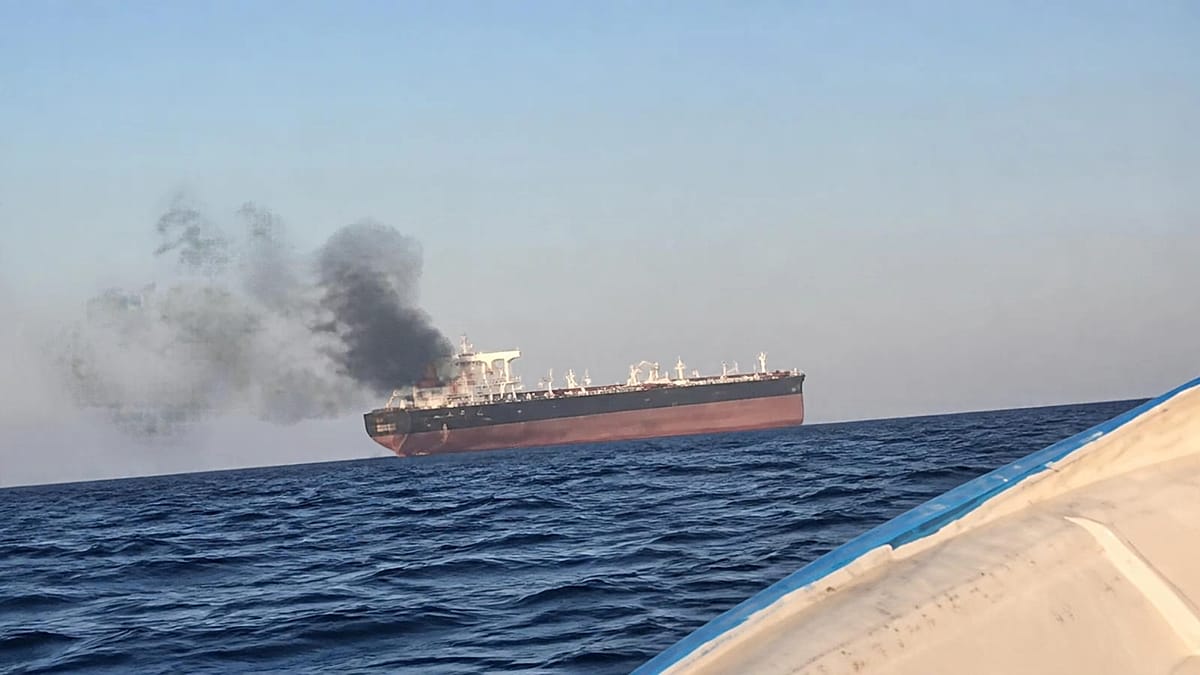
Iran's blockade of the Strait of Hormuz and attacks on alternative routes have slashed oil supplies. Tankers now face longer, costlier missions, driving up diesel and crude transportation prices dramatically.
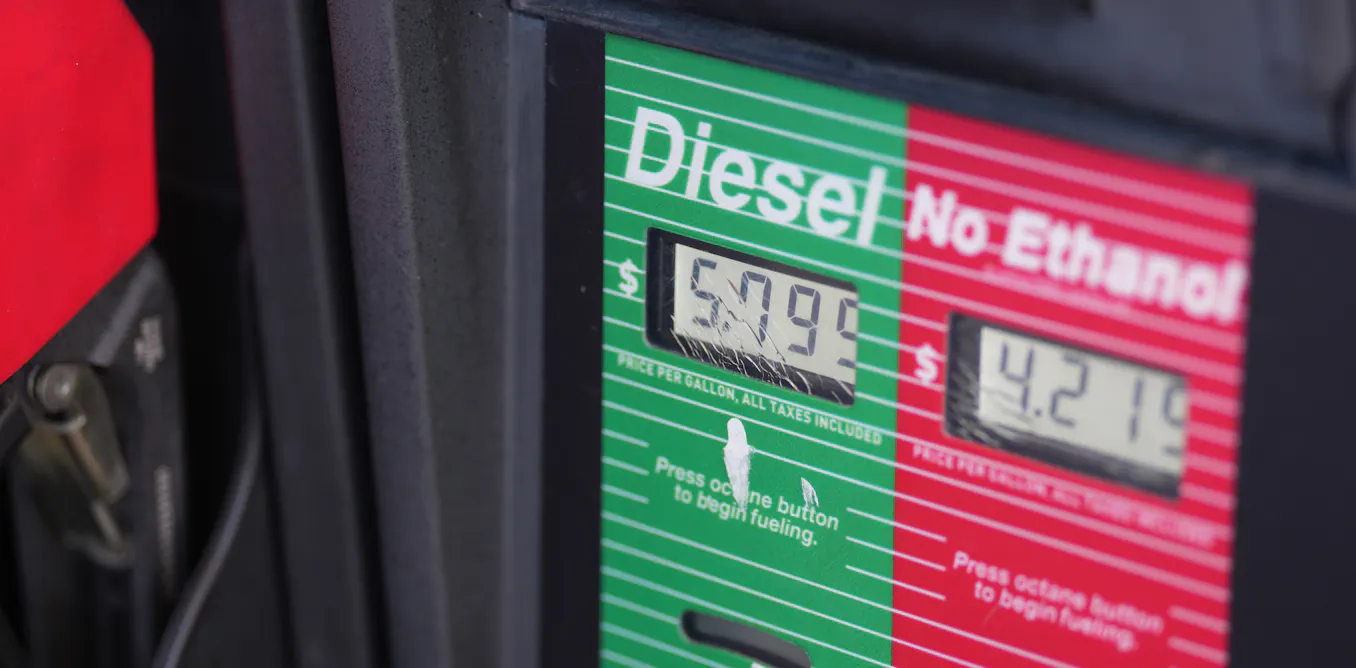
Diesel inflation ripples through economy
Higher diesel prices increase manufacturing and transportation costs, raising prices for groceries and industrial operations. This inflation pushes up bond yields and borrowing costs for consumers and government.
Trump faces impossible choice
If the blockade fails to coerce Iran, the administration must either admit defeat or escalate sanctions against major Chinese firms, risking a trade war with Beijing.
China has built retaliation tools
Beijing developed systems to protect itself from U.S. sanctions and retaliate. China can blacklist foreign firms, restrict market access, and prohibit Chinese companies from complying with U.S. edicts.
Beijing already defied U.S. sanctions
In May, China barred its firms from complying with U.S. sanctions on teapot refiners over Iran ties, signaling willingness to defend commercial ties and likely prompting Washington's milder August sanctions.
China could escalate energy warfare
Beijing could increase export restrictions on critical minerals or boost oil purchasing, further destabilizing global energy markets and disadvantaging U.S. firms against global competitors.
Washington faces no-win scenario
Sanctions on smaller Chinese entities would be ineffective. Sanctions on major firms or the banking system would trigger a trade war with systemic costs across the global economy.
Iran already dominates U.S.-China talks
The spring Trump-Xi summit was postponed after the war began. U.S. oil waivers strengthened China's energy security while Beijing refused to help reopen the Strait of Hormuz.
Consensus could collapse under pressure
Washington generally agrees Iran policy shouldn't dictate China policy. But if diesel prices and economic pain climb high enough, the administration might escalate against China, letting the Iran war dominate U.S. foreign policy for decades.
In short
Squeezing Iran without targeting China won't work, but targeting China risks triggering a broader trade war that could destabilize the global economy.