From Foreign Policy · Jumpei Ishimaru · · 2m
Japan's Defense Shifts to Production for Deterrence
Japan boosts military production capacity to deter protracted conflicts after Ukraine and Middle East wars.
In brief
Japan boosts military production capacity to deter protracted conflicts after Ukraine and Middle East wars. Japan is increasing defense production capacity to sustain military operations in prolonged conflicts, raising spending to 1.8% of GDP. Originally reported by Foreign Policy.
Japan's Defense Policy Shift
Japanese Prime Minister Sanae Takaichi has been reforming Japan's defense policy since taking office in October 2025.
Defense Spending Increase
Tokyo raised defense and security-related spending to approximately 1.8 percent of GDP in the 2025-2026 fiscal year, up from 1 percent in 2022.
Defense Transfer Policy

Japan revised its defense transfer policy in April to promote exports of weapons and nonlethal military equipment.
Production Capacity Focus
Expanding defense production capacity has become a central focus of Japan's defense reforms to prepare for protracted conflicts.
2027 Budget Request
The Japanese Defense Ministry singles out domestic military production as a critical element of deterrence in its 2027 fiscal year budget request.
Ukraine and Middle East Lessons
Russia's war against Ukraine and the Middle East conflict demonstrate the prolonged, high-intensity nature of modern warfare.
Deterrence Framework
NATO frames deterrence around capability, credibility, and communication, all shaped by production capacity in long conflicts.
Production Capacity Impact
Recent conflicts highlight the replacement rate and cost-to-kill ratio in military production for sustained operations.
Credibility Enhancement
Defense Minister Shinjiro Koizumi urged financial institutions to provide investment and loans to grow the domestic defense sector.
Banking Support for Defense
The Development Bank of Japan eased restrictions on financing domestic arms manufacturers in May, with private banks increasing involvement.
Supply Chain Vulnerability
Japan's defense supply chain involves 1,100 manufacturers for fighter jets, 1,300 for tanks, and 8,300 for destroyers.
Defense Production Challenges
Japan struggles with insufficient parts production, limiting operational availability of military equipment, especially aircraft.
Supply Chain Risks
Disruptions to the supply chain could affect stable supply and maintenance of equipment due to specialized component dependencies.
International Cooperation
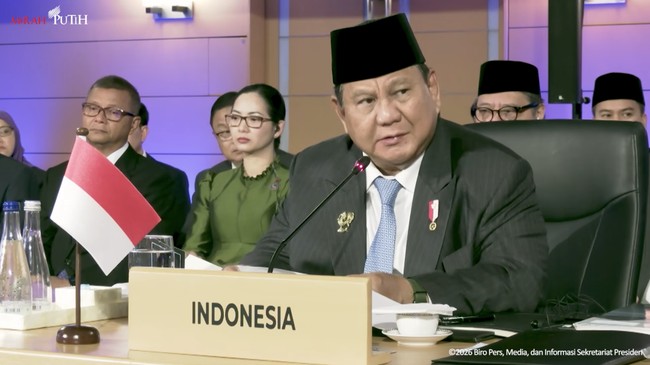
Japan is exploring deals with Australia for upgraded Mogami-class frigates and Indonesia for Asagiri-class destroyers.
Here's the gist
Japan is increasing defense production capacity to sustain military operations in prolonged conflicts, raising spending to 1.8% of GDP.
Read the TL;DR — this story on one card.