From Foreign Policy · Stephen M. Walt · · 2m
Middle East on Its Own
The Middle East ends U.S. intervention era as local powers take charge.
In brief
The Middle East ends U.S. intervention era as local powers take charge. The Middle East is now primarily determined by local actors after failed U.S. interventions and Iran war. Originally reported by Foreign Policy.
U.S. Intervention Era Ends
The Middle East is finally on its own after a century of outside power influence.
Iran War Watershed
The failed U.S.-Israeli war against Iran marks a turning point in regional autonomy.
Historical Intervention

World War I allies carved new states from Ottoman Empire at Paris Peace Conference in 1919.
Mandate Era
Britain and France governed Lebanon, Iraq, Israel, Syria, and Jordan under League of Nations mandates.
Local Restiveness
Local inhabitants grew restive before World War II made European control impossible.
Saudi Independence
Saudi Arabia gained independence on its own without outside help.
Gulf Security
Britain provided security for smaller Gulf states while Saudi Arabia gained independence.
Israel Creation
Active U.S. support helped create Israel in 1948 after World War II.
Iran Coup
U.S. and Britain connived to topple Iran’s democratic government in 1953.
Suez Crisis
Soviet arms to Egypt and Syria caused 1956 Suez crisis and Cold War involvement.
Cold War Era
U.S. and Soviet Union armed clients and toppled regimes for 35 years.
Post-Cold War
U.S. took sole responsibility for Middle East interventions after Cold War ended.
Iraq War
First Bush administration expelled Iraq from Kuwait in 1991 and invaded Iraq in 2003.
Trump-Iran War
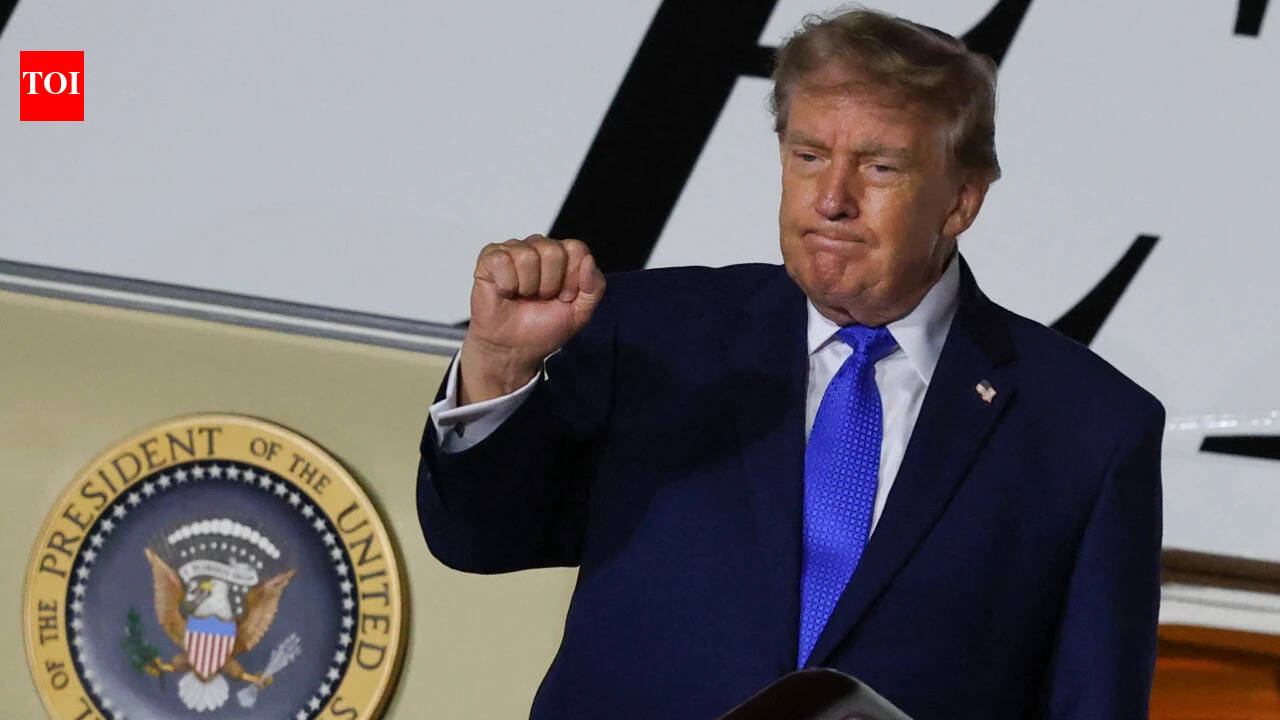
Trump’s current war with Iran is the last gasp of U.S. hubris in the region.
Military Limits
U.S. air strikes failed to topple Iran’s regime and bases were attacked.
Drones and Missiles
Cheap drones and missiles raise cost of external military intervention significantly.
Regional Autonomy
For the first time since 1919, local actors determine Middle East fate.
Energy Decline
Middle East energy importance has declined since 1973 due to U.S. shale boom and climate change.
Future Outlook
Middle East will see balance of power politics and nuclear deterrence risks.
The bottom line
The Middle East is now primarily determined by local actors after failed U.S. interventions and Iran war.
Read the TL;DR — this story on one card.