From Foreign Policy · Alexandra Sharp · · 4m
Russia's elections are theater, not democracy
As Russia holds parliamentary elections, the Kremlin prioritizes the appearance of popular support for its war over actual democratic choice.
In brief
As Russia holds parliamentary elections, the Kremlin prioritizes the appearance of popular support for its war over actual democratic choice. Russia's elections serve as propaganda tools to manufacture legitimacy for the war effort, not as genuine expressions of democratic will. Originally reported by Foreign Policy.
Kremlin stages first wartime election

Russia is holding State Duma elections this weekend, its first parliamentary vote since the Ukraine war began in February 2022. The Kremlin frames the vote as proof that millions of Russians support the war effort.
“Millions of people stand behind our fighters.”
United Russia dominates the polls
Putin's party, United Russia, is polling at nearly 40 percent and is all but certain to maintain control of parliament. The actual outcome matters far less to Moscow than the appearance of holding a legitimate vote.
Democracy is a facade
Moscow has banned independent opposition groups, excluded foreign observers, and shut down the country's only nonstate election monitoring group. The few opposition parties that participate all poll below 14 percent and historically vote with United Russia anyway.
Candidates show little interest

Six candidates in one district skipped televised debates entirely. In another region, only one candidate bothered to show up for the debate event, signaling how little genuine competition exists.
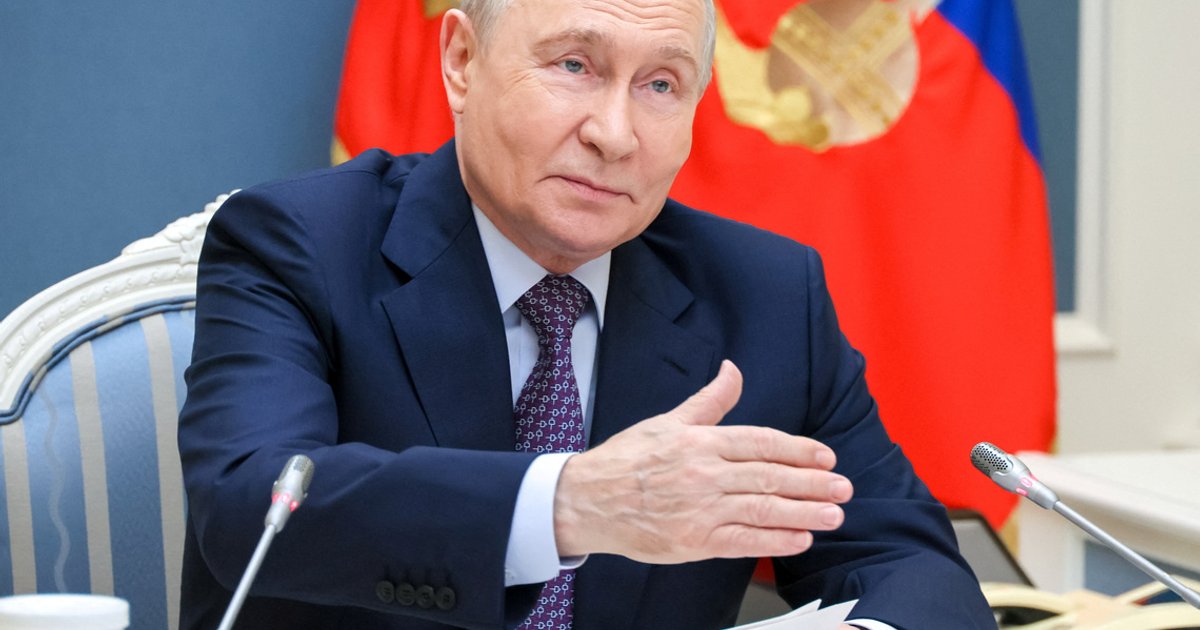
Putin votes online for optics
Russian state media released a video of Putin casting his ballot online on Friday. The highly orchestrated display is designed to provide a facade of legitimacy for the Kremlin's rule.
War's economic toll mounts
A third of Russians now expect unemployment to rise in the next year. Fuel shortages exceed 30 percent nationwide, and Ukrainian drone strikes on Russian warehouses have cost the e-commerce industry an estimated 4.74 billion dollars this year.
Public opinion on war weakens
Poor public sentiment about the war's economic costs is mounting as the conflict drags on for nearly five years with few recent battlefield gains. The election helps the Kremlin project unity despite growing domestic discontent.
Ukraine counters with regional unity
On the same day as Russia's elections, Ukraine held the inaugural Carpathian Eight Summit with seven Central and Eastern European countries, including former Soviet states. President Zelensky called it a strong foundation for Ukraine's defense.
“It is about strength that is here to stay.”
Iran stages massive loyalty rally
Hundreds of thousands of Iranians gathered in Tehran on Friday for a government-organized demonstration against U.S. and Israeli strikes. Participants wore combat uniforms, carried weapons, and pledged to volunteer for military training.
Iran attacks shipping in Hormuz
Iran claimed to have struck a Togo-flagged oil tanker in the Strait of Hormuz, accusing it of illegal passage. The Islamic Revolutionary Guard Corps has kept the critical waterway effectively closed for months.
Trump weighs Iran response
U.S. President Donald Trump told Axios he faces a major decision on Iran, asking whether to annihilate the regime or not. He is expected to meet with Gulf leaders next Tuesday at the United Nations General Assembly.
“Do I want to go in and annihilate them, or do I not?”
Irish reunification off the table
British Prime Minister Andy Burnham hosted Irish Taoiseach Micheal Martin in Manchester but avoided discussing recent calls for Irish reunification. Burnham previously told the BBC the topic was off the table.
UK leaders push for independence
After Trump said he would love to see Northern Ireland rejoin Ireland, leaders of Northern Ireland, Scotland, and Wales issued a joint statement supporting independence from the United Kingdom. They cited Brexit's economic damage and called Europe their common home.
“Europe is our common home, and we believe the future of our nations belongs in the European Union.”
German far-right surges in polls
German Chancellor Friedrich Merz faces mounting pressure ahead of state elections in Mecklenburg-Western Pomerania and Berlin on Sunday. The far-right Alternative for Germany party swept recent regional elections in Saxony-Anhalt, marking the closest a far-right party has come to state control since World War II.
Merz could lose his job
Analysts suggest Merz could be forced out of office before his term ends in 2029 if his coalition suffers another state election defeat. Current polling shows the far-right party will perform strongly but fall short of outright victory.
“The battle for the soul of Germany is on.”
The headline
Russia's elections serve as propaganda tools to manufacture legitimacy for the war effort, not as genuine expressions of democratic will.