From Foreign Policy · Keith Johnson · · 3m
The Fed Bucks Trump and Raises Interest Rates
War-fueled inflation remains too high, the U.S. central bank said, requiring the first hike in three years.
In brief
War-fueled inflation remains too high, the U.S. central bank said, requiring the first hike in three years. The Federal Reserve raised interest rates for the first time in three years despite Trump's opposition, driven by inflation from the Iran war and trade policies. Originally reported by Foreign Policy.
Fed hikes rates despite Trump

Kevin Warsh, Trump's pick to lower rates, instead raised them for the first time in three years. The decision was unanimous due to rising inflation.
More rate hikes are coming
Most Fed officials signaled rates will keep rising. Expect at least one more hike this year and more in 2027.
“The plain fact is that inflation is too high and has been for too long.”
Markets expected the move
The quarter-point hike was widely anticipated after Warsh's speech last month. Anything less would have triggered a brutal investor response.
War and trade drive inflation

The Iran war and Trump's trade wars are straining an economy already burdened by mounting debt and fiscal profligacy.
“There's no hiding from hot spots around the world.”
Warsh hints at more hikes
The Fed chair refused detailed guidance but said the committee will deliver price stability. That means higher rates for mortgages, cars, and business loans.
August inflation sealed the deal
Inflation came in at 3.4 percent annually in August, higher than expected. It dispelled hopes the Fed was nearing its 2 percent target.
“If the incoming data for August show this improvement has been fleeting, then it may be appropriate to raise the policy rate.”
Bond markets already tightened
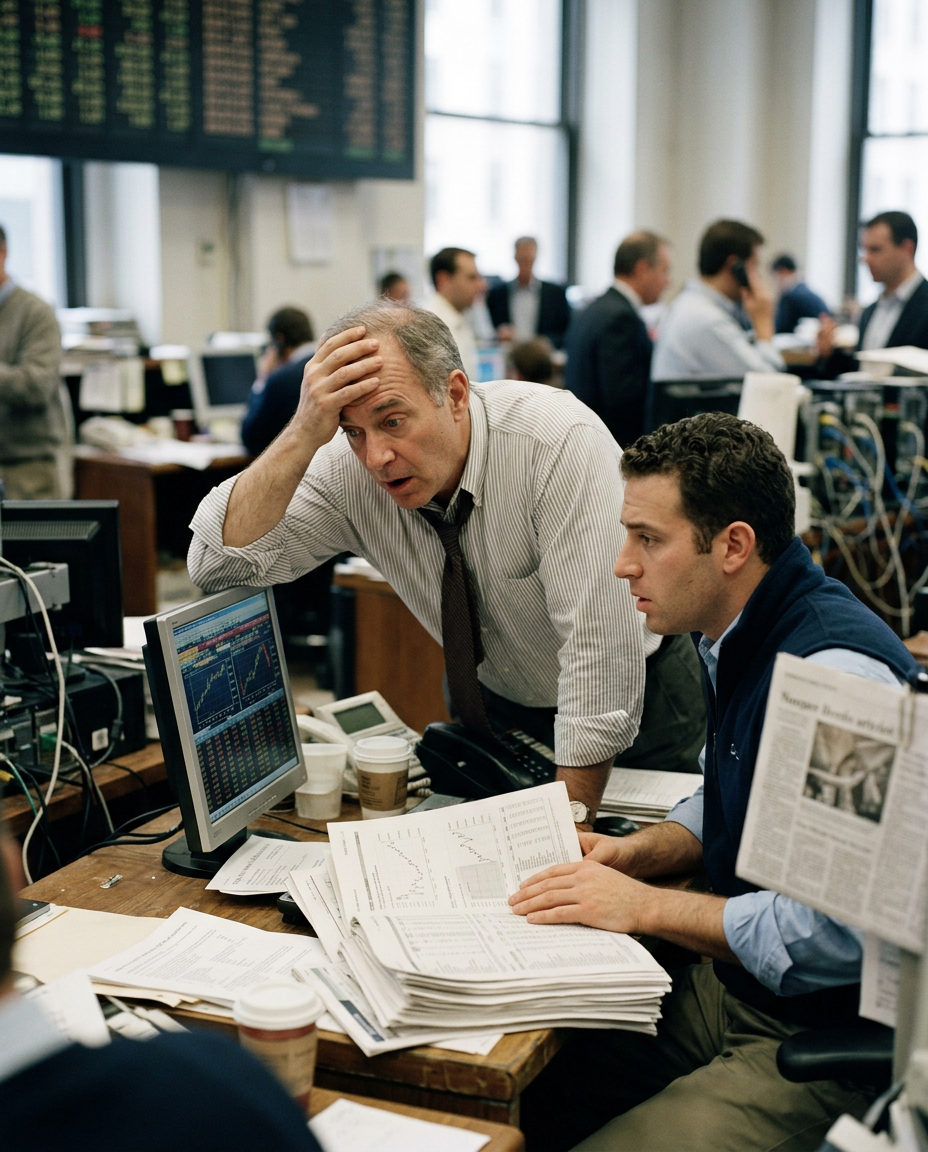
Some argued the Fed didn't need to act because markets had already raised borrowing costs. Long-term U.S. debt yields hit 20-year highs.
Debt worries spook investors
Bond market troubles stem from runaway debt and deficits. Even friendly countries are wary of propping up the dollar as the world's keystone currency.
Energy prices fuel inflation
The Iran war, U.S. tariffs, and AI investment are driving stubborn inflation. Companies paid more for inputs in August.
Oil tops $100 a barrel
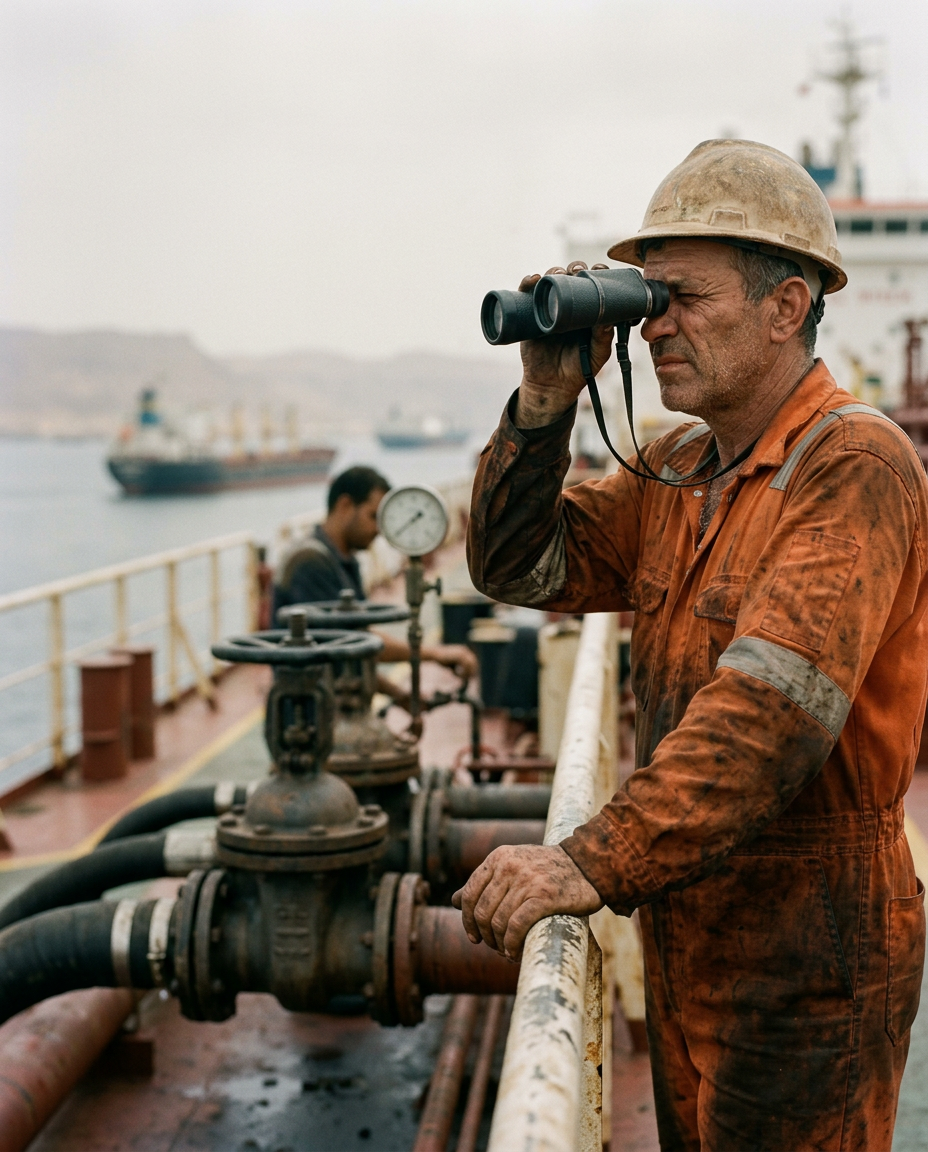
Crude jumped over $100 as Houthi rebels interfere with energy flows through the Bab el-Mandeb. Saudi Arabia is curtailing oil shipments to Europe.
Diesel hits record highs
Diesel prices reached record highs of over $6.30 a gallon nationwide. Costly diesel affects the entire economy because it fuels trucks, tractors, and trains.
War will prolong inflation
The Congressional Budget Office concluded the Iran war will lead to continued higher inflation into early 2027, especially through energy impacts.
Rate hikes have limits

Fed decisions can't fix inflation from external shocks like energy crises. Warsh said tighter policy could at least limit energy prices bleeding through the economy.
Trump pressured Warsh to hold
Trump has long demanded lower rates and even mulled additional tariffs if the Fed didn't comply. White House advisor Kevin Hassett warned against hiking before midterms.
Warsh defends Fed independence
Warsh refused to discuss White House threats at his press conference. He said price stability is fundamental to growth but wouldn't prejudge future decisions.
“Price stability is fundamental to economic growth.”
The headline
The Federal Reserve raised interest rates for the first time in three years despite Trump's opposition, driven by inflation from the Iran war and trade policies.