From Foreign Policy · David Miliband · · 3m
The U.N. Needs New Goals for an Age of Forever Wars
The Sustainable Development Goals ignore conflict, the biggest barrier to ending poverty and hunger.
In brief
The Sustainable Development Goals ignore conflict, the biggest barrier to ending poverty and hunger. The next U.N. secretary-general must rebuild the development framework around conflict reality, not ignore it. Originally reported by Foreign Policy.
The U.N.'s poverty promise is failing

The world body committed to end poverty, hunger, and disease by 2030. But that promise assumed functioning states and international cooperation that no longer exist.
Global disorder is undermining development
States flout international law, aid budgets are cut, and the U.S. has abandoned its role as anchor of the global system. International cooperation is collapsing.
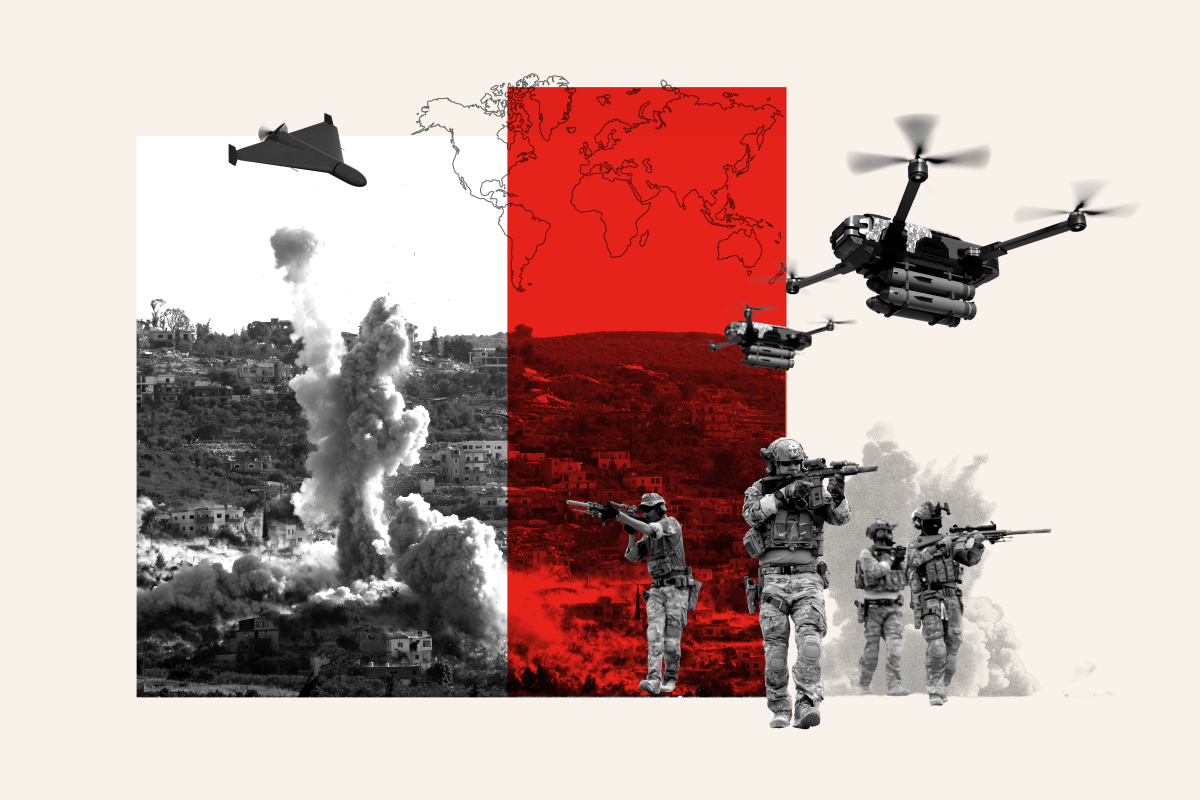
More wars are raging than ever
More conflicts exist today than since World War II, and they last longer. Over 70 percent of conflicts started since 2020 have continued for more than a year.
Wars are becoming internationalized

Civil wars increasingly involve external sponsorship from other countries. Ninety-eight countries were entangled in conflicts outside their borders in the five years before 2025, up from 59 in 2008.
Internationalized wars rarely end
When external powers sponsor conflicts, they are nearly four times less likely to end. This prolongs suffering and blocks development progress.
Iran conflict shows global ripple effects
The U.S. war in Iran demonstrates how conflict disrupts global supply chains. Iran has blocked the Strait of Hormuz since February, affecting fertilizer supplies worldwide.
The SDGs barely mention conflict
The word conflict appears less often than fisheries in the Sustainable Development Goals. There is no formal target addressing humanitarian food aid or conflict as a driver of hunger.
“the word "conflict" appears less often than "fisheries" in the SDGs”
Conflict is the main poverty driver
Armed conflict is the principal force determining whether development targets can be achieved. It is the main driver of heightened poverty and hunger worldwide.
Development progress has stalled
Armed conflict slowed global progress on the SDGs by 18 years as of 2021. Only 15 percent of SDG targets with sufficient data are on track.
Child mortality concentrated in conflict zones
Nearly half of all deaths of children under 5 years old occur in fragile and conflict-affected states, where development gains have been lost.
Extreme poverty will concentrate in war zones
By 2030, more than half of people living in extreme poverty are expected to be in 20 countries on the IRC Emergency Watchlist. These countries have 89 percent of global humanitarian need.
Cash aid works better than in-kind aid
Direct cash assistance helps displaced families avoid destitution and rebuild faster. It reaches millions more people with the same funding and generates two dollars in local economic activity per dollar spent.
Community health workers save money
Deploying health workers to treat malnutrition with ready-to-use therapeutic food at the community level is 20 percent more cost-efficient per child than requiring families to reach distant health facilities.
Rebuild the SDGs around conflict reality
The next U.N. secretary-general must design a narrower framework focused on poverty, hunger, health, and education in fragile states, with a standalone goal to reduce attacks on essential services.
The big picture
The next U.N. secretary-general must rebuild the development framework around conflict reality, not ignore it.