From Foreign Policy · Keith Johnson · · 3m
Trump Wants to Ban Diesel Exports. It Won't Help.
A proposed ban on U.S. diesel exports would backfire, raising prices globally and cutting refinery output when the world needs more fuel.
In brief
A proposed ban on U.S. diesel exports would backfire, raising prices globally and cutting refinery output when the world needs more fuel. Export bans on energy products don't lower prices; they shrink production and shift costs elsewhere, making the problem worse. Originally reported by Foreign Policy.
Diesel prices hit farmers and truckers hard
U.S. diesel now costs $6.52 a gallon, up from $3.69 a year ago. Gasoline averages $4.47. The spike is hammering truckers and farmers across the country.
“Gasoline in the United States now averages $4.47 a gallon, but more to the point, diesel is now $6.52 a gallon on average, up from $3.69 from one year ago.”
Trump proposes banning diesel exports

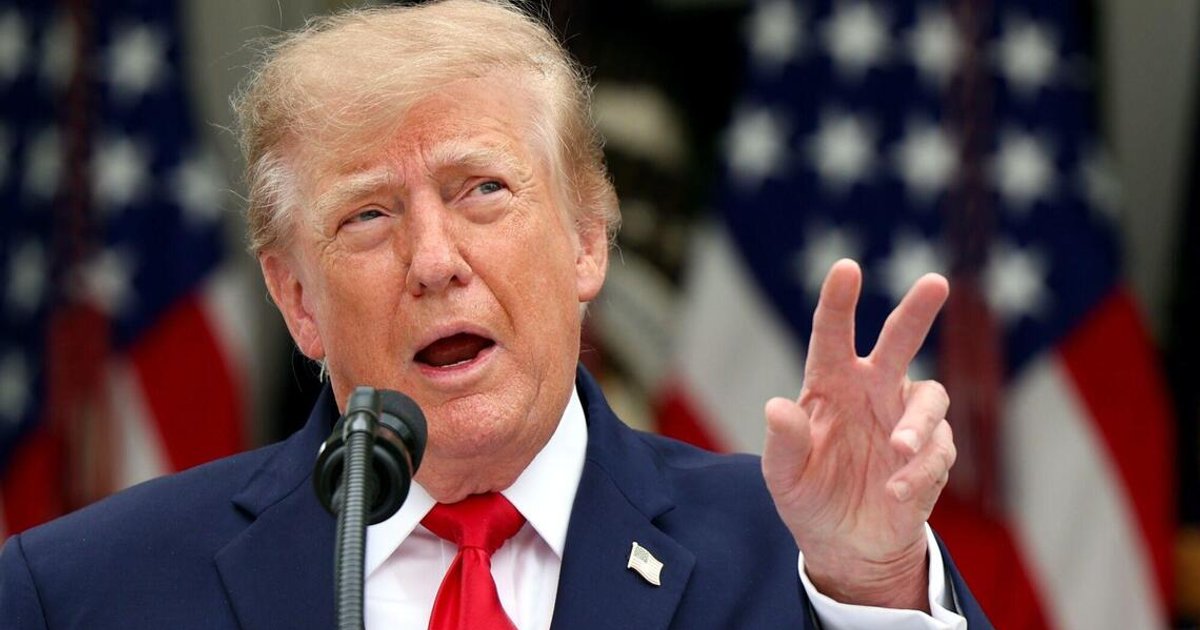
Facing pressure on Capitol Hill, Trump's administration is pushing to ban U.S. diesel exports, hoping to keep more fuel domestic and lower prices.
Energy secretary warns ban won't work
Trump's own energy secretary said in New York that a diesel export ban would fail and lead to higher prices as refiners cut back output.
U.S. is now a major oil and fuel exporter
A decade ago, the U.S. couldn't export oil at all due to 1970s price controls. Today, the fracking revolution made it the world's largest oil and gas producer.
Exports make up 12 percent of refinery output

U.S. refineries export about 1.4 million barrels of diesel daily, roughly 12 percent of total output. Banning exports would force refiners to cut production.
Ban would shift costs, not solve them
A temporary price dip on the Gulf Coast would be offset by higher prices elsewhere in the U.S. and globally. Refiners would eventually throttle back production.
“The U.S. Gulf Coast would get a temporary pump price dip, at the cost of likely higher coastal prices [elsewhere] and eventually, higher prices for everyone as investment gets scared away.”
Refiners enjoy historically high profit margins
Refineries are running at full capacity with a large crack spread, the profit difference between crude and refined products. An export ban would kill this incentive to produce more.
U.S. oil type doesn't match refinery needs
The U.S. produces light, sweet crude, but its refineries are built to process heavy, sour oil. An export ban would force refiners into costly bidding wars or suboptimal operations.
Real problem is Iran war, not Ukraine
Trump's February war on Iran has partially closed two major energy chokepoints: the Strait of Hormuz and Bab el-Mandeb. This is the main driver of global fuel shortages.
World lacks refining capacity, not crude
Russia is hurting from sanctions, the Middle East is worse off, and China shut down exports. The global shortage is refining capacity, not oil supply.
“Russia is hurting, but the Middle East is worse, and China shut down. What the world is short of is refining capacity.”
Export ban echoes failed 1970s policy
Trump is mimicking Richard Nixon's 1970s approach: tariffs, price controls, and energy market interference. That era ended with worse shortages and higher prices.
Ban would make global crisis worse
An American diesel export ban won't help the Middle East or global refining shortages. It will only make the worldwide energy crisis worse by cutting U.S. production.
The short version
Export bans on energy products don't lower prices; they shrink production and shift costs elsewhere, making the problem worse.