From Foreign Policy · Nosmot Gbadamosi · · 3m
U.N. Peacekeepers Leave Western Sahara
UN peacekeeping mission ends in Western Sahara after 35-year deadlock.
In brief
UN peacekeeping mission ends in Western Sahara after 35-year deadlock. The UN mission in Western Sahara ends as US and Russia veto each other over the territory's future. Originally reported by Foreign Policy.
UN Mission Ends

A deadlock between the United States and Russia at the United Nations Security Council ended a 35-year-old peacekeeping mission in Western Sahara.
Mission Background

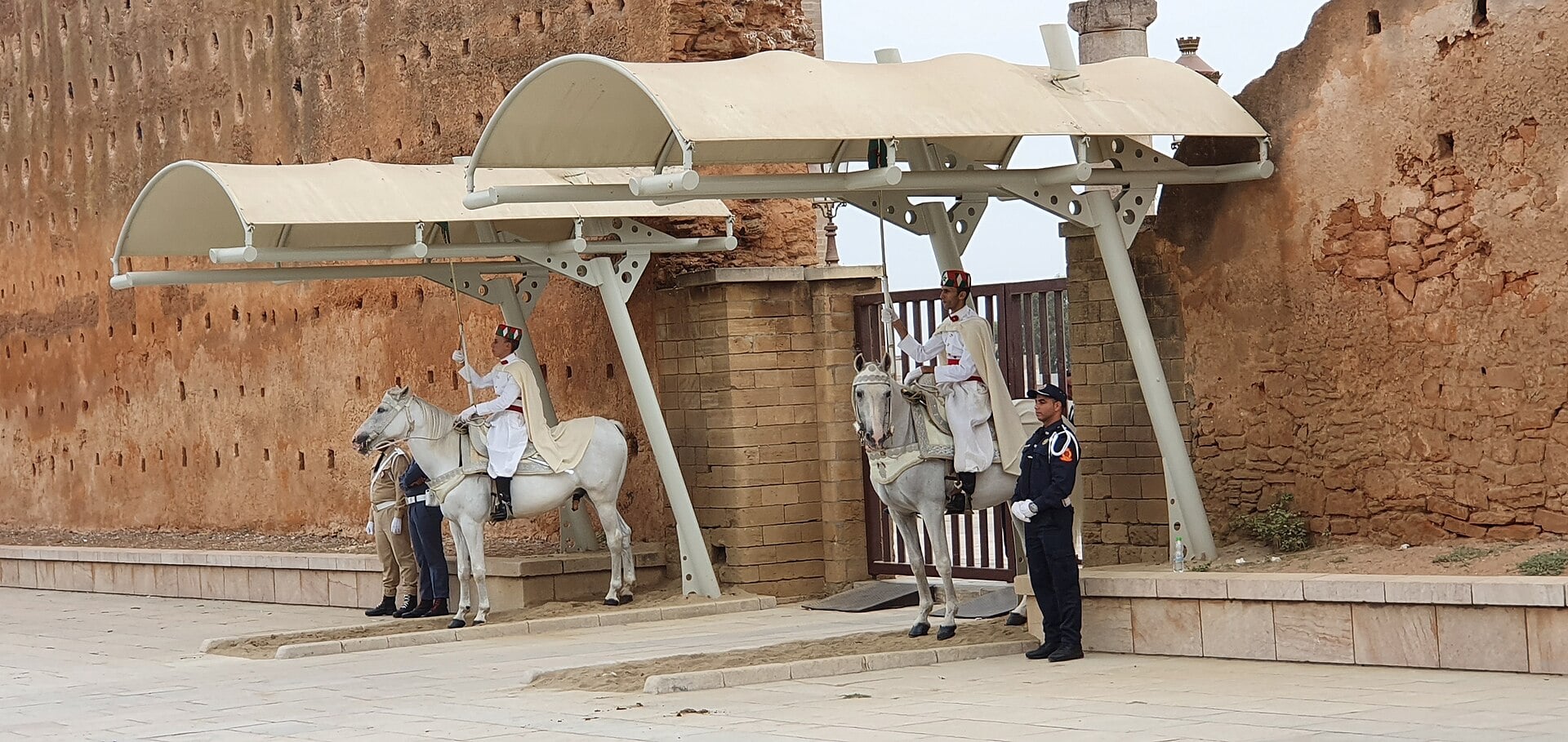
The U.N. Mission for the Referendum in Western Sahara (MINURSO) was established in 1991 to monitor a cease-fire after a 15-year armed conflict between Morocco and the Algeria-backed Polisario Front.
Referendum Stalled
The referendum for Sahrawi self-determination has stalled for decades, with a U.S.draft resolution last month seeking to remove 'referendum' from the mission’s name and make semi-autonomy under Moroccan sovereignty the sole basis for future negotiations.
Russia Veto
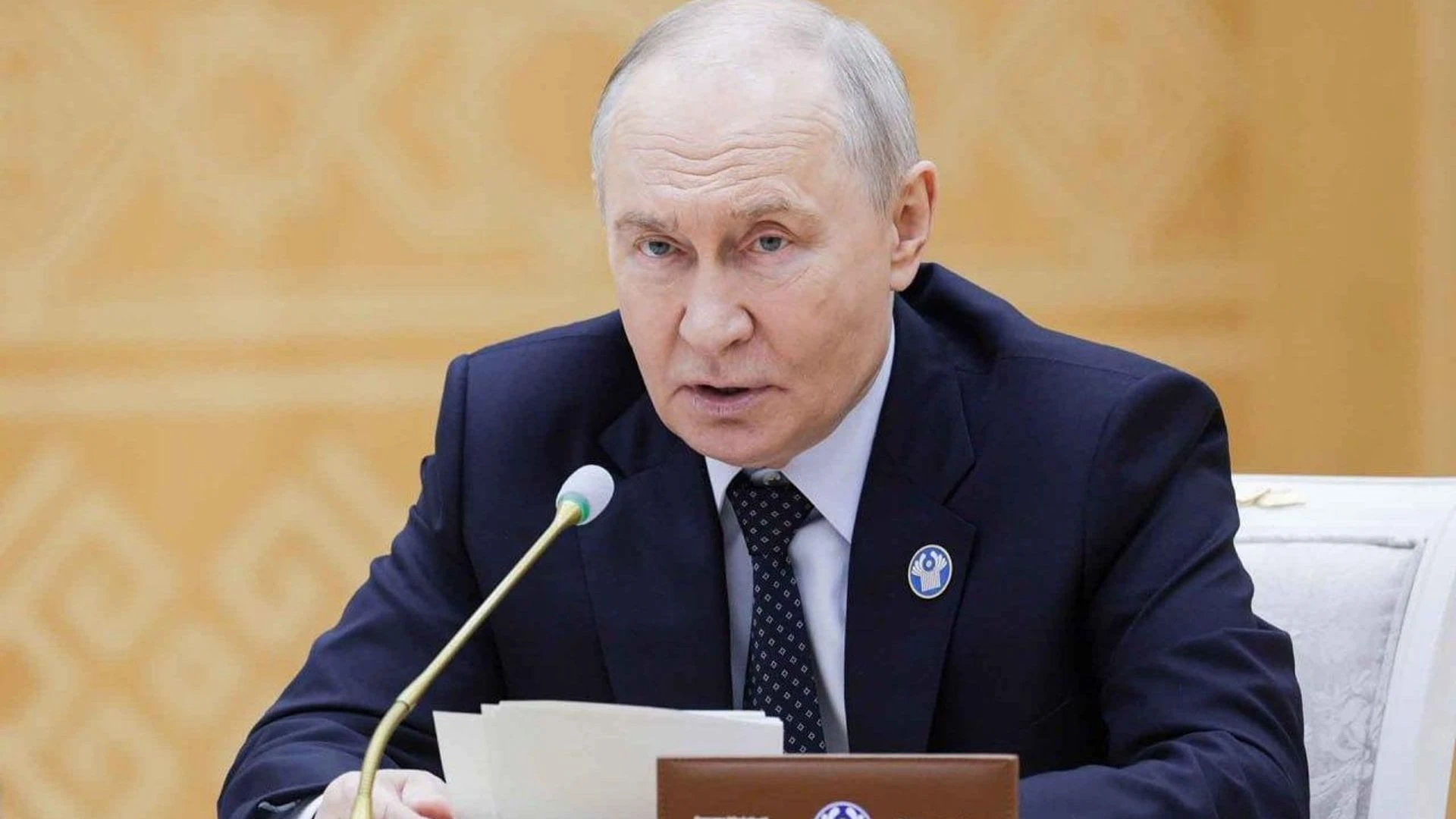
Russia vetoed the U.S. plan to scale back the peacekeeping force by April 2027, instead proposing a one-year extension without imposing terms that favored Morocco.
U.S. Response
The United States voted down Russia’s rival proposal, leading to the mission’s mandate expiring on Sunday, November 6, 2026.
Historical Context
Morocco annexed Western Sahara in 1975, displacing over 100,000 people, and currently controls around 80 percent of the territory.
Refugee Crisis
More than 160,000 Sahrawi refugees live in camps hosted by Algeria, with international aid groups denouncing the UN Security Council’s failure to renew the mission.
US Recognition
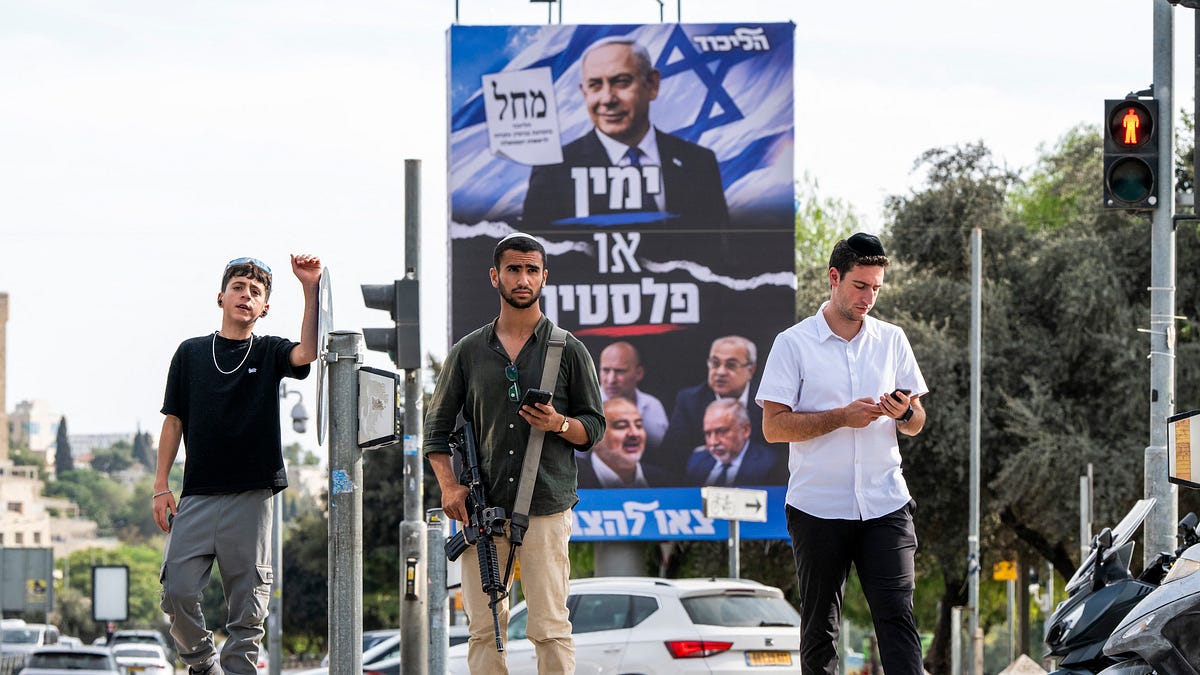
In 2020, during President Donald Trump’s first term, the United States recognized Rabat’s sovereignty over Western Sahara in exchange for Morocco reestablishing diplomatic relations with Israel.
Russia’s Stance
Russia’s position has been driven by its close geopolitical and economic alliance with Algeria, which backs the Sahrawi liberation movement.
US Election Impact
The U.S. midterm elections on Tuesday could lead to a more nuanced stance from Washington on Western Sahara, but immediate reversal is unlikely.
Diplomatic Exchange
Mike Waltz, the U.S. ambassador to the UN, said Russia’s veto prevents 'historic steps toward finally ending a 50-year conflict.'
“historic steps toward finally ending a 50-year conflict”
Polisario Front Warning
Sidi Omar, the Polisario Front’s UN representative, warned that the U.S. resolution would 'not only torpedo the foundations of the UN peace process but also set a dangerous precedent.'
“not only torpedo the foundations of the un peace process but also set a dangerous precedent”
Analyst Critique
Hugh Lovatt, a senior policy fellow at the European Council on Foreign Relations, wrote that Washington has 'closed the space for negotiations and risks creating regional instability.'
“closed the space for negotiations and risks creating regional instability”
Withdrawal Process
A small UN team is supervising a phased withdrawal of peacekeepers and the return of military vehicles to troop-contributing nations like Egypt, Ghana, and Pakistan.
Security Concerns
Security observers fear renewed fighting in Western Sahara as Morocco may be emboldened to send troops to grab more territory.
In short
The UN mission in Western Sahara ends as US and Russia veto each other over the territory's future.