From Foreign Policy · Emile Chabal · · 1m 40s
Why France Perpetually Riots
France's protest culture persists due to weak institutions and authoritarian state.
In brief
France's protest culture persists due to weak institutions and authoritarian state. France's protest culture persists because its centralized state fails to address inequality, leading to recurring street violence. Originally reported by Foreign Policy.
France's protest history

France has seen repeated urban violence since 2005, starting with student protests against police brutality and racism.
20 years of protest
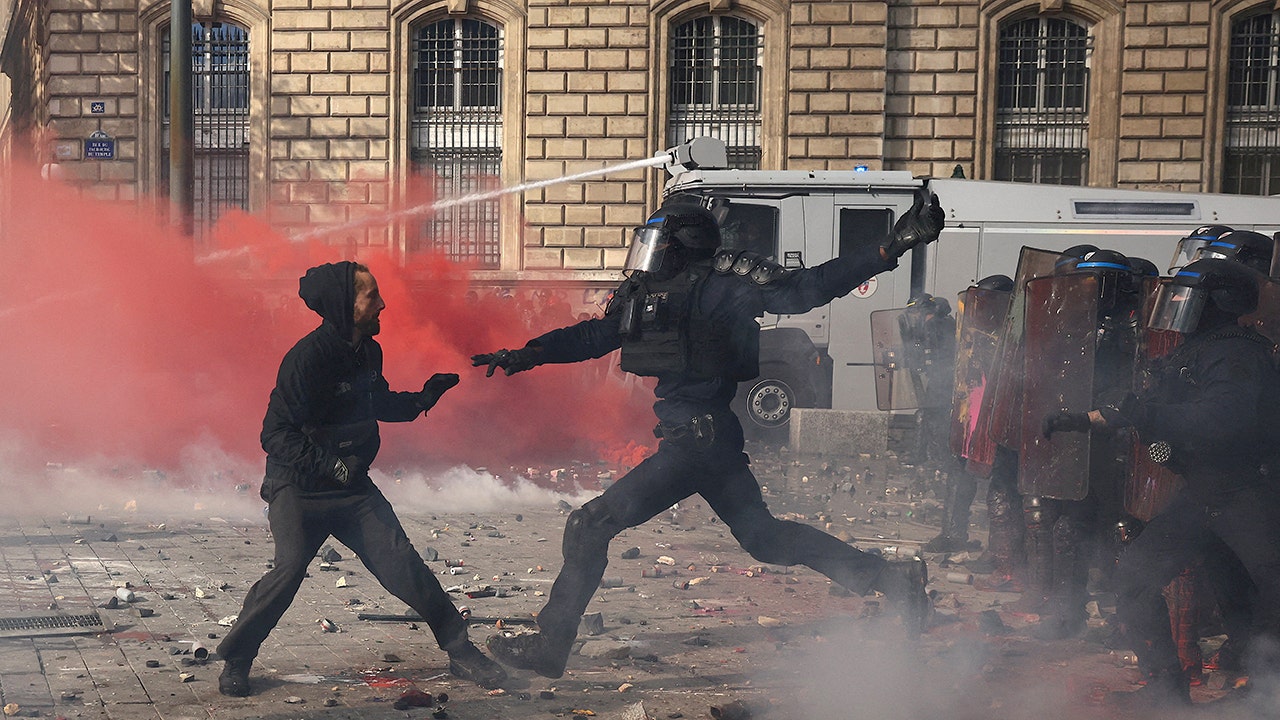
For 20 years, France has experienced daily protests averaging 20 per day, escalating into nationwide riots with looting and burning.
Protesters across the spectrum
Protest movements have been led by both left and right, including 1984 school reforms and 2013 same-sex marriage demonstrations.
Weak institutions

France has weak political parties and low union membership, making it difficult to channel public discontent through formal channels.
Authoritarian state
France's centralized state has been top-heavy and technocratic since the 19th century, with limited public consultation in governance.
Protest as political tool
Protesters use the streets to bypass the ballot box, with memories of past struggles passed down through generations.
State repression
French authorities often use violent repression, including police shootings and tear gas, to quell protests.
Rioter responses
Some rioters join petty crime, while others create viral content mocking state authority through social media.
Global influence
French protest movements have shaped global political movements, including far-left and far-right ideologies.
Historical context
France's political instability since the French Revolution has led to weak institutions and frequent authoritarian rule.
Why it matters
France's protest culture persists because its centralized state fails to address inequality, leading to recurring street violence.
The bottom line
France's protest culture persists because its centralized state fails to address inequality, leading to recurring street violence.