From Fortune · Hannah Fingerhut · · 1m 50s
Arbitrator rules Uber liable in fatal accident
A retired judge rejected Uber's claim that it's just a tech platform, finding the company vicariously liable for a driver's negligence that killed a 23-year-old.
In brief
A retired judge rejected Uber's claim that it's just a tech platform, finding the company vicariously liable for a driver's negligence that killed a 23-year-old. Uber cannot escape legal responsibility by classifying itself as a technology platform rather than an employer, at least in this arbitration case. Originally…
Woman killed after Uber driver pulled over
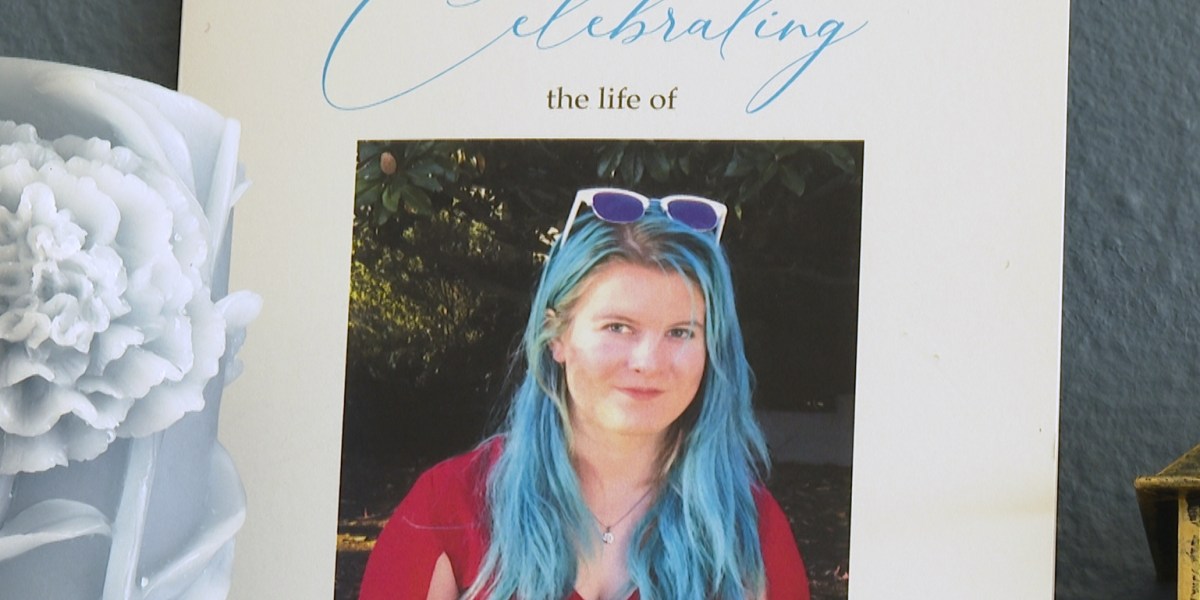
Emily Normandin-Parker, 23, was struck by traffic after her Uber driver stopped on the shoulder of Route 73 in Orange County, California in 2023. Her parents were awarded 40 million dollars in arbitration.
Driver stopped in dangerous location
When a passenger became sick, driver Vu Tran pulled into a gore point between a highway ramp and the road. The arbitrator found Tran illegally stopped there and argued with passengers before abandoning them.
“In a fit of anger, he needlessly placed them in danger by illegally stopping in the gore point when he could have easily stopped in a safe place instead.”
Uber argued it's just a platform
Uber claimed it should not be liable because it's a technology platform connecting riders with independent third-party drivers, not an employer responsible for their actions.
Arbitrator rejected Uber's defense
Retired judge Richard Stone found Uber vicariously liable for the driver's negligence, rejecting the argument that being a tech platform absolves the company of responsibility for passenger safety.
“Uber was vicariously liable for the driver's negligence.”
Driver called Uber about cleaning fee
After abandoning the intoxicated passengers on the highway, GPS data showed Vu Tran pulled over at the next exit and called Uber to request a cleaning fee for the car.
Arbitration decision doesn't set precedent
The case was resolved through arbitration because Uber's terms of service require disputes be settled privately. Unlike a court ruling, this decision does not establish legal precedent for other cases.
Parents plan to advocate for safety
Carol Normandin and Ken Parker said they will use the 40 million dollars to establish scholarships, support LGBTQ+ organizations, and push for stronger safety standards and transparency in ride-hailing.
“I want to do good with it. No parent would ever want it.”
The main idea
Uber cannot escape legal responsibility by classifying itself as a technology platform rather than an employer, at least in this arbitration case.