From Fortune · Sam Birchall · · 2m
Binance's $6.3bn hack exposes banks' cyber weakness
The same vulnerabilities that cost the crypto exchange billions are already hitting European lenders, and regulators warn defences are inadequate.
In brief
The same vulnerabilities that cost the crypto exchange billions are already hitting European lenders, and regulators warn defences are inadequate. Hackers stole six point three billion dollars from Binance using social engineering and malware, then hit French bank Crédit Mutuel Arkéa for one hundred twelve million…
Binance loses $6.3 billion
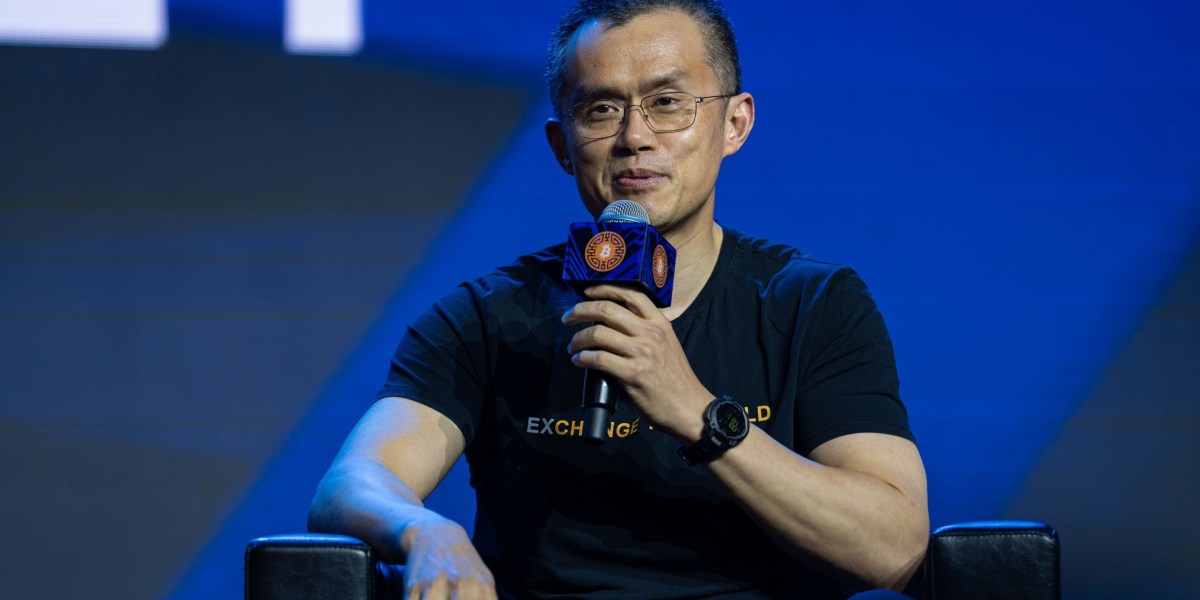
Hackers drained six point three billion dollars from Binance, the world's largest cryptocurrency exchange, on October twenty-ninth using social engineering and malware.
French bank hit days later
Less than a week later, Crédit Mutuel Arkéa, a French lender, disclosed that hackers had made off with roughly one hundred million euros, or one hundred twelve million dollars.
How Binance was breached
The hackers arranged fake job interviews to persuade a Binance engineer to download malware, which gave them access to the company's systems and crypto wallets.
Binance recovers most funds
The FBI seized one point two billion dollars of the stolen cryptocurrency. Binance confirmed it had replenished approximately ninety-eight percent of the total impacted amount.
Same weaknesses hit banks
The vulnerabilities hackers exploited at Binance are not unique to crypto. Katerina Mitrokotsa, professor of cybersecurity at the University of St. Gallen in Switzerland, says banks face identical risks.
“Banks are not automatically safer just because they are regulated.”
Banks have some defences
The EU's Digital Operational Resilience Act, or DORA, requires banks to test defences and report incidents since January twenty twenty-five. Banks can also block or reverse payments and work with law enforcement.
But prevention remains weak
Vivien Mura, chief technology officer of Orange Cyberdefense, says banks are better at absorbing attacks but not necessarily better at preventing them. Aging technology and compromised suppliers are persistent risks.
“Banks are better placed to absorb and recover from a major attack, but they are not necessarily better at preventing one.”
AI agents pose new threat
Consumers increasingly use digital assistants like Meta's Muse to make purchases or pay bills. Citigroup, Bank of America, and JPMorgan Chase have restricted or blocked AI agents from accessing accounts.
More attacks expected
With cyber threats mounting, the Crédit Mutuel Arkéa hack is unlikely to be the last attack on Europe's financial sector. Banks must improve defences across aging systems and supply chains.
The main idea
Hackers stole six point three billion dollars from Binance using social engineering and malware, then hit French bank Crédit Mutuel Arkéa for one hundred twelve million dollars days later, exposing shared cyber vulnerabilities across financial institutions.