From Fortune · John W. Diamond · · 3m
Fed rate hike exposes America's two-speed economy
The Federal Reserve's September 2026 rate increase will crush housing but barely touch the AI boom, widening economic inequality.
In brief
The Federal Reserve's September 2026 rate increase will crush housing but barely touch the AI boom, widening economic inequality. The Fed raised rates to fight inflation, but the increase will disproportionately harm struggling sectors like housing while barely affecting booming AI investment. Originally reported by…
Fed raises rates by quarter point
On September 16, 2026, the Federal Reserve's policymaking committee voted unanimously to raise its benchmark rate by a quarter percentage point to a new target range of 3.75% to 4%.
Fed cites elevated inflation
The Fed described inflation as still elevated and noted that other economic indicators remain strong, from productivity to investment to domestic spending, justifying the rate increase.
Warsh commits to two percent target
Fed Chairman Kevin Warsh underscored his commitment to bringing annualized inflation back down to two percent, calling it a firm, fixed target in an August speech.
“firm, fixed target”
Inflation remains stubbornly high
Consumer prices rose zero point four percent in August and three point four percent over the past year. The war with Iran pushed oil prices above one hundred dollars a barrel.
Labor market stays resilient
The economy added one hundred sixty-two thousand jobs in August while the unemployment rate remained at four point one percent, though long-term joblessness persists.
Two-speed economy emerges
The rate increase highlights a confounding dilemma: the Fed can raise the price of money across the economy but cannot determine which sectors are most affected.
Housing crushed by high rates
Persistently high mortgage rates are reinforcing the lock-in effect for current homeowners. Millions financed houses at three percent or four percent and have little incentive to sell at much higher rates.
“lock-in”
Mortgage rates near seven percent
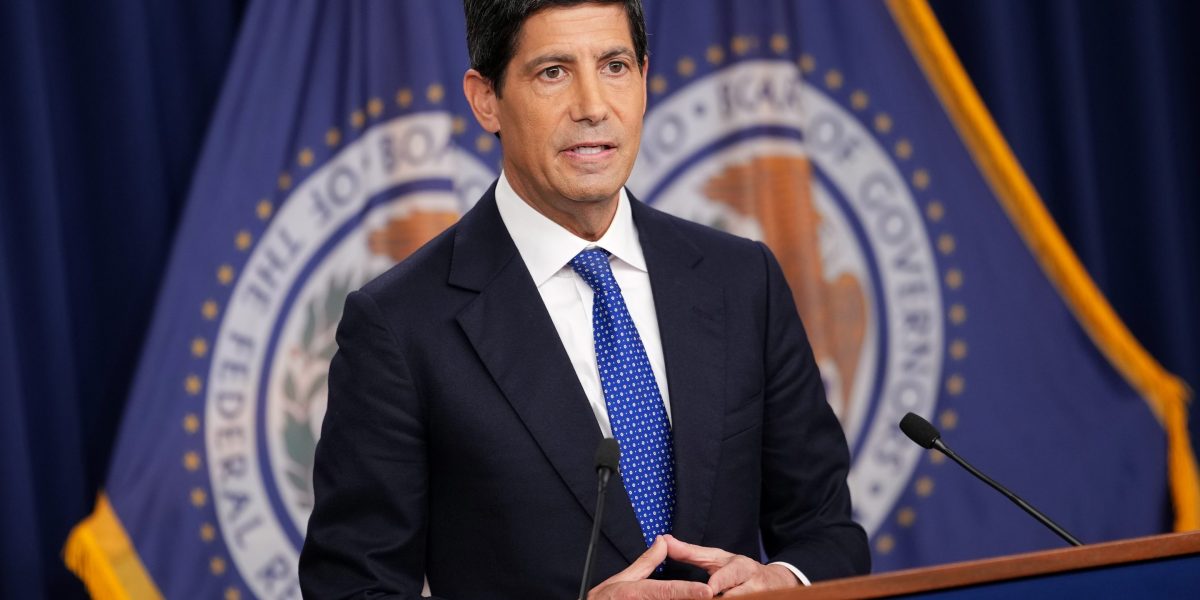
The Fed's rate hike signals markets expect additional increases, putting upward pressure on longer-term interest rates and keeping mortgage rates high, probably resulting in fewer home sales.
AI investment barely affected
Companies spending billions on computing infrastructure expect potentially enormous returns from AI. If expected returns are exceptionally high, modest borrowing cost increases may do little to alter investment decisions.
Warsh notes AI drives spending
Fed Chairman Kevin Warsh noted in August that more than half of recent capital-spending growth could be attributed to the AI buildout, showing the sector's dominance.
Federal debt tops forty trillion
A Fed rate hike does not immediately increase rates on outstanding federal debt, but as the Treasury refinances maturing securities, higher rates gradually become higher federal interest expense.
Higher rates persist across economy
The U.S. economy faces a reality in which both short- and long-term rates stay higher for longer. The federal government, households and businesses adjust to a substantially different borrowing environment.
The takeaway
The Fed raised rates to fight inflation, but the increase will disproportionately harm struggling sectors like housing while barely affecting booming AI investment.