From Fortune · Sheryl Estrada · · 2m
Fed rate hike signals a longer cycle ahead
The Federal Reserve's first rate increase since 2023 is just the beginning, and CFOs need to prepare for sustained higher borrowing costs.
In brief
The Federal Reserve's first rate increase since 2023 is just the beginning, and CFOs need to prepare for sustained higher borrowing costs. This is the start of a multi-hike cycle, not an isolated event. CFOs should stress-test funding and production costs together, and prepare for higher borrowing costs across all…
Fed raises rates for first time since 2023
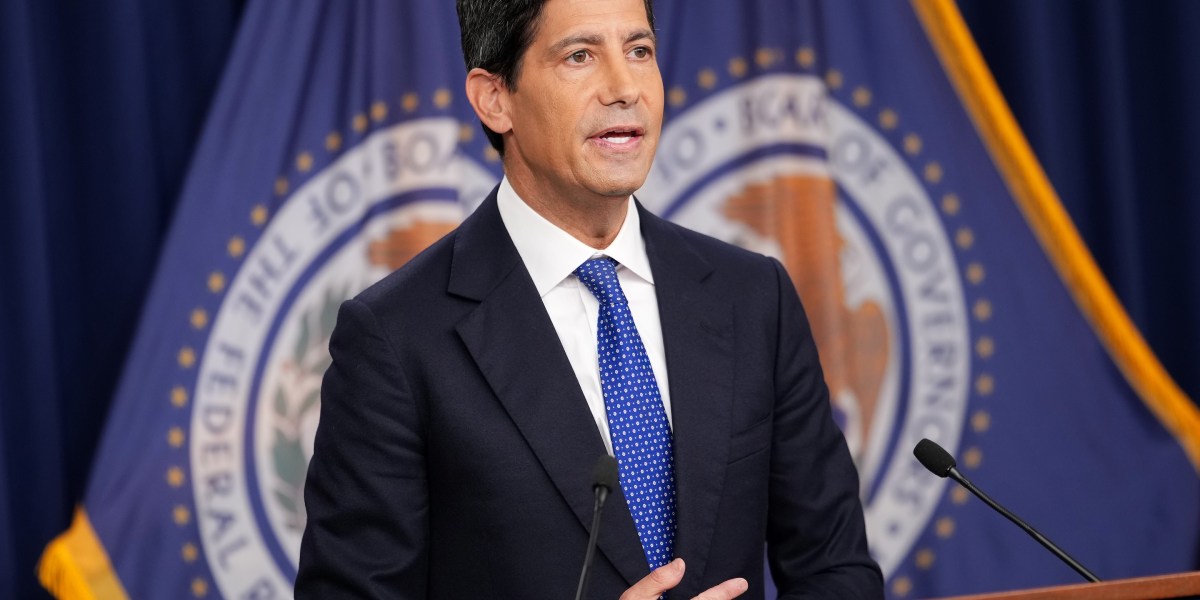
The Federal Reserve voted unanimously to raise its benchmark rate a quarter point to 3.75%-4%, the first hike since July 2023 and the first policy move under new Chair Kevin Warsh. The decision puts Warsh at odds with President Trump, who has pushed for rate cuts.
More hikes expected before year-end
Fed projections show the median federal funds rate ending 2026 at 4.1%, up from 3.8% in June, pointing to at least one more hike before year-end. Officials cite tariffs, energy shocks, and surging AI-related capital spending as inflation drivers.
Floating-rate debt gets expensive immediately
Any floating-rate credit lines or term loans just became more expensive. But CFOs shouldn't treat this as an isolated event. When the Fed starts hiking, it's typically the beginning of an entire cycle, with markets already pricing in additional increases.
“Usually, when the Fed starts to hike their interest rates, it's the beginning of an entire cycle.”
Test funding and production costs together
CFOs should stress-test funding costs and production costs as a joint scenario. Higher energy prices push up both inflation and input costs for oil-reliant companies. Firms may need more liquidity just as it gets pricier to hold, while production costs climb too.
“It'll be good to test for joint scenarios.”
Long-term borrowing costs rising sharply
Corporate bonds are benchmarked to long-term Treasury yields. The 10-year and 30-year yields have both risen sharply, meaning CFOs face higher costs on new issuance or refinancing across the entire maturity spectrum.
Debt sustainability concerns add pressure
Concerns about U.S. debt sustainability were already pushing Treasury yields to multi-year highs before this week's meeting. The hike could reassure markets the Fed will act against inflation, or confirm inflation is entrenched, amplifying yield pressure from debt worries.
“It's just a very nervous time in markets.”
Dollar caught between competing pressures
The dollar is caught between inflation concerns and debt concerns pulling in opposite directions. This backdrop creates uncertainty about whether the rate hike will reassure markets or amplify existing yield pressure.
The key point
This is the start of a multi-hike cycle, not an isolated event. CFOs should stress-test funding and production costs together, and prepare for higher borrowing costs across all maturities.